
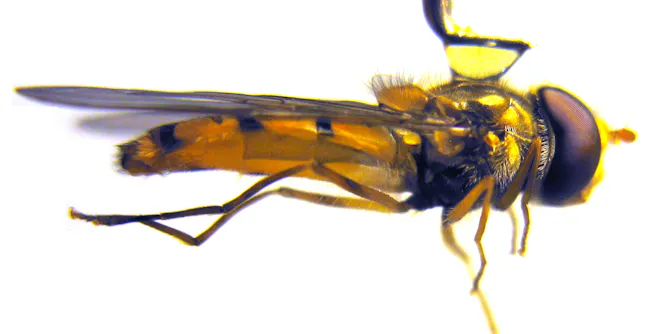
New research shows how hoverflies adapt so they can migrate extremely long distances.
Articles on Animal behaviour
Displaying 41 - 60 of 252 articles
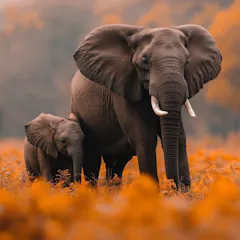
Like big, tall trees in old-growth forests, older animals are irreplaceable. Pulling them out leaves the ecosystem less resilient to future shocks. It’s time for ‘longevity conservation’ measures.
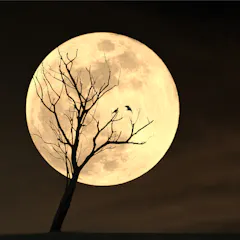
New technology is allowing scientists to discover unexpected behaviour linked to the Moon’s cycle.
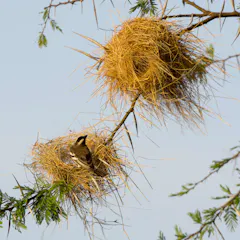
Birds’ building behaviour and the shape of the structures might be the result of social interactions.
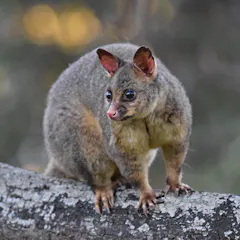
In Australia, people tend to think carnivores lead the clean-up crew after an animal dies. But brushtail possums – thought to be plant-eaters – also eat carcasses.
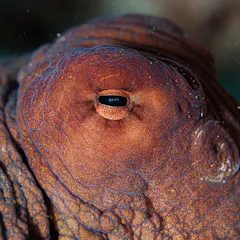
Scientists thought fish might simply be freeloading off the hard work of a hunting octopus. Now, it looks like it’s a true team effort.
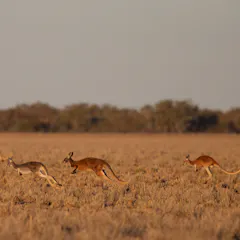
Have you ever paused to think about the athletic abilities of Australian wildlife? Let’s look at some of our best competitors and how might they fare in a contest against humans and overseas entrants.
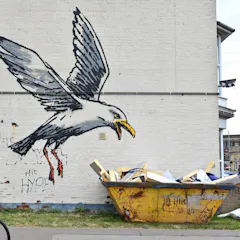
Seagulls have an innate preference for fish and mussels rather than your chips, research shows.
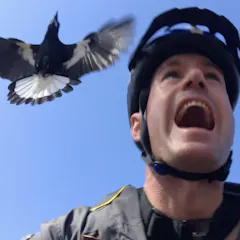
Springtime in Australia and New Zealand means one thing: it’s swooping season.

Many of the endangered mammal species are solitary. Understanding this way of life may help to protect them.
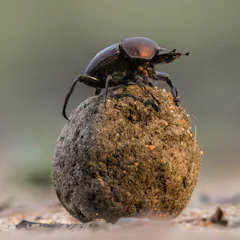
Some of the most caring animal fathers are insects.
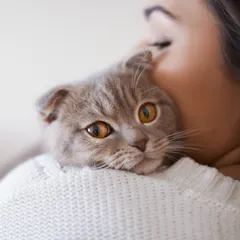
The evolutionary reason it’s so difficult to ignore a cat pleading for food.
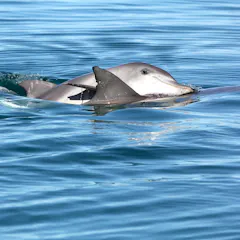
For dolphins, childish play may be useful practice for adult life.
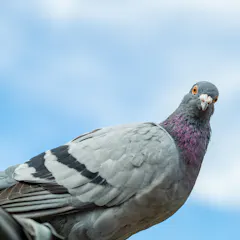
A scientist who wanted to show pigeons don’t need intellect to navigate was surprised by nuances in his own study findings.
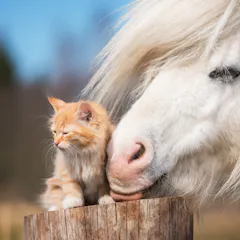
For most people, there’s a strong ‘awe’ factor when witnessing inter-species bonding. What is it about our own psychology that prompts this?
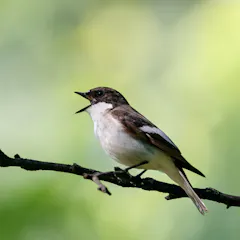
It may not be obvious to the human ear but birds of the same species sing in different dialects.

Pets’ bad behaviour can place owners under a lot of strain, research shows.
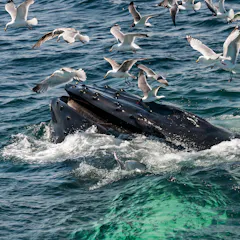
It’s certainly an exciting time to study communication in whales and dolphins.
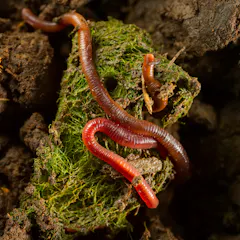
And why earthworms are careful to select a mate of the same size as themselves.
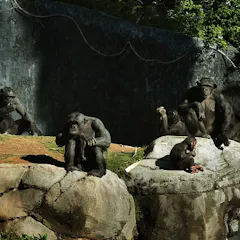
Zoo-based research can teach us about the needs of animals in our care.
Top contributors
-

Associate Professor, School of Animal and Veterinary Science, Adelaide University
-
Senior Lecturer in Animal Science, Nottingham Trent University
-
Professor, School of Veterinary Science, University of Sydney
-
Principal Lecturer in Wildlife Conservation, Nottingham Trent University
-
Professor of Wildlife Conservation, University of Salford
-
Lecturer in Wildlife Conservation
-
Asso. Professor in Anthropology, University College London, UCL
-
Research fellow, Environmental Futures Research Institute, Griffith University; Estación Biológica de Doñana (EBD-CSIC)
-
Royal Society Dorothy Hodgkin Research Fellow, University of Exeter
-
Researcher, School of Animal and Veterinary Science, Adelaide University
-
Associate Professor, Centre for Ecology and Conservation, University of Exeter
-
Reader in Biology, University of St Andrews
-
Postdoctoral Researcher in Veterinary Science, University of Sydney
-
Lecturer in Animal Behaviour and Welfare, School of Psychology, Queen's University Belfast
-
Senior Lecturer, Sydney School of Veterinary Science, University of Sydney