
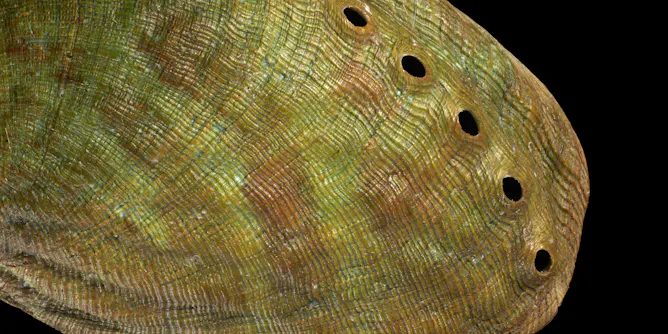
The discovery of the Manawatāwhi pāua, unique to the Three Kings Islands, highlights the need to build taxonomic expertise to speed up work to describe thousands of as-yet unnamed species.
Articles on Ancient DNA
Displaying 21 - 40 of 73 articles
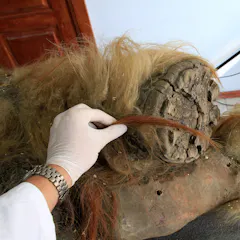
Thousands of years ago, a woolly mammoth died in Siberia. Its fragile DNA underwent a remarkable transformation, and we can still analyse it today.
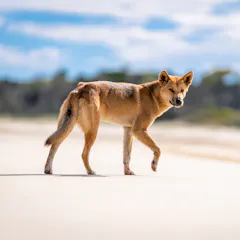
Dingo DNA study reveals an ancient population split and surprisingly recent links to New Guinea singing dogs.
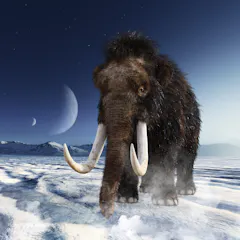
Scientists have long wondered if the wooly mammoth went extinct due to high levels of inbreeding.
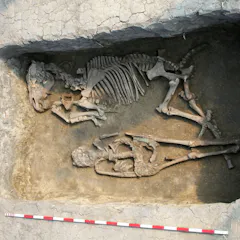
The Avars dominated southeastern central Europe for hundreds of years, leaving one of the richest archaeological heritages in Europe. Now scientists are using DNA to reveal details of their societies.

Genealogical and genetic ancestors aren’t the same thing. A DNA match − or a lack of one − may not tell you what you imagine it does about your family tree.

Beyond the tombs and riches, life in ancient Egypt wasn’t so luxurious, after all.

After sifting through DNA from almost 10,000 people from ancient and pre-modern societies, we have discovered six cases of Down syndrome in past human populations.
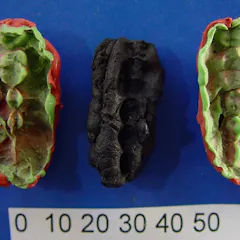
Genetic analysis reveals one of the teenagers probably had advanced gum disease.

Dogs have lived with Indigenous Americans since before they came to the continent together 10,000 years ago. A new analysis reveals the lineage of one 1800s ‘woolly dog’ from the Pacific Northwest.

Maui officials have asked relatives to provide DNA samples to help identify victims of the Lahaina wildfires. Time and exposure to the elements, however, can make DNA retrieval from remains difficult.
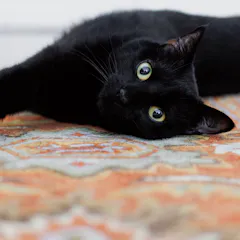
Natural selection changed just 13 genes to separate your Felix and Fluffy from their African wildcat ancestor.
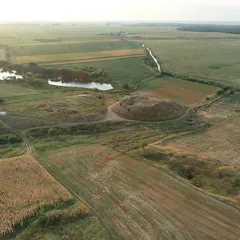
Ancient DNA from Ukraine uncovers the earliest evidence of the arrival of the ‘steppe ancestry’ – the last piece of the modern Western European genetic puzzle.

Ancient microbes likely produced natural products their descendants today do not. Tapping into this lost chemical diversity could offer a potential source of new drugs.
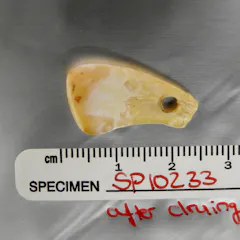
A way to recover the owner’s DNA from ancient artefacts will help archaeologists understand past societies in more detail than ever before.
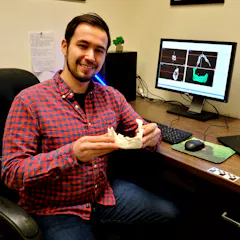
Scientists had figured a fossil found in Spain more than a century ago was from a Neandertal. But a new analysis suggests it could be from a lost lineage of our species, Homo sapiens.

The first ancient DNA sequences from peoples of the medieval Swahili civilization push aside colonialist stories and reveal genetic connections from the past.
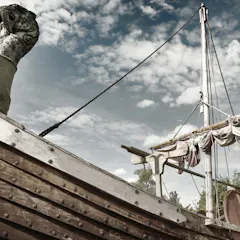
DNA analysis reveals a large migration of people into Scandinavia during Viking times.

Humanity carries traces of other populations in our DNA – and a new study shows how one of these ancestors has influenced the immune systems of modern Papuans.
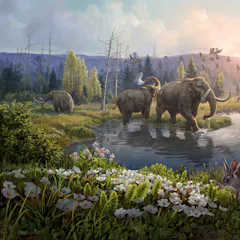
DNA frozen for 2 million years paints a picture of an extinct ecosystem.
Top contributors
-

Associate Professor in Ancient DNA, University of Otago
-
Associate Professor of Anthropology, Rice University
-
Curator of Human Evolution of the Cleveland Museum of Natural History and Research Assistant Professor of Anthropology, Stony Brook University (The State University of New York)
-
Postdoctoral Fellow, Department of Zoology, University of Otago
-
Mathematician and Ancient DNA Researcher, Adelaide University
-
Postdoctoral Research Fellow in Geology and Geophysics, University of Utah
-
Professor in Molecular Archaeology, Department of Archaeology and Classical Studies, Stockholm University
-
Associate Professor of Archaeology, Griffith University
-
Research scientist, Griffith University
-
Professor of Genetics and of Human Evolutionary Biology, Harvard University
-
Professor with Research Focus in Stone Age Archaeology, Palaeo-Research Institute, University of Johannesburg
-
Senior research fellow, Queensland University of Technology
-
Postdoctoral Researcher, Swansea University
-
Associate Professor of Population and Statistical Genetics, Hebrew University of Jerusalem
-
Postdoctoral Research Fellow, Genetics, School of Archaeology, University of Oxford