

Environmental DNA contained in a small sample of water, sand or even air can reveal the presence of people, wildlife and pathogens, helping researchers track where they’ve migrated.
Articles on One Health
Displaying 1 - 20 of 53 articles

Thinking about how and where your cat roams outdoors can help safeguard biodiversity, feline and wildlife welfare and public health.
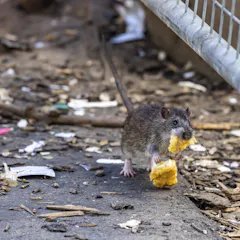
Weak surveillance and climate change could allow deadly hantaviruses to spread unnoticed across African countries, raising the risk of future outbreaks.

The hantavirus outbreak that began on a cruise ship is a reminder of something we keep having to relearn: When humans push into ecosystems they don’t normally inhabit, they are exposed to viruses.
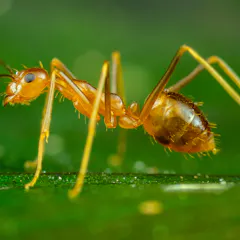
Biological invasions can severely harm the welfare of animals, causing them to suffer. AWICIS is a new framework that can be used to assess the severity of these impacts.
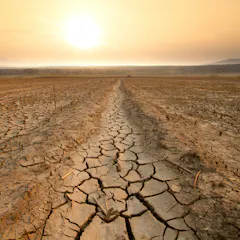
New research suggests drought-parched soil turbocharges antibiotic resistance in nature, and with UK summers getting drier, that’s a growing problem.
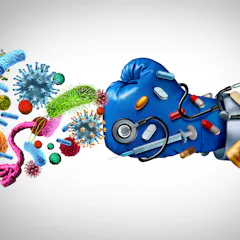
Antibiotics transformed health care for the better, but their diminishing effectiveness may soon be its undoing. Researchers are studying ways to fight back against resistance.

Marine biodiversity underpins human health such as at Porthdinllaen in north wales where seagrass is part of a marine social ecological system.
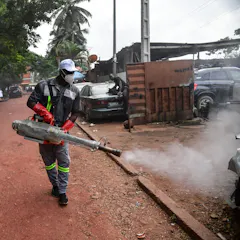
Climate-caused heat and floods help disease-carrying insects spread to new places.
Most antibiotic resistance research comes from high-income countries but the greatest threats are elsewhere. This inequality is shaping the future of global health.
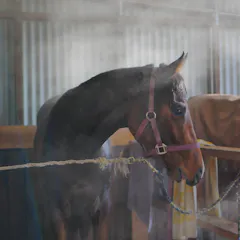
When elite athletes collapse, it makes headlines. But the same thing happens to racehorses far more often – and studying them could help save human lives.
The pace of investment to manage diseases transmissible from animals to humans is dangerously slow.
Scientists have described antimicrobial resistance as an overlooked pandemic. Improving surveillance can help prevent deadly outbreaks.
We have learned some lessons, but five years on, our healthcare and information services are still vulnerable.
A recent study has generated alarming headlines, but it’s been unhelpfully exaggerated in the news.
The UK has bought 5 million doses of a vaccine to protect against bird flu.
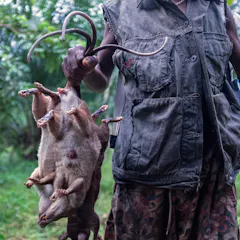
Strategies to beat a disease outbreak like mpox must start with the root causes.

Without a national One Health plan, Canada is vulnerable to threats from worsening climate change, accelerating biodiversity loss, pandemics and superbugs.
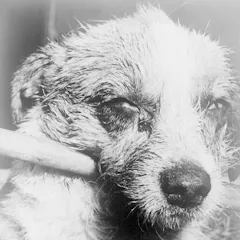
Two rabies epidemics in animals spurred a state health emergency in Texas and a program that oversees annual mass wildlife vaccination. Millions of doses have been distributed since the ‘90s.

World leaders, civil society and global health researchers will convene at the United Nations General Assembly for arguably the most important meeting on antimicrobial resistance (AMR) this decade.
Top contributors
-

Assistant Professor, Faculty of Health Sciences; Senior Scientist, Pacific Institute on Pathogens, Pandemics and Society, Simon Fraser University
-
Distinguished Professor, University of Otago
-
Catedrático de Microbiología. Miembro de la Sociedad Española de Microbiología (SEM), Universidad de Navarra
-
Head Scientific Research Support, Stellenbosch University
-
Director of the Centre for Epidemic Response and Innovation (CERI) at Stellenbosch University and the KwaZulu-Natal Research Innovation and Sequencing Plaform (KRISP)., Stellenbosch University
-
Head: Media and Science Communication (CERI), Stellenbosch University
-
Biologiste, Immunologiste. Directeur de recherches au FNRS, Université Libre de Bruxelles (ULB)
-
Postdoctoral Fellow, Faculty of Health Sciences, Simon Fraser University
-
PhD Student in Biochemistry and Biomedical Sciences, McMaster University
-
Group Leader, KEMRI-Wellcome Trust Research Programme, Kenya; Associate Professor, Centre for Tropical Medicine & Global Health, University of Oxford
-
Professor of Microbiology, University of Tromsø
-
Professor of Immunology and Associate Dean, Research and Graduate Studies, University of Guelph
-
Associate professor, College of Law, University of Saskatchewan
-
Professor of Biochemistry and Biomedical Sciences, McMaster University
-
Canada Research Chair and Full Professor, Epidemiology and One Health, Université de Montréal