
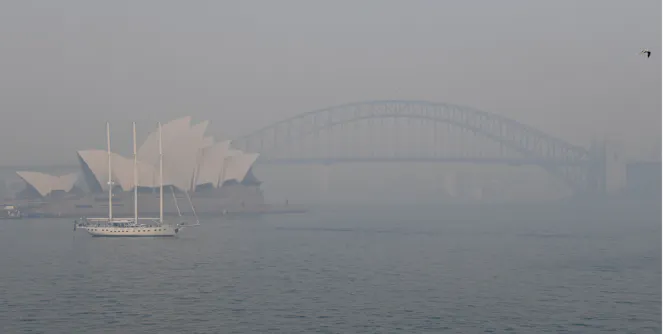
The haze now engulfing Sydney isn’t an isolated problem. Cities around the world struggle to manage the many sources of tiny airborne particles and the discomfort and illnesses these cause.
Articles on Air pollution
Displaying 281 - 300 of 497 articles
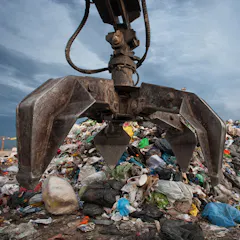
Waste-to-energy incineration has been raised as a solution to the global plastic waste problem, but the technology adds pollution and greenhouse gas emissions and encourages more waste production.
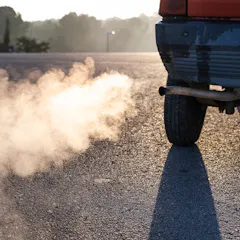
Scientists who were appointed to advise the EPA on air pollution kept meeting independently after the agency dissolved their panel. They say current regulations aren’t strict enough.
The costs, and the pain, of climate change only increase the longer we wait to act.
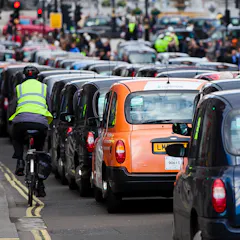
Taxi drivers are exposed to twice the level of pollution compared to other drivers.
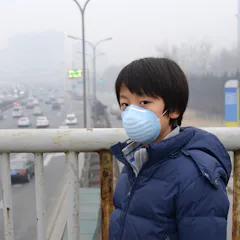
Investigation of the brains of children and young adults who died suddenly in Mexico City revealed amyloid plaques similar to those found in the brains of people with Alzheimer’s disease.

The Spanish city is remaking urban neighbourhoods by limiting through traffic in superblocks that give priority to pedestrians and street activities, not cars.

The ‘superblocks’ are expected to have massive benefits for health and well-being – but it takes good governance.
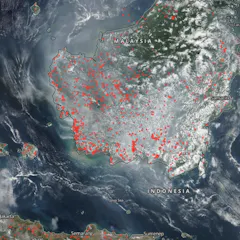
We have developed an online tool to help authorities identify which areas they should focus on for reducing forest fires and haze in order to maximize overall health benefits.

Despite the overwhelming evidence that electric vehicle technology can deliver huge benefits, misinformation continues to muddy debate. Let’s look at the facts.
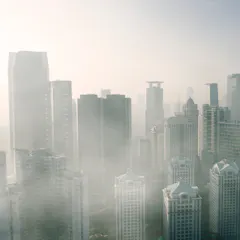
The Ministry of Environment and Forestry insists the air quality is still “moderate with no health effect”. Other data show the city’s air is filthy.
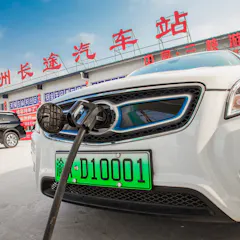
China wages ‘war on air pollution’, but turning away from fossil fuels towards natural gas has its challenges.
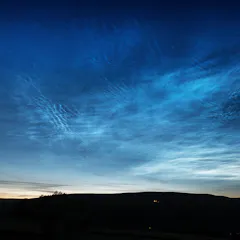
‘Night-shining’ clouds normally found above the poles have now been seen as far south as Los Angeles.
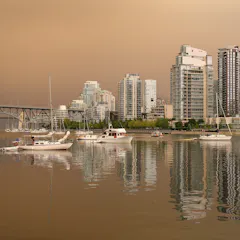
From heat stroke to asthma to lyme disease, climate change already poses a serious health risk.

Every year the US burns more than 34 million tons of garbage in incinerators. These plants are major pollution sources, and most are clustered in disadvantaged communities.
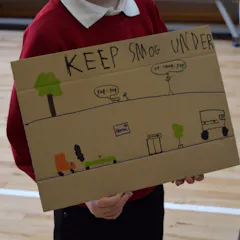
Children are the future, so why don’t we listen to them more often?

The dangers of outdoor air pollution are now well known, but those related to the air we breathe at homes and at work are much less so, according to an international study.
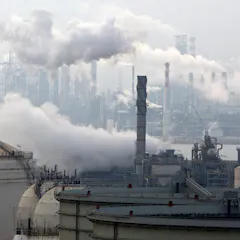
Global CFC-11 levels were rising and no one knew why. Scientists turned detective to pinpoint the source.

Leaving your car running will marginally increase CO2 emissions, but it may massively reduce exposure to the toxic gases and particulates that are shortening thousands of lives.
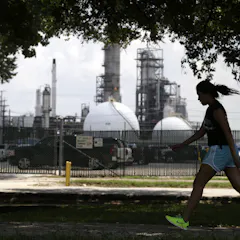
Air quality in the US has improved greatly since 1990, but a new report finds progress stalling in some cities. Meanwhile, the Trump administration is rolling back air pollution controls.
Top contributors
-

Professor of Atmospheric Chemistry at the National Centre for Atmospheric Science, University of York
-
Professor & Chair in Air Quality and Health; Founding Director, Global Centre for Clean Air Research (GCARE), Co-Director, Institute for Sustainability, University of Surrey, University of Surrey
-
Professor of Environmental Health Sciences, UMass Amherst
-
Emeritus Professor of Environmental Science, University of Essex
-
Senior Research Fellow at the Stockholm Environment Institute, University of York
-
Associate Professor, University of Pretoria
-
Emeritus Professor of Medicine, Adelaide University
-
Professor, University of Pretoria
-
Professor and Chair, Department of Environmental Health, Boston University
-
Professor of Statistics, Queensland University of Technology
-
Senior Research Fellow, Woolcock Institute of Medical Research, Macquarie University and the South West Sydney Clinical School, UNSW Sydney. Affiliate, Centre for Safe Air., UNSW
-
Professor of Atmospheric Science, University of Birmingham
-
Honorary Professor, School of Natural Sciences, Macquarie University
-
Conjoint Professor, School of Population Health, UNSW
-
Researcher, The University of Queensland