
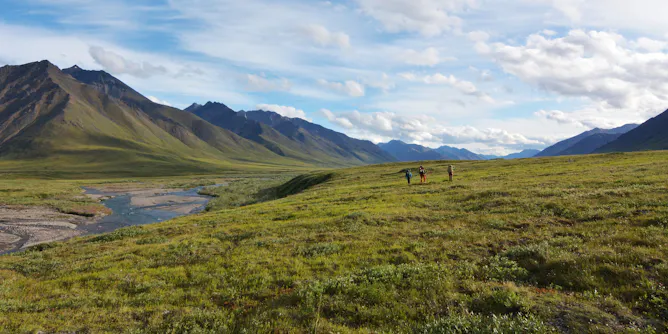
How do mercury emissions from industrialized countries reach the remote Arctic? Recent research shows that plants on the tundra absorb mercury vapor through their leaves, then pass it into soil.
Articles on Air pollution
Displaying 361 - 380 of 497 articles
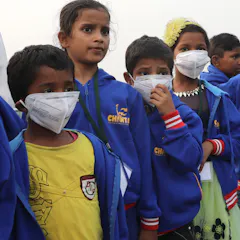
Winter has once again brought severe air pollution to the Indian capital.
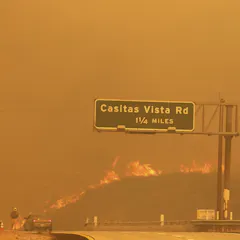
Intense wildfires in southern California are triggering air quality alerts. Health experts know surprisingly little about how inhaling smoke affects human health, especially over the long term.

Mercury levels in seabirds living off the coast of British Columbia have been stable in recent years. New research suggests that this may be due to changes in their diet, not pollution control.
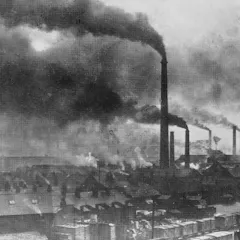
Researchers have found a way to measure the impact of air pollution during 19th-century England on the public’s health.
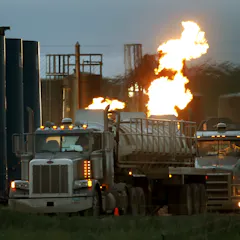
The fracking boom has led to a large increase of hydrocarbon emissions in rural areas, reversing some regional air toxics trends.
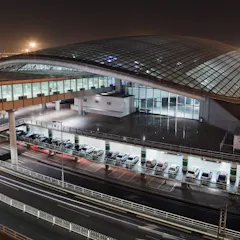
Airports are caught in a bind, relying on income from parking fees but under pressure to make sure fewer passengers pay them. Vote with your wallet.
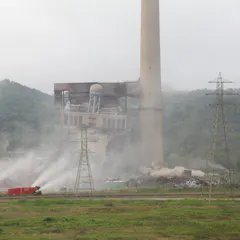
Energy Secretary Rick Perry has proposed to reward coal plants for stockpiling fuel onsite – allegedly making the power system more reliable. Two economists give this idea a failing grade.

For the first time research has shown that mercury released in the northern hemisphere ends up in Australia’s tropics.
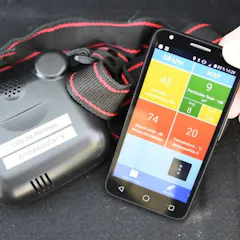
The use of small devices to measure the presence of fine particles in the air is becoming widespread. They’re one more weapon to fight against air pollution, but questions remain on their reliability.
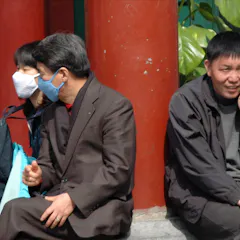
In recent years the number of motor vehicles – and the pollution they generate – has grown astronomically, leading some citydwellers to wear facemasks in the hopes of protecting themselves. So do they work?
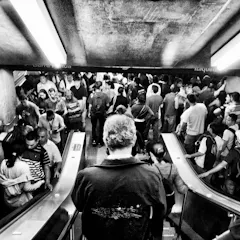
Subways seem like the perfect solution to improve air quality in cities. But what about air quality underground?
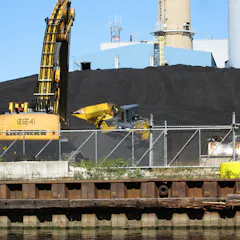
A recent study shows that large piles of coal produce measurable quantities of fine particulate air pollution within a 25-mile radius. Covering coal trains and storage piles could reduce the problem.

The estimated economic value of minimising the damage to public health has been reduced by 80 percent.
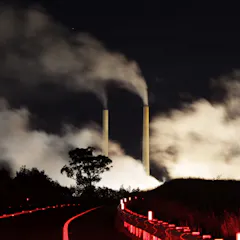
Australia is the 16th-largest emitter of mercury in the world. A huge amount comes from coal power stations – and a new report argues our pollution guidelines are hopelessly lax.
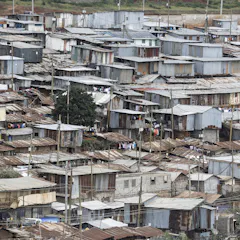
Research in Kenya’s capital found average levels of hazardous solid and liquid particles in the air within households were three times more than the WHO recommended maximum level.

A new study suggests climate change will cause changes to patterns of ground-level ozone and smog – two deadly pollutants set to increase deaths by about 260,000 worldwide by the end of the century.
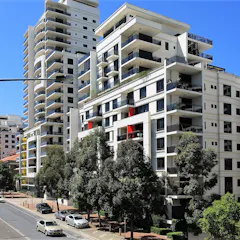
Many new housing developments are being built along busy roads and rail lines, but lack design features that would reduce occupants’ exposure to harmful traffic pollution.

As the latest controversy about tunnel exhaust stacks and respiratory health plays out in the media, some community members are proposing solutions that just don’t make sense.
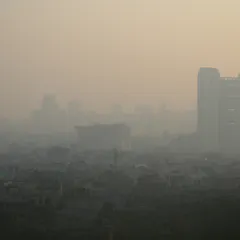
In November 2016, smog in New Delhi was 16 times above safe levels. An Indian researcher dug into the data to find out why, and how India can keep its capital breathing safely.
Top contributors
-

Professor of Atmospheric Chemistry at the National Centre for Atmospheric Science, University of York
-
Professor & Chair in Air Quality and Health; Founding Director, Global Centre for Clean Air Research (GCARE), Co-Director, Institute for Sustainability, University of Surrey, University of Surrey
-
Professor of Environmental Health Sciences, UMass Amherst
-
Emeritus Professor of Environmental Science, University of Essex
-
Senior Research Fellow at the Stockholm Environment Institute, University of York
-
Associate Professor, University of Pretoria
-
Emeritus Professor of Medicine, Adelaide University
-
Professor, University of Pretoria
-
Professor and Chair, Department of Environmental Health, Boston University
-
Professor of Statistics, Queensland University of Technology
-
Senior Research Fellow, Woolcock Institute of Medical Research, Macquarie University and the South West Sydney Clinical School, UNSW Sydney. Affiliate, Centre for Safe Air., UNSW
-
Professor of Atmospheric Science, University of Birmingham
-
Honorary Professor, School of Natural Sciences, Macquarie University
-
Conjoint Professor, School of Population Health, UNSW
-
Researcher, The University of Queensland