

Plants can help homes stay cooler in a variety of ways.
Articles on Air conditioning
Displaying 1 - 20 of 87 articles

More northern Europeans are thinking about adding air conditioning. But there’s a lot to consider before making a decision.

Canals can provide cooling corridors in cities, a study shows.
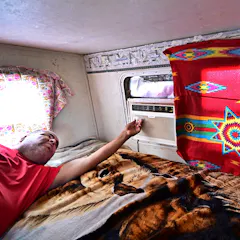
There is no single thermostat setting that is right for every person or every home. And there are other easy, low-cost steps that can help keep everyone comfortable when hot weather sets in.

An estimated 8 million handheld fans will be purchased in the UK in 2026. Many will end up as discarded electrical waste.
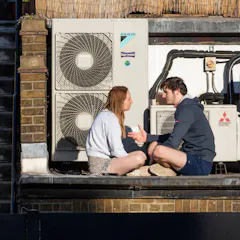
About 4% of UK homes have air conditioning, concentrated in wealthier households.
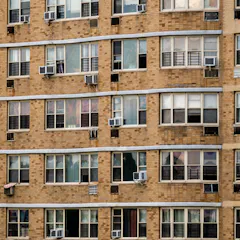
Permanently installing a heat pump system in a building is expensive. But new window units can deliver many of the benefits with far less cost and go with renters when they move.

Some parts of the world are warming far faster than other, but even within the same city some neighbourhoods are exposed and suffer more than others.
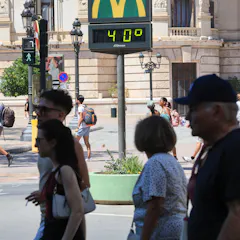
Governments need to open cool buildings in heatwaves, as part of a wider set of additional responses, research shows.
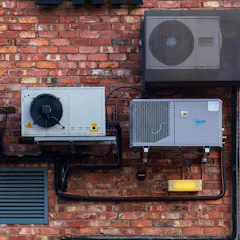
There are many ways to cool down – or avoid getting hot in the first place.
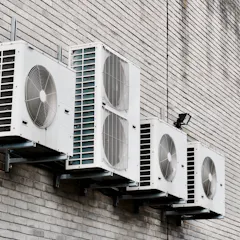
The UK faces a choice: lock into energy-hungry cooling, or redesign homes, streets and routines to stay cool naturally.

Poorly maintained AC units can harbour numerous infectious microbes.
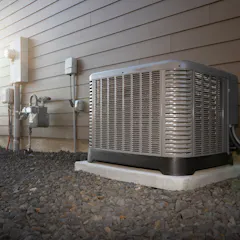
Rather than feeling guilty about cooling down in extreme heat, homeowners could boost power reliability and lay a welcome mat for more renewables.

Double-glazing keeps homes at pleasant temperatures without much need for heating or cooling. But history and cost mean they’re rare in Australia.
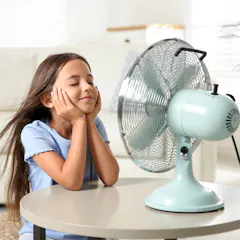
Use electric fans as your first cooling strategy, and only turn on the aircon when the indoor temperature exceeds 27°C.

We examined how households in Victoria cope with, adapt to and endure summer heatwaves. Most took a short-term view. A more sophisticated, long-term approach to managing heatwaves is needed.

Heat-related deaths are increasing. People at greatest risk in extreme heat include older people, those with chronic conditions and those without air conditioning.

Global temperatures have averaged at least 1.5 degrees Celsius warmer than preindustrial times for over a year. Two scientists explain what that means and what humanity can do.

The June heat wave triggered warnings of a flash drought and caused a surge in ER visits. Many other countries have been facing extreme heat at the same time.

Older adults face greater health risks from extreme heat for several reasons, including their medications..
Top contributors
-

Professor, Emerging Technologies Research Lab, Monash University, Monash University
-
Associate Professor, Smith School of Enterprise and Environment, University of Oxford
-
Professor, Centre for Urban Research, School of Global, Urban and Social Studies, RMIT University
-
Research Fellow, Centre for Urban Research, RMIT University
-
Senior Research Associate, Department of Engineering Science, University of Oxford
-
Professor of Geography, University of Wollongong
-
Professor of Meteorology, UMass Lowell
-
Professor of Atmospheric Science, Colorado State University
-
Senior lecturer, Griffith University
-
Professor, Social Design, Faculty of Design and Society, University of Technology Sydney
-
University of Oxford
-
Senior Lecturer - Energy, Queensland University of Technology
-
Energy Advisor, formerly, The University of Melbourne
-
Professor of Climate Science, UMass Lowell
-
Senior Researcher and College Lecturer in Engineering, University of Oxford