
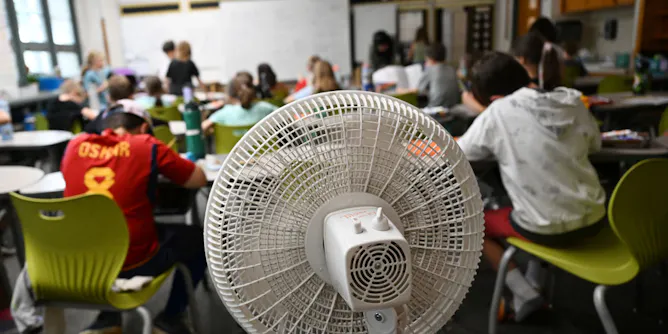
Mold spores, 90-degree classrooms and aging pipes: An environmental health expert explains why Pennsylvania’s old schools are harder on kids than adults.
Articles on Heat wave
Displaying 1 - 20 of 225 articles
Wildland firefighters face heat from the environment, the fire and their own bodies as they work long, exhausting hours. The head of Purdue’s fire lab explains the health risks and what can help.
Energy is meant to improve people’s lives. Often cost prevents residents from making the most of that opportunity, so they cut back on energy use to be able to pay the bills.
The success of green roofs depends on more than just good intentions and engineering – they need long-term love and care.
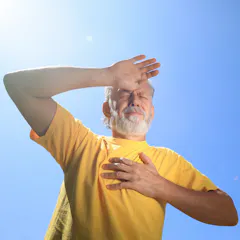
Heat exhaustion and heatstroke can both happen when the body overheats, but they are not the same. Here’s how to spot the difference and what to do.
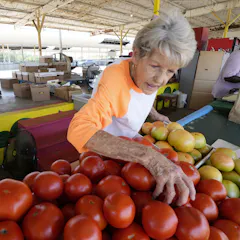
Chronic pain can make it hard to walk, carry groceries or sleep through the night. A new study finds that extreme temperatures are linked to that kind of pain.
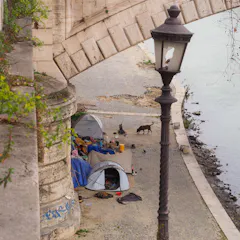
Homeless people are at higher risk of various health problems.
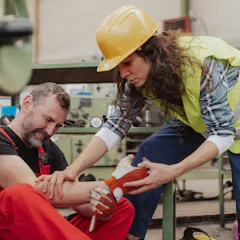
High temperatures raise the risk of everyday workplace injuries, yet Canada still has no common standard to protect workers from extreme heat.
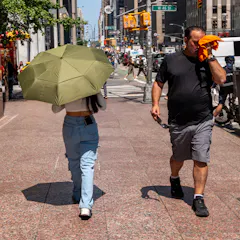
A National Academy of Sciences report examined the latest advances in extreme event attribution science. As four of the authors explain, the type of disaster makes a difference.
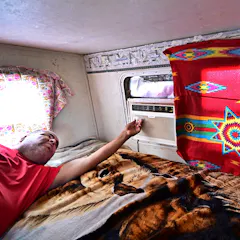
There is no single thermostat setting that is right for every person or every home. And there are other easy, low-cost steps that can help keep everyone comfortable when hot weather sets in.
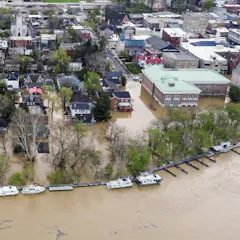
What communities and businesses really need is information they can act on, with examples of what’s worked elsewhere and why – and what fails.
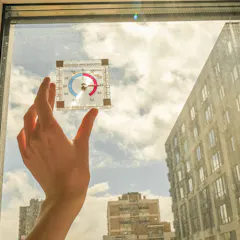
This summer’s heat deaths weren’t random. Poor, badly insulated homes are a public health hazard in summer as well as winter.
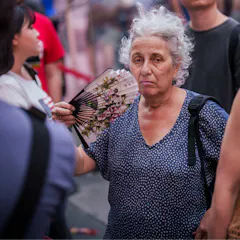
A public health researcher explains the signs to watch for that someone is developing heat exhaustion or heat stroke, and what to do.
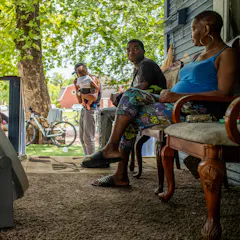
Heat waves can be dangerous, and the conditions indoors can be worse than outdoors. A study of all the single-family homes in Austin, Texas, shows why.

Heatwaves can damage hearts, kidneys, lungs and infrastructure.
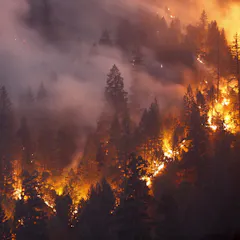
Heat waves do more than dry out vegetation that can easily burn. They also play a role in lightning strikes, particularly dry lightning.

As the UK gets hotter, children will seek water to cool down. The real question is why so many have so few places to go.
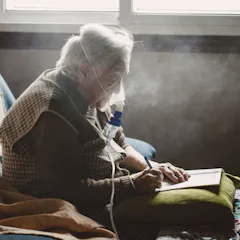
Premature deaths rise during long-term blackouts, and ERs fill up. Knowing who is at risk and some creative solutions can help.
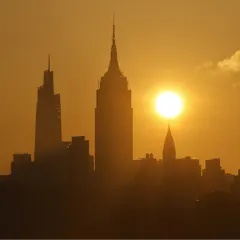
Solar cycles, sea ice and rising electricity use all play a role. So does an unhealthy surprise that has been quietly hiding a large amount of global warming – until now.
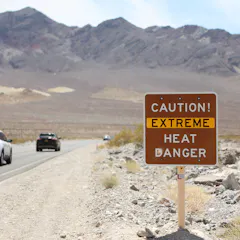
Climate change is making people sicker and more vulnerable to disease, doctors and scientists explain. Erasing the federal endangerment finding increases the risk.
Top contributors
-

Professor of Geology and Environmental Geosciences, University of Dayton
-
Deputy Director, Engagement and Impact, The ARC Centre of Excellence for the Weather of the 21st Century, Australian National University
-
Distinguished Scholar, National Center for Atmospheric Research; Affiliate Faculty, University of Auckland, Waipapa Taumata Rau
-
Honorary Associate Professor in Environmental Health, Australian National University
-
Professor of Atmospheric Science, Colorado State University
-
Professor of Climate Science, UMass Lowell
-
Professor of Physical Geography, University of the Witwatersrand
-
Assistant Professor of Architecture, University at Buffalo
-
Senior Lecturer of Physical Geography and GIS, University of the Free State
-
Climate scientist, Australian Bureau of Meteorology
-
ARC DECRA Fellow, UNSW
-
Climate Scientist, Australian Bureau of Meteorology
-
Associate Professor of Civil Engineering, Boise State University; United Nations University
-
ARC Future Fellow and Associate Professor in Climate Science, ARC Centre of Excellence for 21st Century Weather, The University of Melbourne
-
Climate Scientist, Australian Bureau of Meteorology