
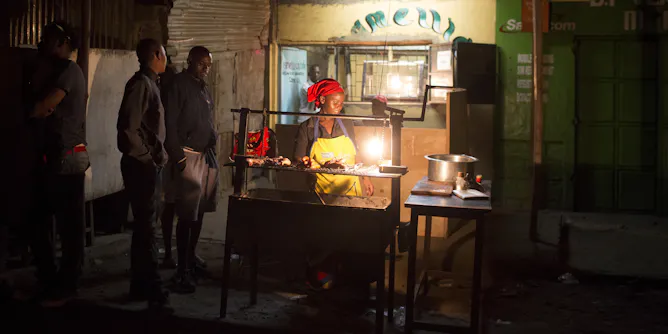
Non-communicable diseases are skyrocketing in Kenya and Uganda. Though the countries’ governments have a responsibility to tackle the problem, individuals need to take action too.
Articles on African health
Displaying 21 - 40 of 50 articles
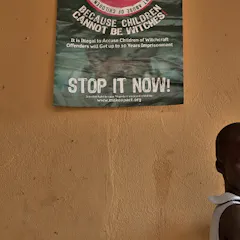
In many parts of Nigeria, children are branded as witches and suffer abuse and even abandonment. Religion and poverty are thought to play a role.
Hand, foot and mouth disease may not be a public health priority, but parents and caregivers at day-care centres should still be careful about its spread.
Plague, one of the deadliest diseases in the world, has been reported in several African countries in the past decade.
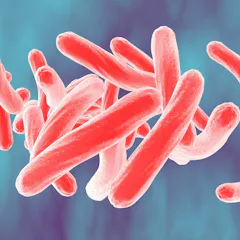
Understanding what causes diseases is a life-and-death matter. It is a complicated issue that has generated a great deal of debate in the medical community.
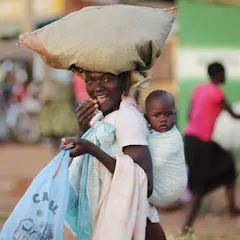
For most women, participating in the labour force is dependent on whether they have adequate child care they can rely on.

Doctors in South Africa have not been doing enough counselling of people who drink, smoke, don’t exercise and eat badly on ways to change their lifestyles.

Vasectomies could be an effective male birth control method in Africa but the procedure is misunderstood and therefore poorly used.
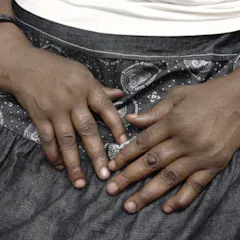
People who have rheumatoid arthritis often suffer from depression as well. For poor people this is often worse because they cut off their social networks.
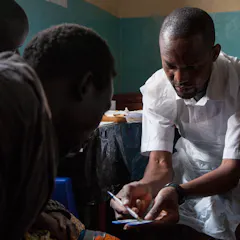
In sub-Saharan Africa more women may be infected with HIV than men - but men are more likely to die because of poor testing and treatment regimes.
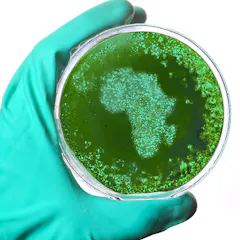
With limited laboratory capacity and a lack of experts and funding, an outbreak of the Zika virus in Africa could be problematic.
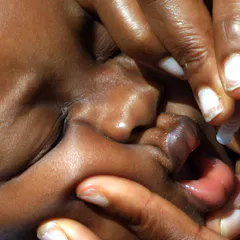
Despite Nigeria’s success in eradicating polio, it is struggling to get a grip on mother and child vaccinations.

The closure of several mines in South Africa and production cuts could have a detrimental impact on the health of miners who rely on in-house HIV and TB treatment programmes.

Newly appointed Nigerian Health Minister Isaac Adewole is focused on providing primary healthcare services.

It’s impossible to think about maternal health in Ethiopia without thinking about the time and distance between where rural women live and where the government constructs health facilities.
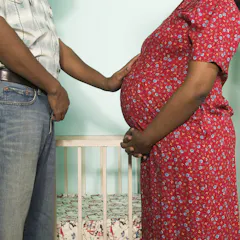
When men deny the paternity of children, many South African women feel like they have no recourse. Making DNA tests affordable and accessible could change this.
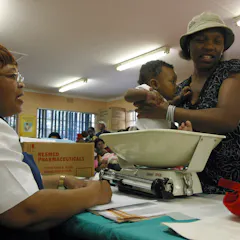
South Africa’s plan for universal health coverage has taken another crucial step with the introduction of a new policy document aimed at delivering more equitable healthcare.
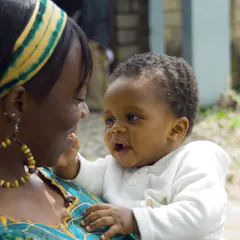
South Africa’s programmes preventing HIV transmission from mothers to children have been hugely successful. But there are still gaps that need to be filled.
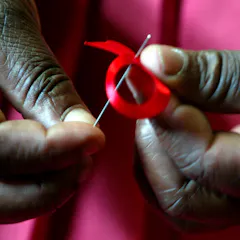
Women who were found to have lied in a clinical trial testing anti-HIV drugs were heavily criticised. But there are several factors that drove them to lie.

Scientists are developing various products that can provide contraception and protection from sexually transmitted infections and HIV at the same time.
Top contributors
-

Rheumatologist, University of Cape Town
-
Board Certified Internal Medicine Physician and Public Health Scientist, MidMichigan Health, University of Michigan
-
Research Fellow of International Development, Deakin University
-
Professor of Epidemiology and Public Health, University of Malawi
-
Clinical Senior Research Associate, MRC Epidemiology Unit, University of Cambridge
-
Professor-at-large, School of Public Health, University of the Witwatersrand
-
Research Fellow/Research Uptake Officer of the Health Policy Research Group, University of Nigeria
-
Professor and Programme Director, SA MRC Centre for Health Economics and Decision Science - PRICELESS SA (Priority Cost Effective Lessons in Systems Strengthening South Africa), University of the Witwatersrand
-
Research Fellow at Monash University, Monash University
-
Professor Emerita, Department of Sociology, University of Pennsylvania
-
PhD Student, Cardiff Metropolitan University
-
Extraordinary Professor, Global Health, Stellenbosch University; South African Medical Research Council
-
Executive Director of the Wits Reproductive Health and HIV Institute, University of the Witwatersrand
-
MA in Social and Psychological research by coursework
-
Distinguished Professor, DST-NRF Centre of Excellence in Human Development, University of the Witwatersrand