

As climate crises deepen, Africa must turn its hard-won experience and local knowledge into global leadership on climate, health, food systems and clean energy.
Articles on Africa Day
Displaying 1 - 20 of 53 articles
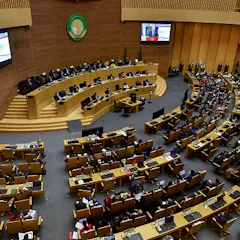
Despite the benefits that could come from integration, many African countries remain wary of the process.

Nigeria’s pre-eminent position in Africa, lost to corruption and political patronage over the years, can be regained by putting its house in order.
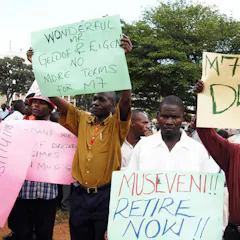
Trouble in Africa’s cities is due to the fact that electoral competition drives leaders to be biased towards rural areas.
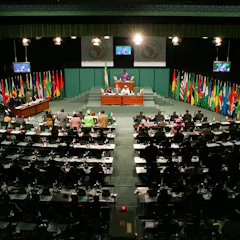
Reports of profligacy by the leaders of the Pan African Parliament could further diminish its legitimacy, which is already being questioned .
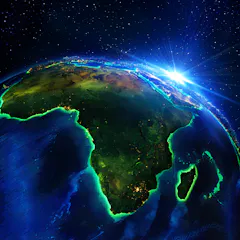
There are several projects and initiatives that offer hope amid all the bad news about African science.

Social media presents a powerful platform for creating multiple stories about Africa.
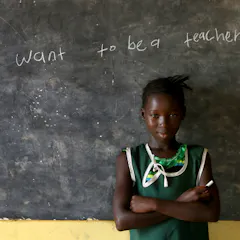
Female teachers can act as role models who enhance girls’ motivation and learning outcomes.
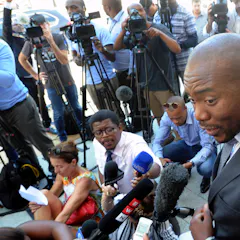
The sustainability of the news media is a precondition for good journalism in the public interest. Thus, economic questions should form part of discussions of press freedom.
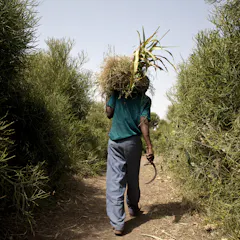
Africa’s declaration to boost agriculture on the continent has seem some progress but a lot still needs to be done.
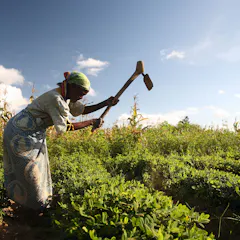
We found that even when women own land, their husbands are still perceived as household heads.
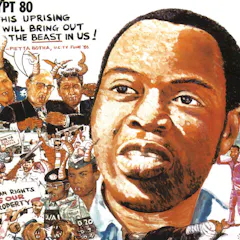
Fela Kuti’s critically engaging lyrics, and his intense and methodical delivery, provide an important window to exposing students to critical understanding of the global system.
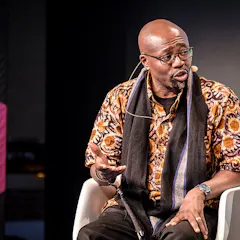
New forms of artistic expression are driving debates in East Africa that challenge sensitive subjects. But the backlash has been vicious.

Education systems around the world are increasingly recognising the value of local approaches to thinking, learning and being.
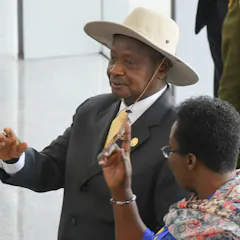
Not all African leaders are willing to be swept by the democratic reforms of the early 2000s.

Governments in Africa have done little to institute policies that improve awareness and protect people who have epilepsy.
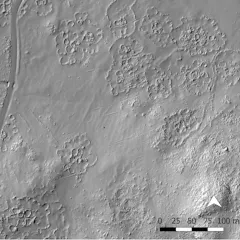
Technology which located Mayan cities has been used to rediscover a southern African city from the 15th century.

In China, like in other parts of the world, Africa is routinely treated as a single unit, erasing its linguistic, racial and cultural diversity.

Remarkable progress is being made on HIV treatment. But African countries need to work on sustainable ways to ensure the treatment programmes are not entirely dependent on foreign aid.
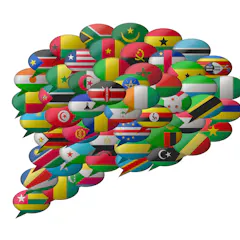
Africa needs a new strategy for mother-tongue based bilingual education, from primary through to tertiary level.
Top contributors
-

Professor of International Law, University of Pretoria
-
Professor of the Practice of International Development, Harvard Kennedy School
-
Extraordinary Professor, Global Health, Stellenbosch University; South African Medical Research Council
-
Professor, Department of Political Sciences, University of South Africa
-
Director of the Leaders of Africa Institute and Research Affiliate with Davidson College, Davidson College
-
Emeritus Professor of African Linguistics, University of Leipzig
-
Professor of Human Geography, Lund University
-
Associate professor, Cape Peninsula University of Technology
-
Lecturer Social Work, University of Wollongong
-
Lecturer in Environmental Sustainability, University of Energy and Natural Resources
-
Professor of Mathematical Physics, University of Cape Town
-
Professor of Ethnomusicology, Kent State University
-
Lecturer, University of Queensland, The University of Queensland
-
Director, Institute for Poverty, Land and Agrarian Studies, University of the Western Cape
-
Research Fellow, Department of Political Sciences, University of Pretoria