

They’re fast and convenient, but scooters can harm young people’s health by robbing them of exercise.
Articles on Non-communicable diseases
Displaying 1 - 20 of 56 articles

People with cancer are vulnerable to verbal microaggressions. Learn what they look like and how to reduce their impact here.

Financial links between corporations and health research invariably lead to conflicts of interest.

Kenya’s experienced fast population growth and urbanisation - this has brought about some big challenges.

Prevalence of exclusive breastfeeding has increased across all countries but few are likely to meet the 2030 goal of 70%.
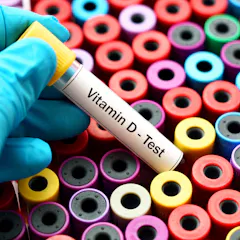
Vitamin D has been shown to regulate the function of 229 genes in humans, suggesting that it plays many roles in maintaining health.

In Uganda, essential medicines are not being stocked at facilities that need them most. This includes drugs to treat chronic diseases.
The increase in cases of non-communicable diseases in developing countries has led to an emerging pattern of high levels of multimorbidity.

Although hypertension can easily be detected in Africa, up to half of the population are unaware of their condition.

Research shows poorer black South Africans are disproportionately exposed to food-related advertising that promotes the consumption of fatty, unhealthy foods.

The reality is that the move to introduce a sugar tax in South Africa is necessary because of the scourge of non-communicable diseases and obesity in the country.
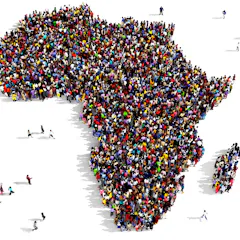
Cracking genetic responses to the changing environment in Africa would open a new frontier in the drive against rising non-communicable diseases on the continent.

Of women who die from cervical cancer, 87% live in poor countries.

In developing countries mental health care generally takes a backseat when it comes to allocating resources.
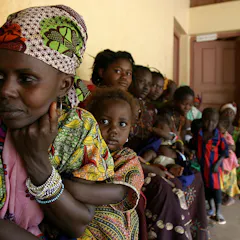
An index developed to gauge progress towards the sustainable development goals and their targets shows that nine of the world’s worst performing countries are in Africa.

Marketers take advantage of the fact that children sometimes can’t recognise the difference between product placement and advertising.

Genomic research must take place in Africa because African populations have evolved significantly and their genetic composition is more diverse than that of populations elsewhere.

Non-communicable diseases are skyrocketing in Kenya and Uganda. Though the countries’ governments have a responsibility to tackle the problem, individuals need to take action too.

In-school nutrition programmes can reduce the chances of children suffering from childhood obesity.

In countries such as South Africa with a high burden of TB and HIV, vitamin D could be an extremely effective and cheap weapon to include in the arsenal against TB and HIV.
Top contributors
-

Professor of Public Health, The University of Melbourne
-
Associate Professor, Melbourne School of Population and Global Health, The University of Melbourne
-
The University of Sydney
-
Executive Director, African Population and Health Research Center
-
Associate Professor and Director of the SAMRC/Wits Centre for Health Economics and Decision Science - PRICELESS SA (Priority Cost Effective Lessons in Systems Strengthening South Africa), University of the Witwatersrand
-
Chancellor, University of West Indies & Emeritus Director, Pan American Health Organisation
-
Professor of Public Health Policy, Deakin University
-
Emeritus Professor, Menzies Centre for Health Policy, University of Sydney
-
Professor Epidemiology & Equity in Public Health & Director, Institute Health Transformation, Deakin University
-
Nutrion Scientist, University of Pretoria
-
Professor and Head, Division of Clinical Pharmacology, Faculty of Medicine and Health Sciences, Stellenbosch University
-
D.Phil. Candidate in Population Health, University of Oxford
-
Senior Lecturer, Division of Family Medicine and Primary Care, Faculty of Medicine and Health Sciences, Stellenbosch University
-
Honorary Associate Professor in Medical Microbiology, University of Cape Town
-
Professor of Population Nutrition and Global Health, University of Auckland, Waipapa Taumata Rau