
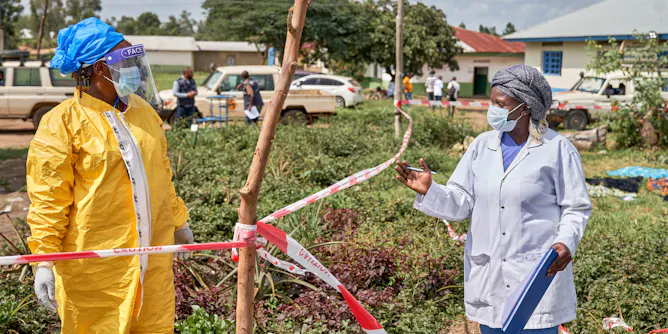
Case numbers have steadily increased since the outbreak was confirmed on May 15.
Articles on African health
Displaying 1 - 20 of 50 articles

Sanders was not afraid to challenge and speak out about sensitive and difficult issues, to people in senior positions of power - and when he did, they sat up and listened.
The increase in cases of non-communicable diseases in developing countries has led to an emerging pattern of high levels of multimorbidity.
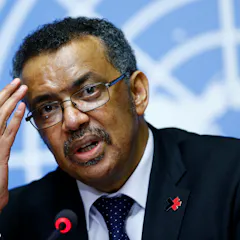
How will the World Health Organisation’s Director-General Dr Tedros Ghebreyesus deal with the mounting challenges? Africa’s academics have some tips.

Africa battles with a dearth of data and seems unable to scale up health innovations. If these can be systematically addressed, the continent can take great strides towards better health for all.
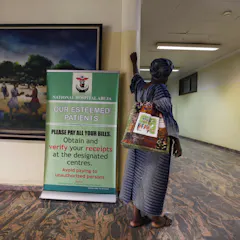
Continued strikes in Nigeria’s health care sector has meant that many patients go without much-needed care.
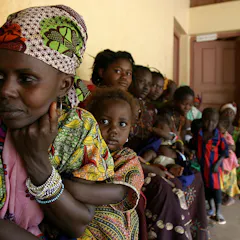
An index developed to gauge progress towards the sustainable development goals and their targets shows that nine of the world’s worst performing countries are in Africa.

A new finding may shed light on how sleeping sickness has avoided elimination and could help finally beat the deadly disease.

Each suicide has a social, economic and cultural context. And unless these factors are considered alongside psychiatric care, steadily increasing suicide rates will not be curbed.
Ghana must urgently implement strategies to tackle the high burden of viral hepatitis if it’s to fulfill global targets of eliminating the disease by 2030.

A new polio outbreak in Nigeria has hampered the country’s efforts to be declared polio free by 2017.
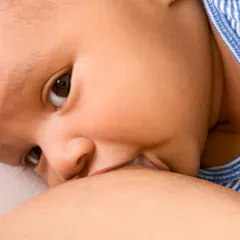
South Africa, despite its bold commitments to improve breastfeeding, does not have national data to monitor breastfeeding rates to ensure that its policies are being effective.
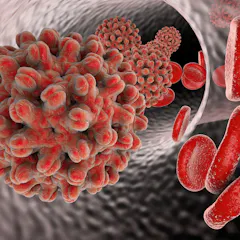
Liver cancer in Africans tends to occur between the ages of 30 and 40. But a study has found that it occurs at a significantly younger age in those who are infected with HIV and hepatitis B.

The vasectomy is currently the only reliable contraceptive available to men. But a new option could give men more family planning power.
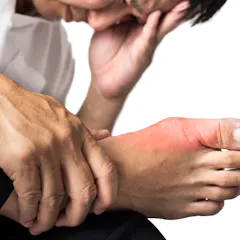
Doctors and patients are unsure of the best treatment for gout, leading to poor patient education and compliance, poorly addressed lifestyle factors, and suboptimal use of available drugs.
In many parts of the continent medical laboratories lack resources and expertise and can’t keep up with diagnostic demands, so proper diagnosis and treatment of health conditions is delayed.

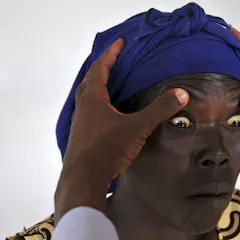
Cataract blindness continues to affects tens of millions of people because they cannot access proper care.
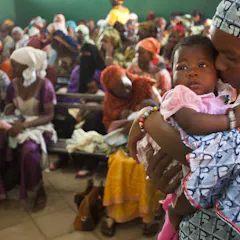
Across the continent, citizens’ perceptions of health care show several barriers to access and better health for all.

More than two million women across the world suffer from obstetric fistula – a hole in the birth canal that makes them incontinent – but this can be avoided.

The high rate of child homicides in South Africa shows that reproductive, mental health and social services are failing to help vulnerable mothers.
Top contributors
-

Rheumatologist, University of Cape Town
-
Board Certified Internal Medicine Physician and Public Health Scientist, MidMichigan Health, University of Michigan
-
Research Fellow of International Development, Deakin University
-
Professor of Epidemiology and Public Health, University of Malawi
-
Clinical Senior Research Associate, MRC Epidemiology Unit, University of Cambridge
-
Professor-at-large, School of Public Health, University of the Witwatersrand
-
Research Fellow/Research Uptake Officer of the Health Policy Research Group, University of Nigeria
-
Professor and Programme Director, SA MRC Centre for Health Economics and Decision Science - PRICELESS SA (Priority Cost Effective Lessons in Systems Strengthening South Africa), University of the Witwatersrand
-
Research Fellow at Monash University, Monash University
-
Professor Emerita, Department of Sociology, University of Pennsylvania
-
PhD Student, Cardiff Metropolitan University
-
Extraordinary Professor, Global Health, Stellenbosch University; South African Medical Research Council
-
Executive Director of the Wits Reproductive Health and HIV Institute, University of the Witwatersrand
-
MA in Social and Psychological research by coursework
-
Distinguished Professor, DST-NRF Centre of Excellence in Human Development, University of the Witwatersrand