
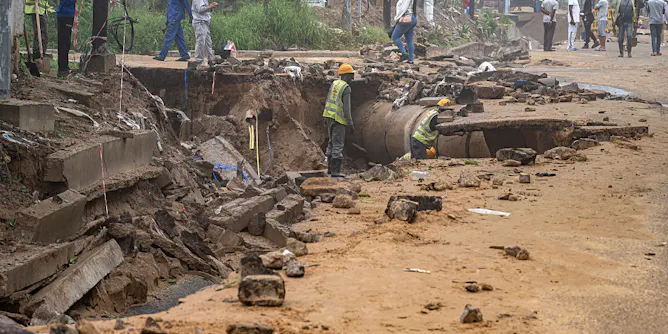
The most important thing to do is to lower the cost of capital for African countries.
Articles on ACF2026
Displaying 101 - 120 of 120 articles
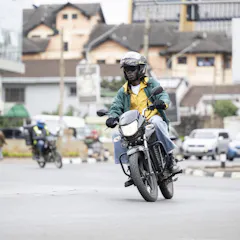
Africa doesn’t need a technological breakthrough to scale EV adoption. It needs cheaper capital and supportive policy environments.
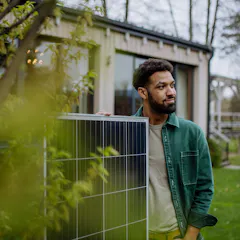
With cement production driving 8% of greenhouse gas emissions, green housing is needed urgently.
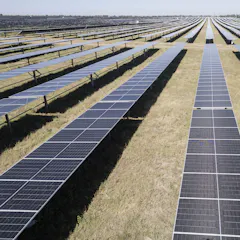
South Africa’s largest gold producer went to court to win the right to use its own solar power.
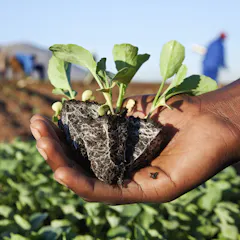
Women farmers in KwaZulu-Natal have had to abandon their fields because the government has failed to maintain irrigation systems built in the apartheid era.
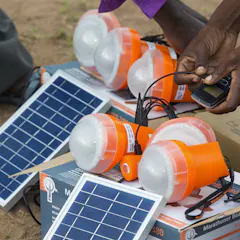
Some women in Zimbabwe are being left behind in the move to green energy because they can’t afford solar systems that can power electric stoves.
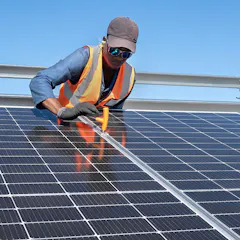
A just transition to a green economy with broad growth in employment will require deliberate efforts.
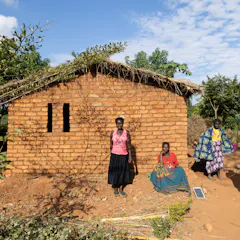
Even small solar devices that can power phone chargers and lights have made a difference in rural Malawi. Now, bigger and better solar systems are needed.

Polluting companies in South Africa have had to pay a tax on their carbon emissions since 2019. This gives them a good incentive to reduce emissions.
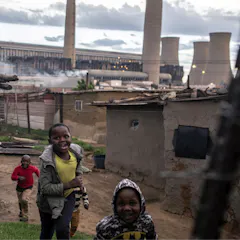
The South African government and coal industry need to move fast to set up a plan to turn old coal mines and power stations into job-creating hubs after they close.

If conditions for private investment in the transmission infrastructure are not put in place, it’s likely that loadshedding will return in 2029.
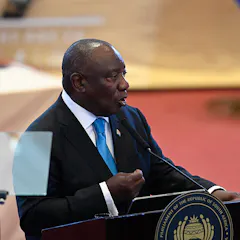
One thing is certain: there will be ongoing contestation over the path and pace of South Africa’s electricity reforms.
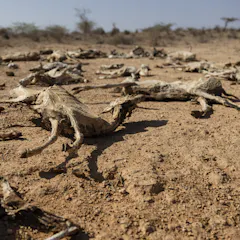
Without rapid cuts to fossil fuels and a shift to clean energy, climate change could drive over a billion into hunger by 2100, hitting Africa hard.
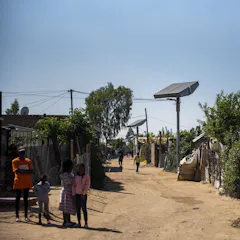
In South Africa, many low-income families who’ve never had electricity can’t afford solar power. Solar mini-grids could help.

An important ocean circulation system is slowing down faster than expected.

South African homes need two-way meters so that they can feed extra solar power from home systems and electric vehicles back to the grid.

By the end of this century, parts of Africa could face heatwaves for 250-300 days a year, which will make it difficult for people to survive.

Zambia’s smallholder farmers face rising cases of heatstroke when working.

Hydroponic farming is a good way to grow fresh fruit and vegetables in South African cities where high levels of unemployment and poverty make these unaffordable.
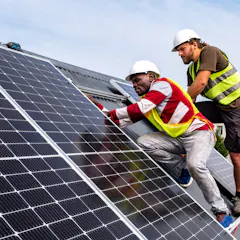
South Africa needs a renewable energy industrial strategy, not just requirements for green power projects to buy a percentage of solar parts from local companies.
Top contributors
-

Research Fellow, The ARC Centre of Excellence for the Weather of the 21st Century, Australian National University
-
Director of the Global Environmental Law Centre; Associate Professor Department of Public Law & Jurisprudence, University of the Western Cape
-
Chief Specialist Scientist (Public Health), South African Medical Research Council
-
Director, Columbia Center on Sustainable Investment, Columbia University
-
Senior Researcher, Associate Professor: Economic Management Sciences, University of Pretoria
-
Lecturer in the Department of Public Law, University of Venda
-
Professor in Mechanical and Mechatronic Engineering, Stellenbosch University
-
Researcher in Renewable Energy, University of Cape Town
-
Professor of Climate Change, Food Systems and Health and Director of The Lancet Countdown in Africa, London School of Hygiene & Tropical Medicine
-
Associate Professor in the Centre for Environmental Management, University of the Free State
-
Director of African Climate and Development Initiative, Professor in Environmental and Geographical Science, University of Cape Town
-
Researcher, Centre for Global Change, Walter Sisulu University
-
Research Scientist: Centre for Global Change, Walter Sisulu University
-
Visiting Adjunct Professor, African Energy Leadership Centre, Wits Business School, University of the Witwatersrand
-
Professor, Department of Geography, University of KwaZulu-Natal