
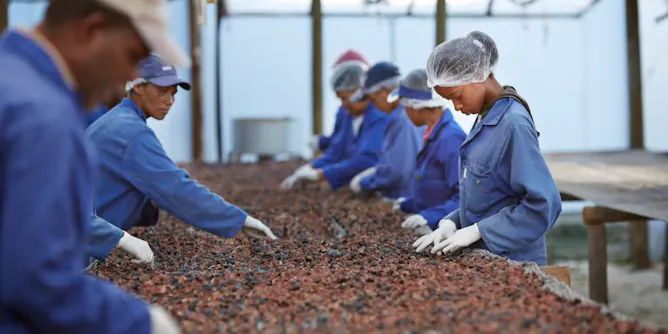
Chinese lenders have invested billions in African agriculture. But new research shows the money often misses what’s needed to modernise the sector.
Articles on ACF2026
Displaying 41 - 60 of 120 articles
Previous rains and grain stocks could reduce the impact of the expected drought.

Factories that process crops and agricultural products need training and support to help them face climate risks.
A powerful Super El Niño is looming. Africa has learned hard lessons from past climate disasters that could help the world prepare.

From roadside plots to community gardens, urban farmers in Alexandra township, South Africa are growing food, earning income and coping with climate change.

South Africa is struggling to move to renewable energy because of: Eskom’s dominance, weak planning, a poor grid, failing municipal networks and unused solar.
The minerals needed for clean energy are driving widespread forest loss across Africa, much of it far beyond the mine itself and largely preventable.
Citizens don’t just respond to disasters. They also respond to how governments manage them.
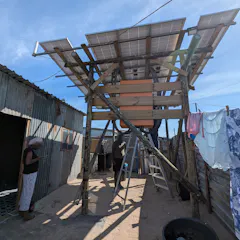
A new basic solar grant made electricity more affordable for families in the Qandu Qandu shack settlement in Cape Town, South Africa.
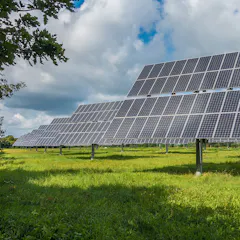
Africa is rapidly expanding electricity generation, but new research shows energy planning must also account for water scarcity and carbon dioxide emissions.

A German loan for fixing Johannesburg’s electricity utility is unlikely to make much difference to users yet: prices will probably rise faster than inflation.
A new continent-wide map is helping identify where Africa’s groundwater can support drinking water and irrigation. Monitoring boreholes tracks aquifer health.
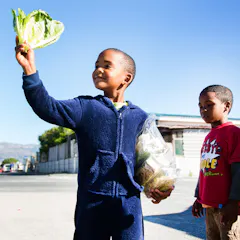
As food and living costs rise, rooftop solar and rainwater harvesting could help low income South African households save money and buy more food.
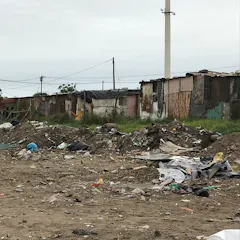
For many isiXhosa-speaking residents, disaster warnings arrive too late, or in language that is difficult to understand.

Climate change is threatening sheep farming in South Africa’s Drakensberg. Farmers are adapting but need mountain infrastructure, better climate warnings and vets.
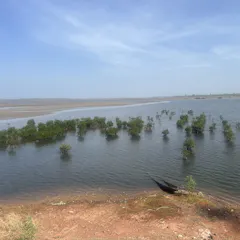
Nature-based solutions like mangrove restoration are key to climate action, but weak monitoring can overstate carbon storage, creating ‘ghost carbon’.

Mauritius is securing climate funding, but weak oversight and poor coordination risk leaving vital adaptation money mismanaged.
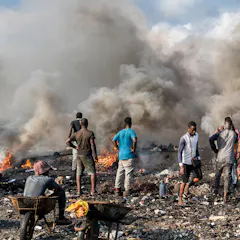
In Agbogbloshie, Ghana, thousands of young women and men burn electronic waste to extract minerals at a cost to their health. They need more protection.
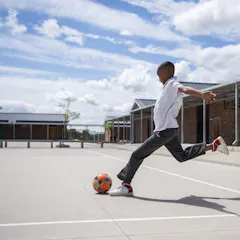
Education systems across southern Africa must better prepare for a hotter future.

AI tools for farming can play a role. But they need to be properly tailored for African and developing nations’ context.
Top contributors
-

Research Fellow, The ARC Centre of Excellence for the Weather of the 21st Century, Australian National University
-
Director of the Global Environmental Law Centre; Associate Professor Department of Public Law & Jurisprudence, University of the Western Cape
-
Chief Specialist Scientist (Public Health), South African Medical Research Council
-
Director, Columbia Center on Sustainable Investment, Columbia University
-
Senior Researcher, Associate Professor: Economic Management Sciences, University of Pretoria
-
Lecturer in the Department of Public Law, University of Venda
-
Professor in Mechanical and Mechatronic Engineering, Stellenbosch University
-
Researcher in Renewable Energy, University of Cape Town
-
Professor of Climate Change, Food Systems and Health and Director of The Lancet Countdown in Africa, London School of Hygiene & Tropical Medicine
-
Associate Professor in the Centre for Environmental Management, University of the Free State
-
Director of African Climate and Development Initiative, Professor in Environmental and Geographical Science, University of Cape Town
-
Researcher, Centre for Global Change, Walter Sisulu University
-
Research Scientist: Centre for Global Change, Walter Sisulu University
-
Visiting Adjunct Professor, African Energy Leadership Centre, Wits Business School, University of the Witwatersrand
-
Professor, Department of Geography, University of KwaZulu-Natal