

Ethiopian communities are cheaply filling destructive gullies with soil, stones and branches and replanting them to stop erosion and restore farmland.
Articles on ACF2026
Displaying 61 - 80 of 120 articles
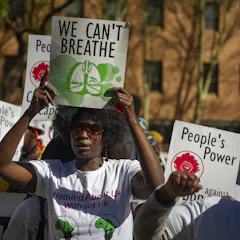
A landmark climate case before the African Court asks what African states must do to protect human rights, phase out fossil fuels, and tackle climate change.
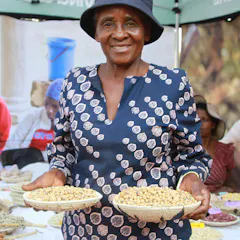
As climate crises deepen, Africa must turn its hard-won experience and local knowledge into global leadership on climate, health, food systems and clean energy.
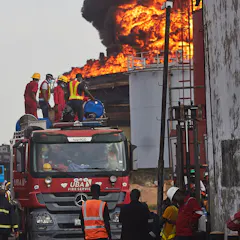
Wealthy nations will need to help fund clean energy, green industrial growth and mineral processing.
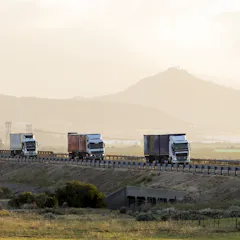
Diesel has become South Africa’s shadow infrastructure system by compensating for failures in electricity generation and freight rail.
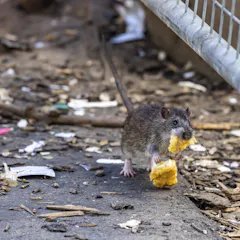
Weak surveillance and climate change could allow deadly hantaviruses to spread unnoticed across African countries, raising the risk of future outbreaks.

Security measures alone are insufficient to resolve resource governance challenges in the DRC.
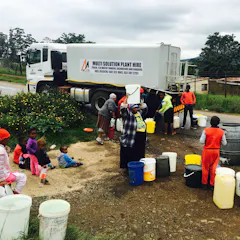
Water tankers are meant for emergencies but are fast becoming the norm for many communities.
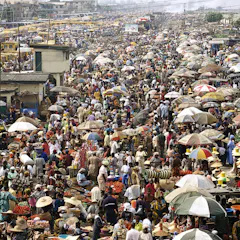
Floods regularly devastate Lagos’s informal workers, but traders and residents have built their own systems to adapt where the state has failed.
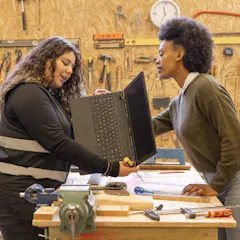
Circular economies don’t follow the ‘take, make and dispose’ model but try to keep products in use for as long as possible by reusing and recycling them.
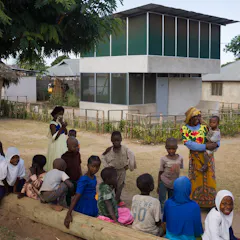
A three year study of Tanzanian children found that changing the way homes are designed can prevent diarrhoea, pneumonia and malaria, and help children grow taller.
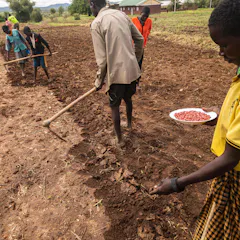
Figuring out how climate change will cause plant disease and pests to spread across Africa’s Great Lakes farms is critical for future food supplies.
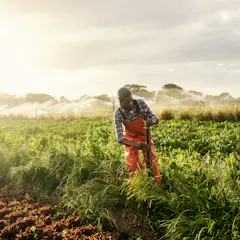
Thousands of hectares of communal land set aside for smallholder farmers’ use in South Africa are lying fallow because of collapsed government irrigation systems.
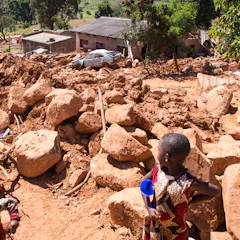
Disaster recovery agencies and governments must pay more attention to survivors’ invisible losses: grief, broken communities and disrupted identities.
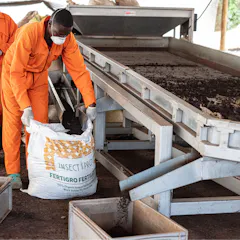
African food systems import 80% of the fertiliser they need. With Iran as a major producer, supplies are now limited and farming with less fertiliser is important.
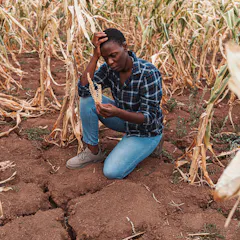
Extreme heat is a huge threat to health, work and food security across southern Africa.

Climate risk assessments guide how much funding is available to support climate impacts and need to work out which women are worst affected.
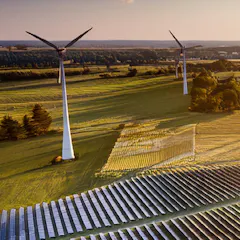
Africa’s clean energy funding would work much better if projects could borrow on fairer terms, and have longer to pay back loans.
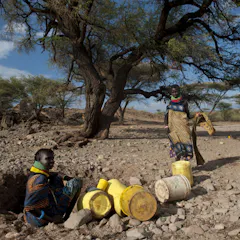
Climate change increases vulnerability to extremist recruitment, while al-Shabaab activity blocks adaptation, reinforcing a cycle of fragility.
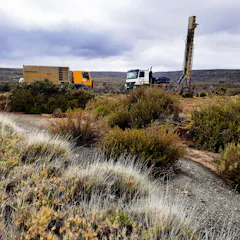
South Africa is moving to regulate groundwater more tightly as demand and climate pressures grow, but the draft rules still fall short in important ways.
Top contributors
-

Research Fellow, The ARC Centre of Excellence for the Weather of the 21st Century, Australian National University
-
Director of the Global Environmental Law Centre; Associate Professor Department of Public Law & Jurisprudence, University of the Western Cape
-
Chief Specialist Scientist (Public Health), South African Medical Research Council
-
Director, Columbia Center on Sustainable Investment, Columbia University
-
Senior Researcher, Associate Professor: Economic Management Sciences, University of Pretoria
-
Lecturer in the Department of Public Law, University of Venda
-
Professor in Mechanical and Mechatronic Engineering, Stellenbosch University
-
Researcher in Renewable Energy, University of Cape Town
-
Professor of Climate Change, Food Systems and Health and Director of The Lancet Countdown in Africa, London School of Hygiene & Tropical Medicine
-
Associate Professor in the Centre for Environmental Management, University of the Free State
-
Director of African Climate and Development Initiative, Professor in Environmental and Geographical Science, University of Cape Town
-
Researcher, Centre for Global Change, Walter Sisulu University
-
Research Scientist: Centre for Global Change, Walter Sisulu University
-
Visiting Adjunct Professor, African Energy Leadership Centre, Wits Business School, University of the Witwatersrand
-
Professor, Department of Geography, University of KwaZulu-Natal