
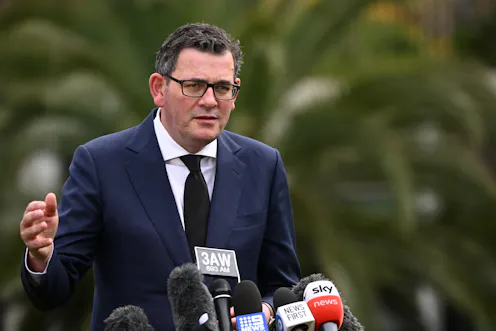
Victorian Labor has had ample time to reform upper house voting - its failure to do so is a blight on democracy in the state.
- Election Analyst (Psephologist) at The Conversation; and Honorary Associate, School of Mathematics and Statistics, The University of Melbourne
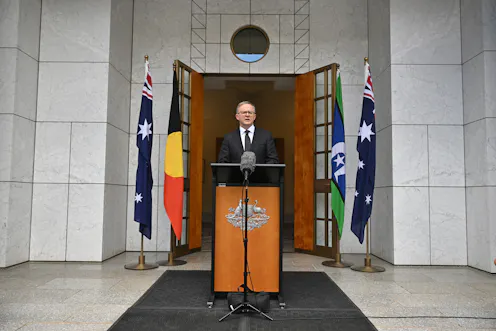
While there is some tapering off of support for the Albanese government since the 2022 election, it is still comfortably ahead of the Coalition.
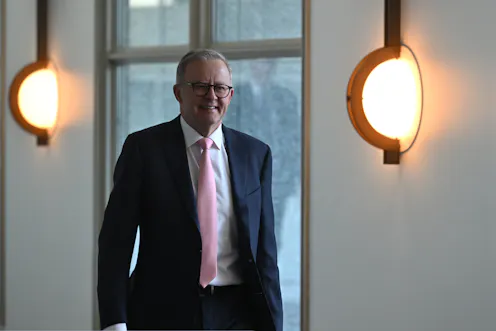
Anthony Albanese extends his lead over Peter Dutton as preferred prime minister as the government’s ‘honeymoon’ period continues.
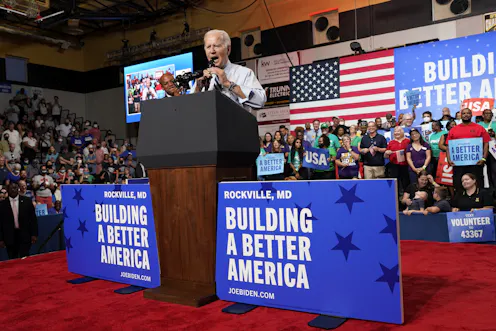
With two months to go until the US mid-terms, President Joe Biden has seen a significant lift in his approval ratings.
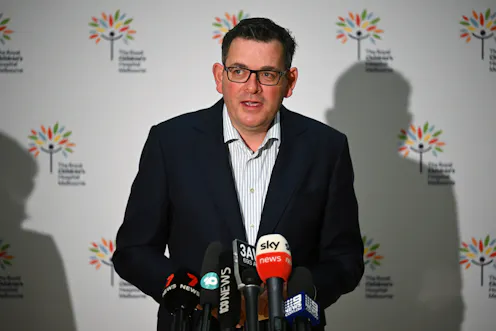
There is still three months to go until the Victorian election, but the Labor government remains in a very strong position.
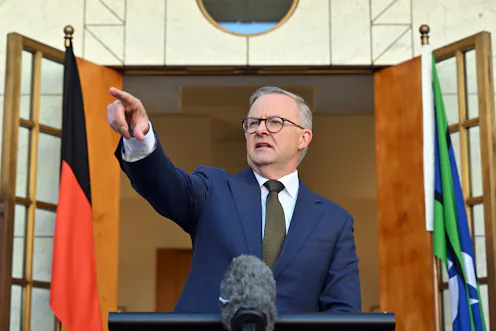
In the wake of Scott Morrison’s “secret ministries” scandal, the prime minister and the ALP have enjoyed a huge boost in support.

The Supreme Court’s decision to strike down the landmark Roe v Wade ruling on abortion is having big political ramifications - and favouring the Democrats.
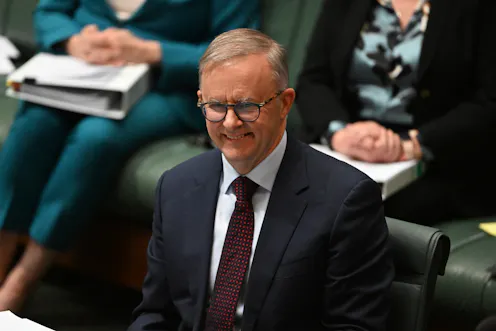
The latest Newspoll show Albanese’s net approval ratings are the highest for a prime minister since early in Malcolm Turnbull’s tenure.
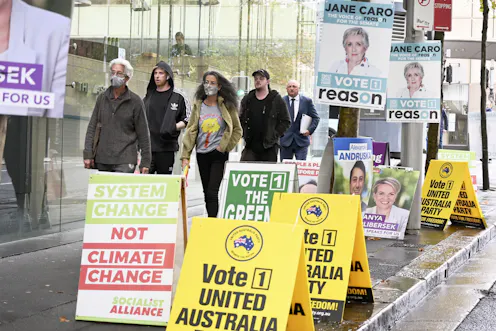
Preference flows from the 2022 federal election show changes to the flow to the ALP across the board.
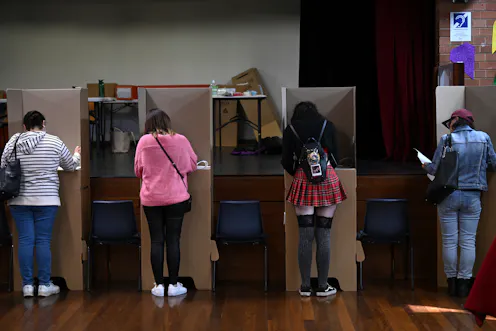
Census and election data show the shift in demographics of the major parties’ voting bases.
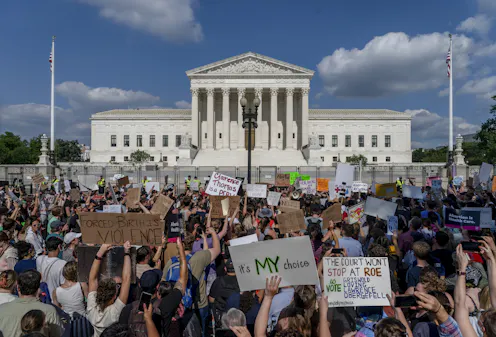
Unlike Australia, judicial appointments in the US are politicised. Democratic presidents will try to appoint left-wing judges and Republican presidents will try to appoint right-wing judges.
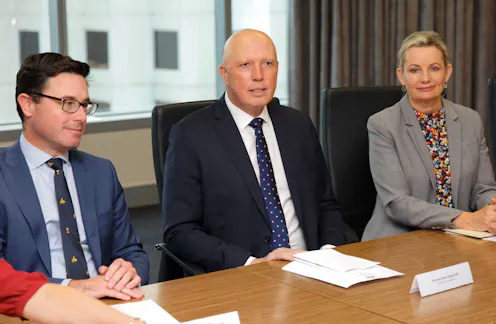
If the Liberals continue to struggle in cities, WA is likely to be more difficult than it may first appear for the Liberals to win back.
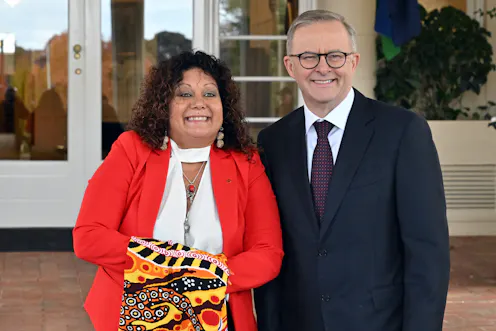
This is an important win for the Albanese government, as it means it can pass legislation with the agreement of the Greens and one other.
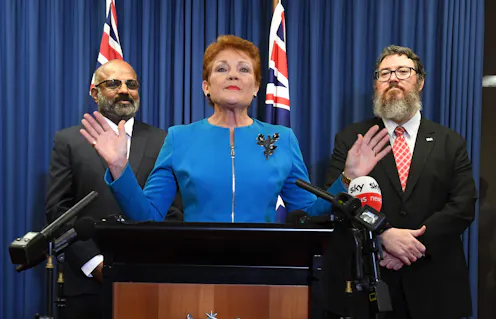
With Senate results close to being finalised across the country, Labor will need the support of the Greens and one or two other senators to get legislation through the upper house.

Senate numbers are close to being finalised in other states, too.

While none of the major polls were entirely accurate, Resolve was closest to the mark; meanwhile, seat polls continue to be highly inaccurate.
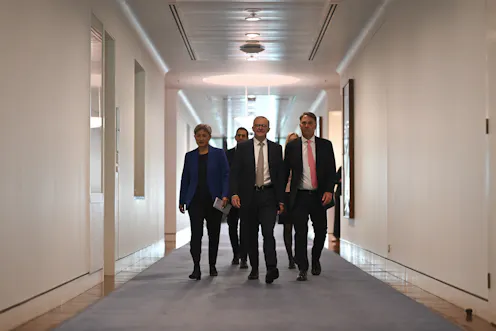
With just three more seats to be finalised in the House of Representatives, Labor will be hoping to pick up at least one of those to obtain a majority. Meanwhile, the Senate is looking promising too.
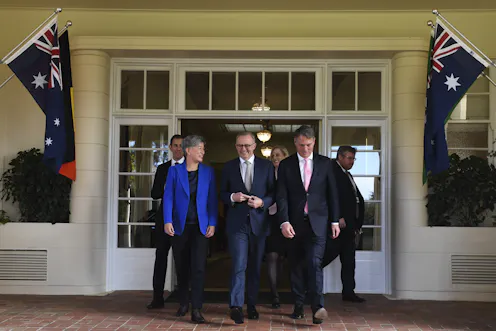
While Labor winning with a small primary vote might seem confusing, the answer is in the flow of preferences in the Australian electoral system.
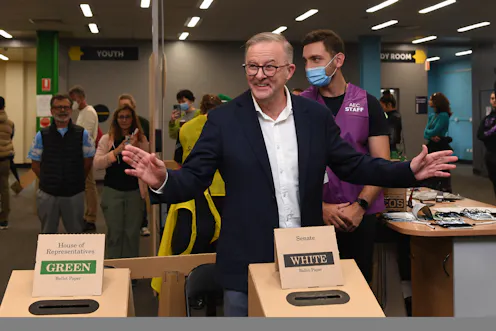
If Labor wins majority government, it can thank Western Australia, which turned away from the Coalition savagely.

The final polls ahead of the federal election on May 21 give Labor a 53-47 two-party preferred leave - if that is repeated on May 21, Labor will win government.
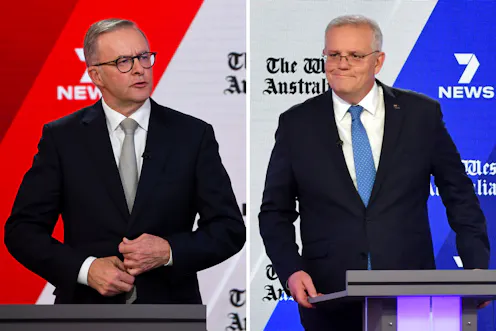
Late polls show a tightening on two-party preferred votes, but a slew of seat polls reveal just how close a lot of the contests will be on May 21.

Despite. a small approval drop for the opposition leader, Newspoll still predicts a comfortable win for Labor on May 21.

With early voting about to begin, Labor has widened its margin in polls to a strong winning position.
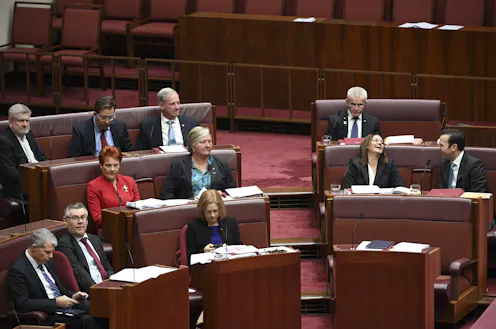
This year there is a half-Senate election, and it could radically change the make-up of the upper house.
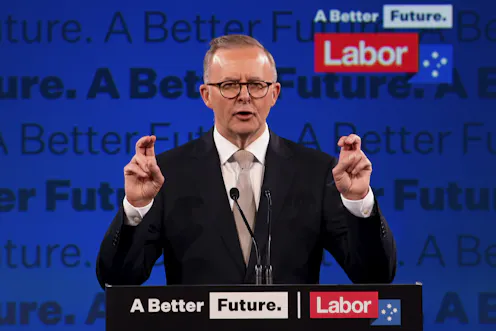
The polls continue to show Labor in an election winning position - but the Coalition will take some heart from the rise in Scott Morrison’s approval rating.
Contact Adrian for
- General
- Media request
- Speaking request
- Consulting / Advising
- Research collaboration
- Research supervision
- Website
- Article Feed
-
- Joined
