
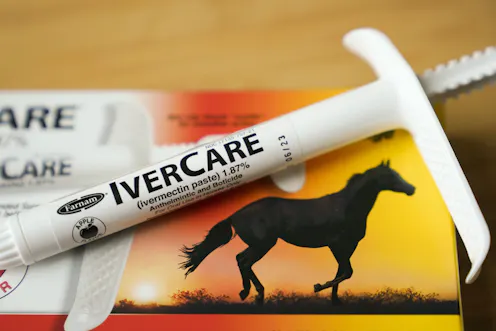
Science works at a much slower pace than social media, opening a large window for early findings to be taken at face value and misinformation to spread.
Science + Tech – Articles, Analysis, Opinion
Displaying 126 - 150 of 4771 articles
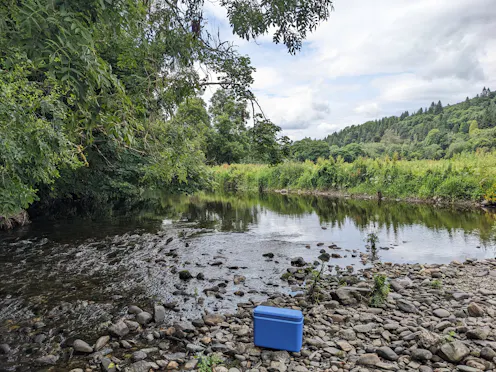
Environmental DNA contained in a small sample of water, sand or even air can reveal the presence of people, wildlife and pathogens, helping researchers track where they’ve migrated.
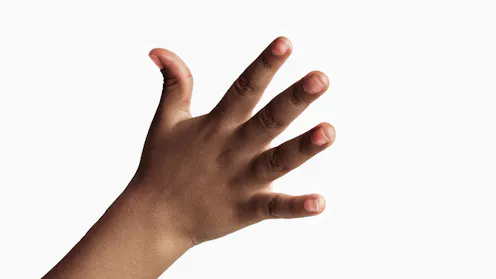
Your fingers’ lengths are just one feature of many that let your hands grasp, press, pull and otherwise interact with the world.
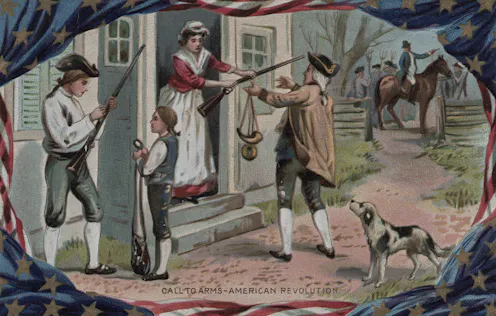
The medical tools of the Revolutionary period help flesh out the picture of what physical well-being felt like for people living in the American colonies 250 years ago.
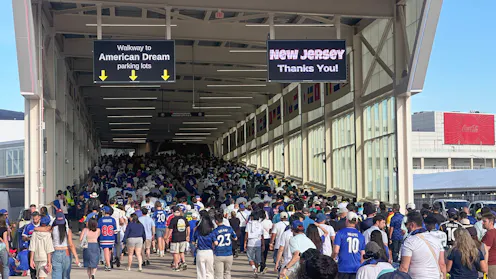
The World Cup is bringing visitors and AI-driven surveillance systems, but only one of those is certain to leave when the games are done.
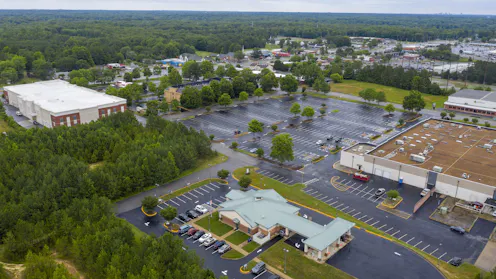
Geofencing warrants, which round up the location data of everyone in a specific place at a specific time, are now legally subject to Fourth Amendment protections.
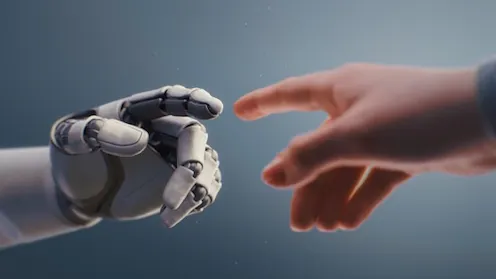
Involving families, educators, engineers, designers and policymakers in AI development can help ensure the technology does more good than harm.
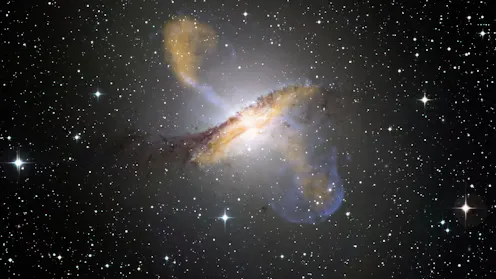
An astronomer explains why artificial black holes are pure science fiction – at least for now.
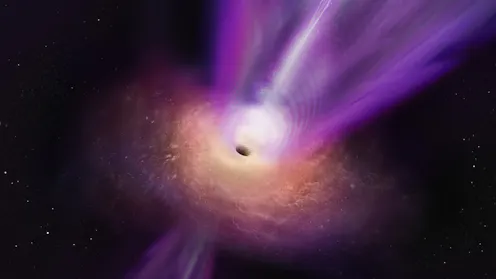
Black holes are a mainstay in sci-fi movies. How do these massive black holes, spread throughout our universe, actually work in real life?
Wikipedia has grown steadily in size and importance, but a shrinking core of volunteer administrators is straining the organization.
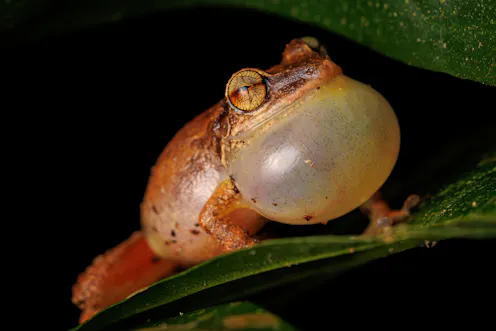
Un nuevo estudio rastrea cómo las ranas jóvenes equilibran la energía entre crecer y combatir infecciones.
A new study tracks how young frogs are trying to avoid a deadly fungal infection.

From airliners to supertankers, GPS has long been invaluable for safe navigation, but its signals can easily be jammed and almost as easily faked. Researchers are racing to develop backups.
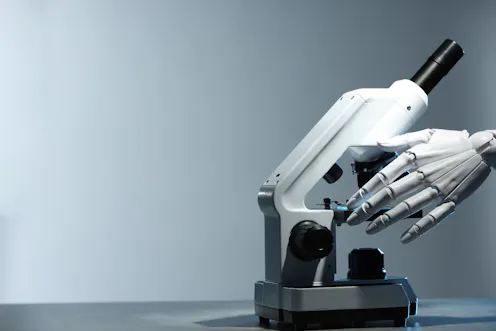
Several scientific fields rely on visual evidence to illustrate their claims. Inaccurate AI-generated images put the credibility of science at risk.
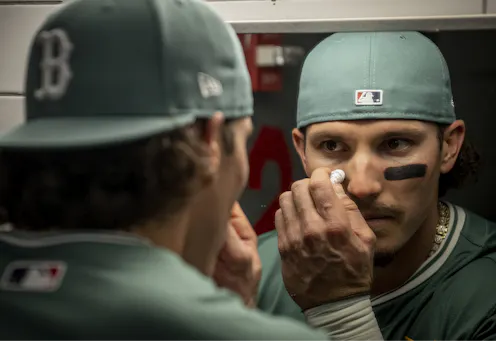
As one piece of more than a century of baseball traditions, eye black is part science experiment, part routine and part uniform.
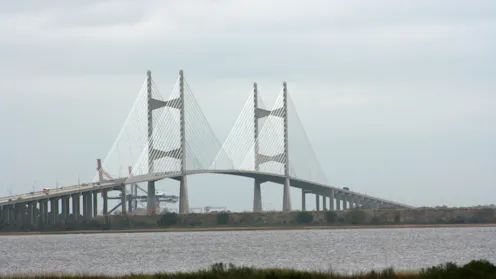
Sensors cannot replace bridge inspectors. They can help engineers see corrosion, cracks, scour and weak magnetic signals that eyes alone can miss.
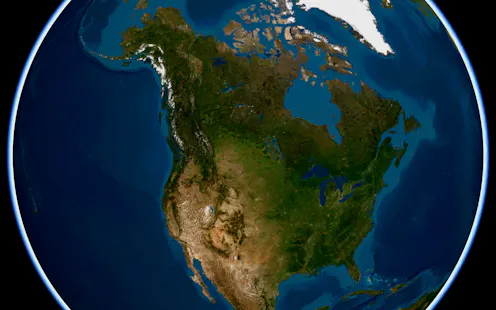
State lines are one way to picture the US, but natural history provides another – one that shows the ancient and living connections running across the landscape.
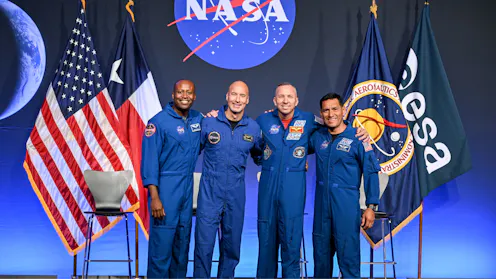
The Artemis program’s timeline and architecture has changed over the past year, so Artemis III will not land on the lunar surface.
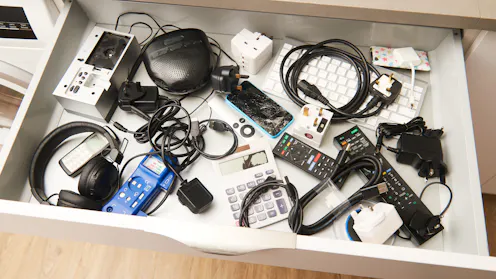
People don’t usually plan to hold onto their old devices, but that’s what many end up doing. Better information about recycling and reselling options could change that.
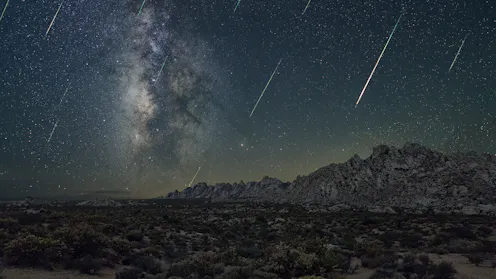
An observatory director describes the differences between the types of rocks that fly through space.
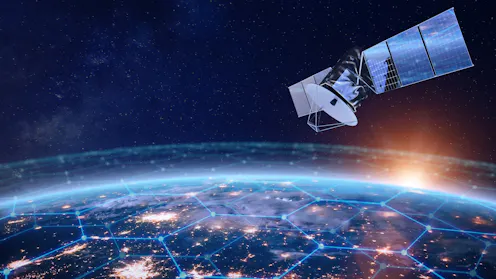
A data center could get more solar power and be kept much colder in space, but it would be extremely difficult to repair and update.
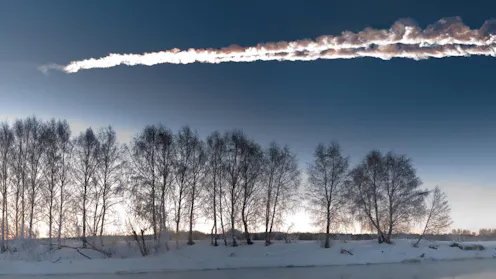
2026 has already been a banner year for meteor spottings and sonic booms across the world.
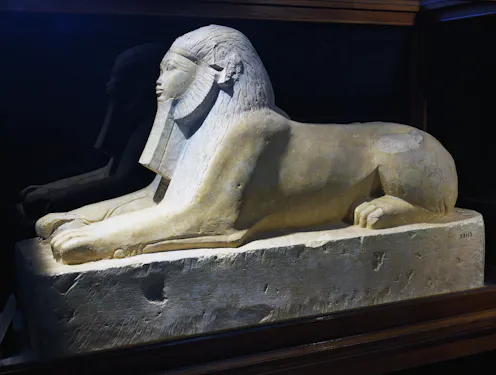
There is evidence of people who crossed gender boundaries even in ancient civilizations, though the terms naming them have evolved over time.
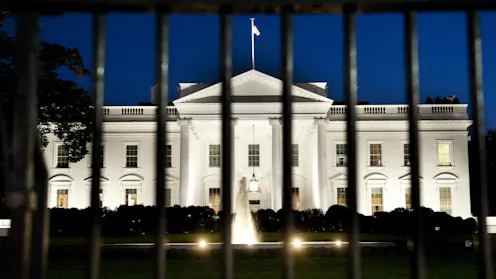
The executive order is voluntary for AI companies but aligns with AI safety experts on the potential for harm.
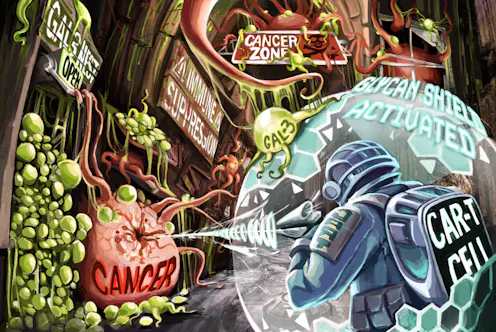
CAR-T therapy engineers a patient’s own immune cells to fight cancer. Making these cels more resilient can make treatments more effective.