
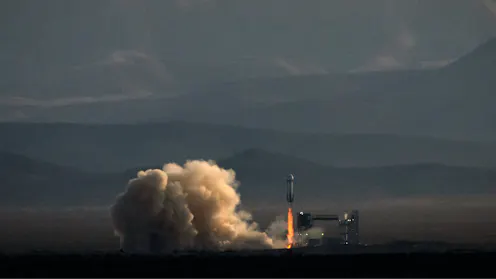
Orbital data centers, space habitats, mining the Moon – despite taking place in space, the practices many companies are imagining will still affect the Earth.
Science + Tech – Articles, Analysis, Opinion
Displaying 76 - 100 of 4773 articles

Nations that lead the development of open-source technology will have a strategic edge for decades to come.
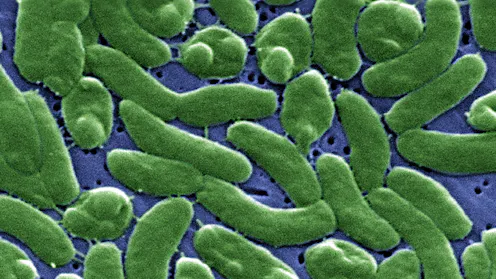
Warmer ocean waters are fueling the spread of the bacteria Vibrio vulnificus. Infections can lead to a rare but fatal condition called necrotizing fasciitis.
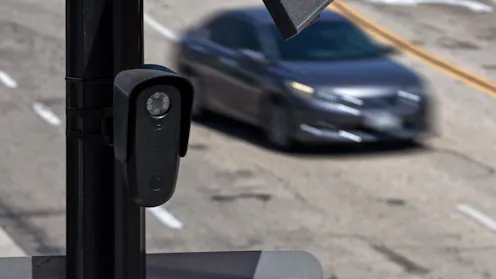
License plate readers are widely used in the US. A new product marketed to police departments promises to add the ability to sense phones and other devices in passing cars.

Computers break examples of human speech into small bits of sound, then put them together to sound like people do.

A new White House science strategy, laid out in a report titled Science: A New Golden Age, challenges an 80-year-old model that made the US the global scientific leader.

Friendships are integral to human health and well being, yet researchers know very little about how people make friends. A new study investigated what people prioritize for new friendships.

From COVID-19 vaccines to Moderna’s mRNA flu vaccine, using mRNA as medicine has shown promise. But before mRNA drugs can go beyond vaccines, researchers need to identify the right diseases to treat.

Working with and living in spatially complex environments may help delay cognitive decline, though more research is needed.
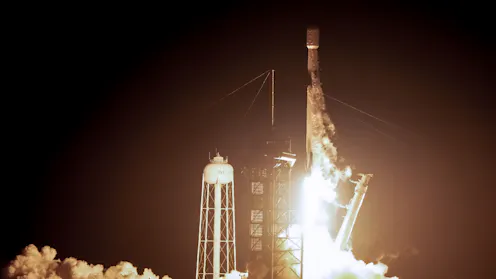
Point-to-point rocket delivery could cut down on transportation times. But engineers will need to figure out how to integrate rockets into current transportation systems.
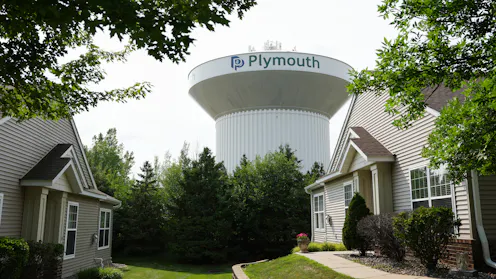
A cybersecurity researcher explains how hackers target small computers that control a water system’s tanks, pipes and valves.

If Spider-Man were real, he could help scientists revolutionize healthcare. Since he’s not, researchers develop creative ways to produce spider silk to study.

Here’s how to sift through complicated studies without getting overwhelmed.
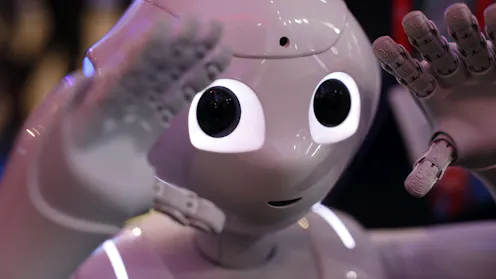
People who interact with expressive robots that make mistakes react with suspicion rather than seeing the bots as malfunctioning machines.
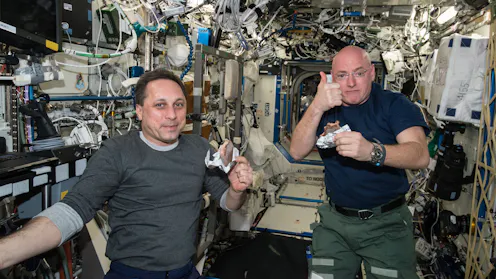
A speech-language pathologist on how complex swallowing is – and how small changes from gravity can complicate the process.
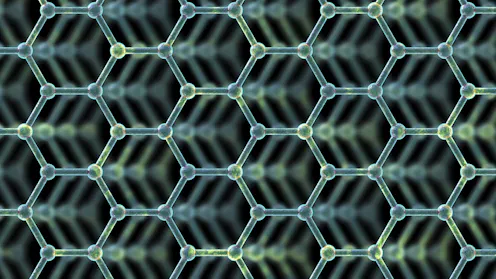
Turns out, changing the way atoms and molecules are arranged in a substance can give it new and fascinating properties.
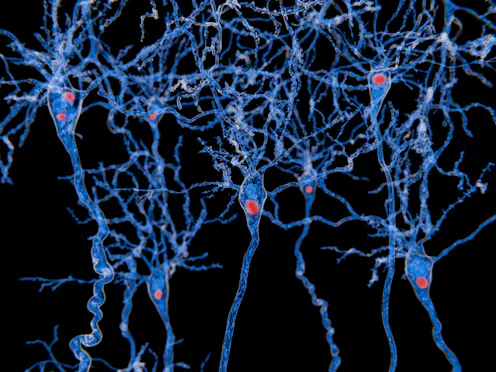
Researchers are finding ways to target the toxic proteins involved in neurodegenerative diseases such as Parkinson’s and Alzheimer’s that were once considered ‘undruggable.’

Sometimes the best escape isn’t a weekend away. It’s the park just down the road.

Hackers have easier ways of getting information out of a computer, but side-channel vulnerabilities show that technology developers need to take a broad view of security.

The World Cup’s VAR controversies reveal a broader challenge for AI-assisted decision-making: deciding what AI should handle, what it should support and what should be left to human judgment.

Although Canada geese were not purposely reintroduced in urban areas, many have made cities their permanent homes.

If the US were to create a fund to harness AI and buffer the economy and workers from long-term harms AI could cause, it would not be the first country to do so.

Menopausal hormone therapy no longer has the highest-level warning label about the risk of breast cancer, opening a gray area on who would benefit most from treatment.
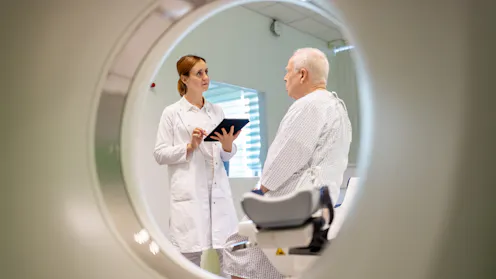
A standardized framework for regulating the safety and efficacy of AI in healthcare has yet to be established.
The gap between AI and a human adviser is narrowest for commonsense guidance.