
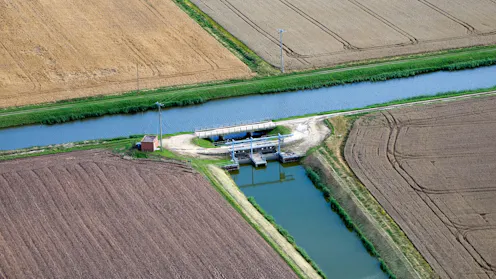
The Fens are a food-growing powerhouse, but the landscape only exists thanks to humans holding back the sea.
Environment – Articles, Analysis, Comment
Displaying 26 - 50 of 5950 articles
Change happens rapidly when we know where to look: these solutions could tip the world towards a better future.
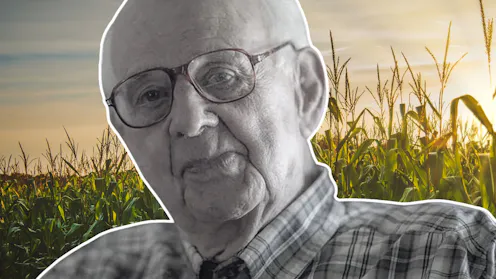
Every reader, farmers and non-farmers alike, can learn from his broader ethics of care, attention and negotiation with the natural world.
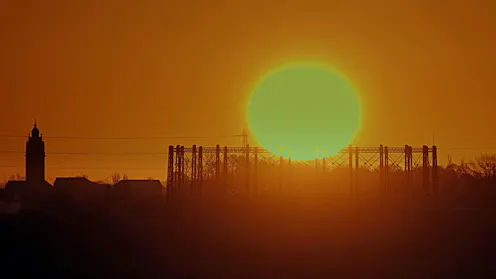
Solar geoengineering experiments are being funded, but researchers disagree over what they can tell us – and whether they should happen at all.

Europe is not facing a scarcity problem but a recovery challenge, and one that can be solved.
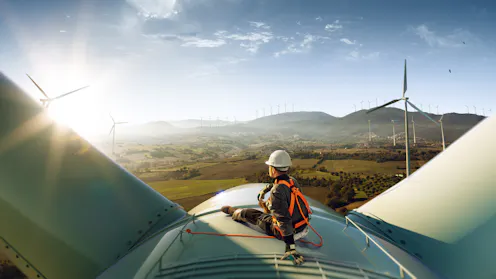
Industrial renewal coupled with social reforms could support a green transition away from carbon-intensive industries while narrowing social inequalities.

Our transport infrastructure and logistics supply chains were built for a stable environmental and energy baseline that no longer exists.
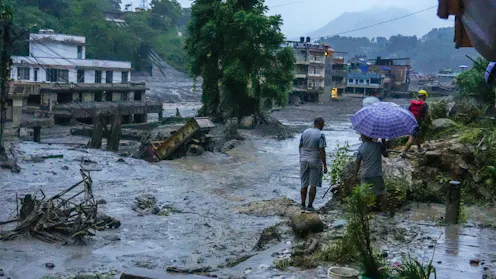
Around half of the glacier ice in the Himalayas (equivalent to about two billion Olympic swimming pools) could melt by the end of this century.
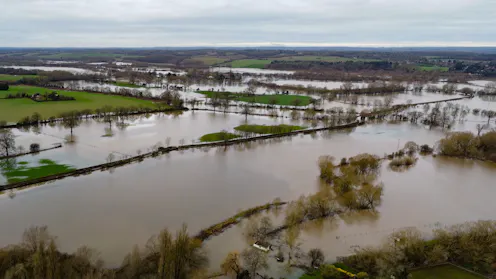
We have built the system to shed much of the surplus rather than keep it. We allow a wet winter to rush away, then ration what remains through a dry summer.
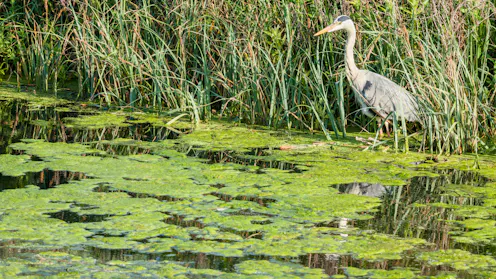
Hot weather accelerates toxic algal blooms, but nutrient pollution provides the fuel.

Put down the fertiliser.

Virtually trying on clothes could persuade more people to experiment with renting clothes.
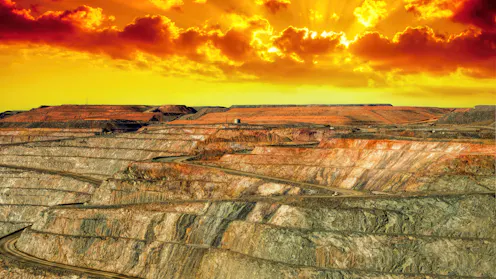
New research argues no other concept reflects our planet-wide transformation in its proper context of deep time.
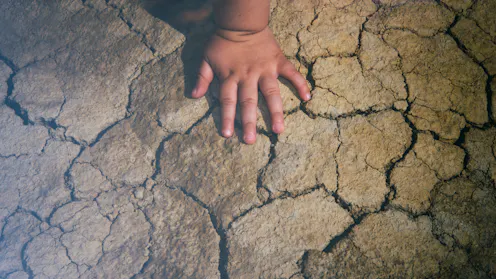
Floods, droughts and extreme heat can disrupt nutrition and healthcare in early life, with consequences that may last for years.
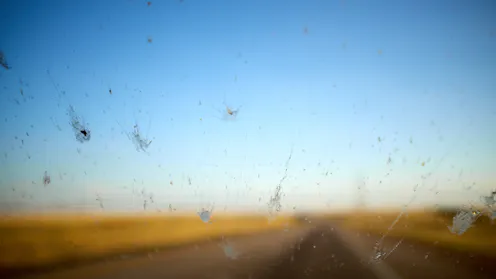
Insects are under threat partly because of man-made climate change, heatwaves and intensive farming.
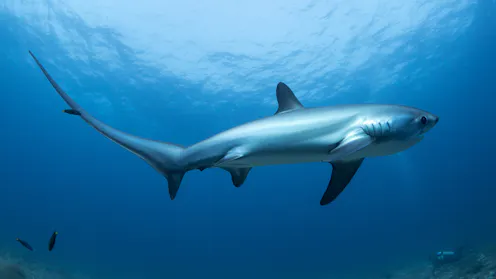
Scientists are working closely with anglers to track the lives of sharks in English waters.
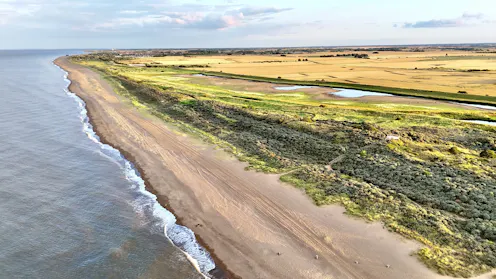
The places most exposed to saltwater flooding, especially the low-lying Fenlands, are also some of the most productive farmland in the UK.
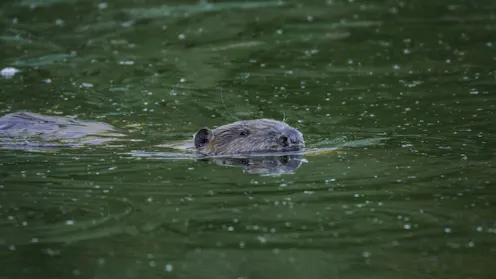
A pilot scheme reintroducing beavers has created a green, wet corridor which could be valuable during hot, dry summers.
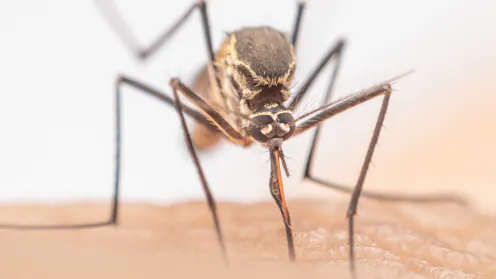
The immediate risk is very low. The discovery shows how warmer weather may change Britain’s defences against mosquito-borne disease.
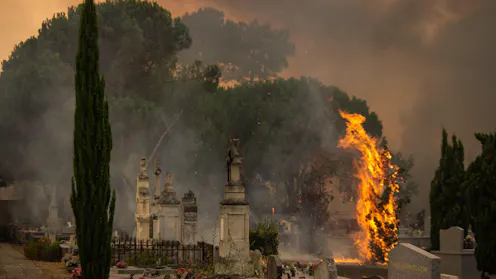
New research suggests negative or anxiety-inducing images might be more useful than once thought.

Even with today’s forecasting technology, D-Day would not have been an easy call as portrayed in the new movie, Pressure.
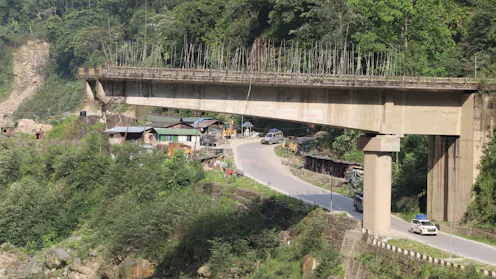
Cascading hazards and entrenched inequalities have led to false starts in reconstruction and ongoing suffering since the 2023 disaster in India’s eastern Himalayas.
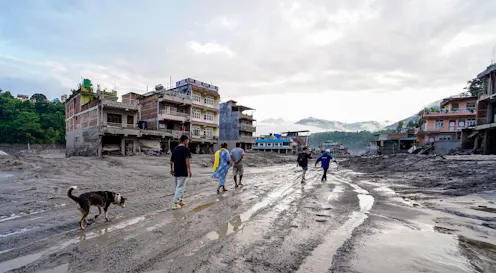
How do you warn people downstream about fast-moving hazards that can change form and cross borders?

Antibiotic resistance is not only a hospital problem. Farming, food production and import standards also play a role.
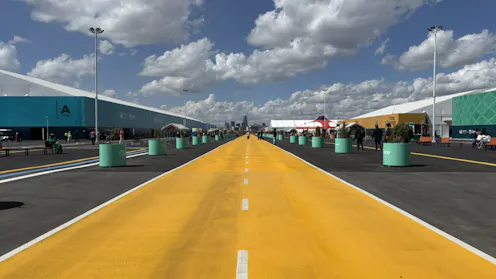
Fighting drought and combating desertification are climate obligations.