
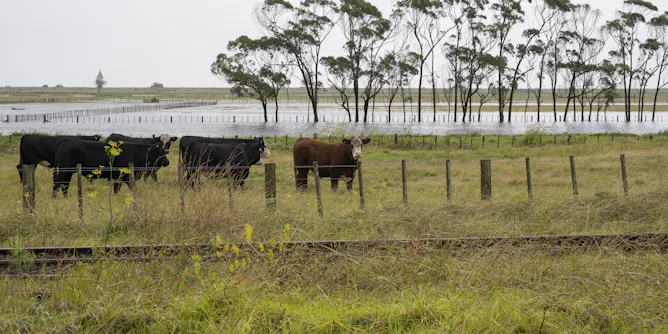
Floods are often followed by waves of diseases because pathogens shed by animals can survive in flood waters for days, raising the risk of infection for humans.
Articles on Zoonoses
Displaying 21 - 40 of 107 articles
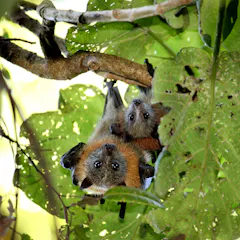
Bats host many viruses dangerous to humans. But it’s only when their habitats are destroyed that we’re at risk.
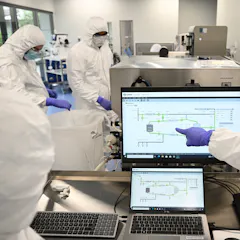
Authorities have been warned about five virus families that could cause future pandemics. Here are snapshots of the diseases each can cause and why we should be worried.
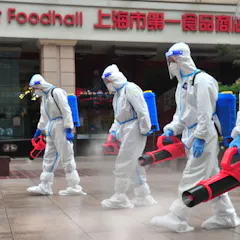
If surveillance focuses only on diseases that have already emerged, we’ll remain behind the curve. Better prediction of future pandemics will need to integrate animal, planetary and human health.

For the lab leak theory to be true, SARS-CoV-2 must have been present in the Wuhan Institute of Virology before the pandemic started. But there’s not a single piece of data suggesting this.

Data suggests most of the time infection results in either no symptoms or very mild disease for cats and dogs. And the duration of their symptoms, if they get them, may be very short.
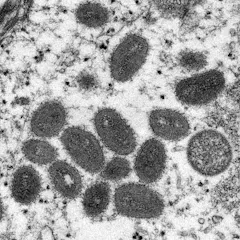
This is not the first time that the monkeypox virus has spread beyond Africa, its continent of origin. But the current epidemic is unprecedented for a number of reasons.
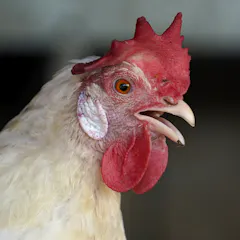
Avian influenza virus — or bird flu — can infect domestic poultry such as chickens and turkeys, as well as wild birds. The H5N1 strain has been identified in Canada.
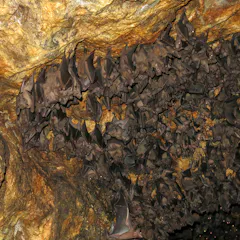
Scientists exploring the possibility of an animal origin for Covid-19 are still investigating the missing link between bats and human beings.
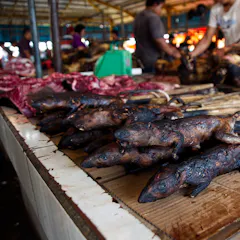
Following the global spread of COVID, there have been widespread calls for blanket bans on the consumption and trade of wild animals. But such bans may have unintended consequences.
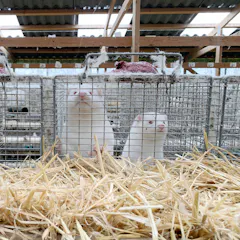
The fear that SARS-CoV-2 will evolve in animals and then spread back to us in a more virulent form is unfounded.

New developments in organ transplants from animals show promise. However, there has been no public engagement about a potential risk. It may streamline a pathway to humans for new zoonotic diseases.
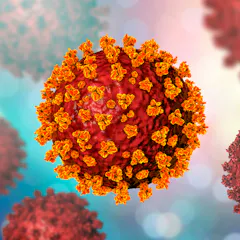
The delay in finding definitive answers to how novel infectious diseases come about is not unusual. Look at what happened to our search for Ebola virus.
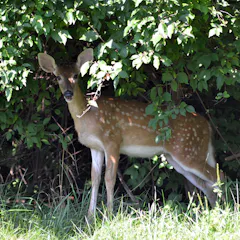
Scientists have been testing captive and wild animals for the coronavirus since the pandemic began. Only a few wild species are known to carry the virus, but many more have been shown to be susceptible.
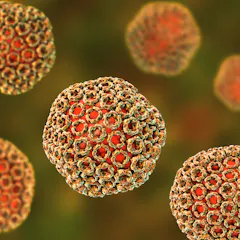
Manufacturing is just one part of the vaccine ecosystem. It’s the health system that delivers vaccines and people must be willing to take them.
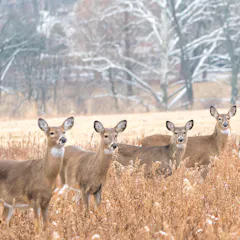
In a sample of white-tailed deer, 80% were found to have an active COVID infection.
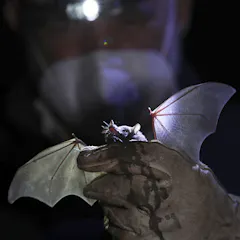
It’s more evidence a lab leak is very unlikely.
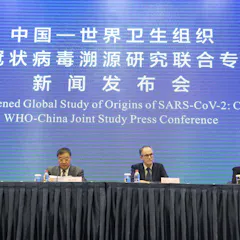
Since the WHO’s investigation earlier this year, several papers have come to the same conclusion regarding the likely origins of SARS-CoV-2. Yet progress is too slow.

A recent Sage report discussed the potential for vaccination or slaughter of pet dogs and cats should a much more deadly variant emerge.

Don’t share your toilet with your pet, or treat your toilet like a flushable garbage bin. It could lead to dangerous diseases, and clog sewer pipes.
Top contributors
-

Directeur régional Asie du Sud-Est, vétérinaire et épidémiologiste, Cirad
-
Professor of Infectious Diseases, Monash University
-
Chercheuse en épidémiologie, Cirad
-
Professor of Bioethics & Medicine, Sydney Health Ethics, Haematologist/BMT Physician, Royal North Shore Hospital and Director, Praxis Australia, University of Sydney
-
Lawyer, Queensland University of Technology
-
Sydney Horizon Fellow, veterinarian and wildlife disease ecologist, University of Sydney
-
Professor of Veterinary Infectious Diseases, University of Liverpool and International Livestock Research Institute, Kenya, University of Liverpool
-
Catedrático de Microbiología. Miembro de la Sociedad Española de Microbiología, Universidad de Salamanca
-
Deputy head of ASTRE research unit, epidemiologist, Cirad
-
Emeritus Professor, infectious disease ecology, Griffith University
-
Veterinarian epidemiologist, Cirad
-
Anthropologie, EHESS, CNRS, Laboratoire d'anthropologie sociale, Collège de France, Auteurs historiques The Conversation France
-
Dean Faculty of Sciences and Professor in the Department of Microbiology, Stellenbosch University
-
NHMRC Leadership Fellow and Professor of Virology, University of Sydney
-
Researcher, socio-economist of animal health, Cirad