
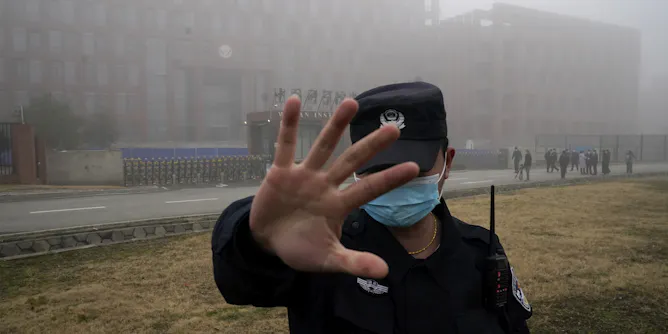
Gain-of-function studies make a natural virus more dangerous or transmissible to humans. Could the Wuhan Institute of Virology be the source of SARS-CoV-2?
Articles on Zoonoses
Displaying 41 - 60 of 107 articles
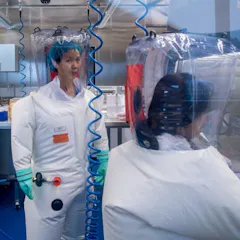
The lab accident theory of the origins of Covid-19 has gained traction in recent months. We need a proper investigation to find out what really happened.

A more coordinated effort by scientists, stakeholders and community members will be required to stop the next deadly virus that’s already circulating in our midst.

Pandemic viruses arise from raising, harvesting and eating animals. Policy strategy for averting the next pandemic should include supporting those already seeking to make plant-based dietary changes.

Nairobi harbours all the ingredients for zoonotic spillover to occur between animals and people, particularly in the most densely populated areas of the city.
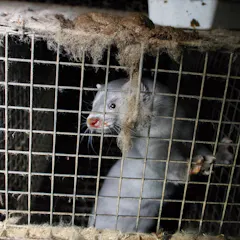
The virus responsible for Covid-19 can infect different species and scientists are still looking for the animal that provided the link. All eyes are turning to mink farming.
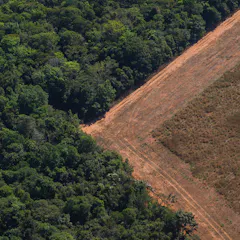
The pandemic has brought humanity’s strained relationship with nature into sharp focus.
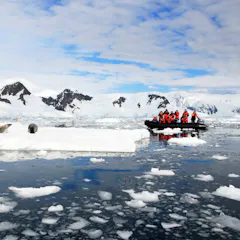
Over six months, 73,991 tourists visited the continent. The potential to spread coronavirus to penguins, whales and other wildlife is enormous.
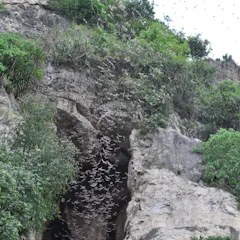
A bat virus discovered a decade ago in Cambodia indicates that pangolin trafficking remains a credible explanation for the origin of the Covid-19 pandemic.
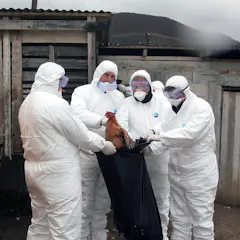
Ever since the 2001 SARS outbreak and H5N1 avian flu in 2003, we’ve developed tools to monitor diseases that transmitted from animals to humans. But what does a large-scale roll-out entail?

The ways in which humans connect with animals relate to how we interact with other humans. Understanding these relationships can help inform more inclusive societies.
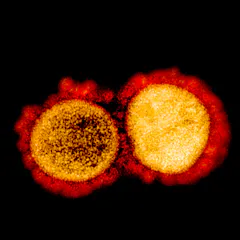
The SARS-CoV-2 virus at the origin of the Covid-19 pandemic is one ten-thousandth of a millimeter in diameter. How can such a microscopic organism have such an immense impact on global health?
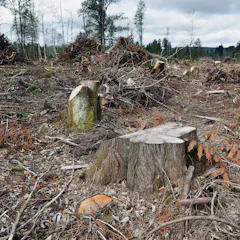
Human damage to biodiversity is leading us into a pandemic era. A new report shows we must urgently transform our relationship with the environment.
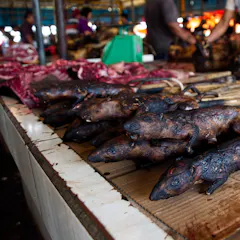
Needed: less wild meat in cities, more wildlife experts in public health.
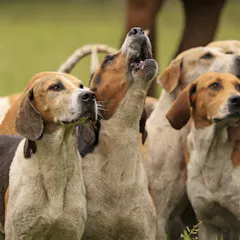
Importing dogs into Canada has also introduced a flesh-eating parasite that is transmissible to humans. Veterinarians, researchers and public health officials should work together to curtail the disease.
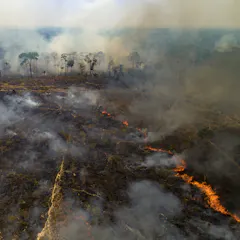
Deforestation and extreme blazes threaten the region’s biodiversity, risk transforming the rainforest into a semi-arid savannah and expose people to zoonoses that could spur new pandemics.

An unprecedented level of research has gone into understanding the novel coronavirus. Here’s what we still don’t know.
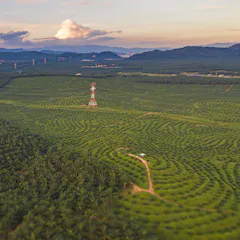
Forests provide an essential buffer between people and wildlife — and the viruses they carry. Global agriculture is destroying forests, harming biodiversity and may be putting human life at risk.

Plenty of species are susceptible to infection, but during the pandemic only mink seem to have passed the virus on to humans.
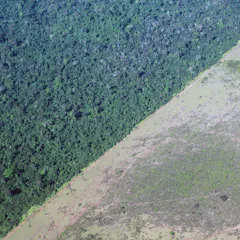
A new study estimates that $22 billion to $30 billion dollars per year needs to be spent to maintain forests and reduce the likelihood of a pathogen jumping from wildlife to humans.
Top contributors
-

Directeur régional Asie du Sud-Est, vétérinaire et épidémiologiste, Cirad
-
Professor of Infectious Diseases, Monash University
-
Chercheuse en épidémiologie, Cirad
-
Professor of Bioethics & Medicine, Sydney Health Ethics, Haematologist/BMT Physician, Royal North Shore Hospital and Director, Praxis Australia, University of Sydney
-
Lawyer, Queensland University of Technology
-
Sydney Horizon Fellow, veterinarian and wildlife disease ecologist, University of Sydney
-
Professor of Veterinary Infectious Diseases, University of Liverpool and International Livestock Research Institute, Kenya, University of Liverpool
-
Catedrático de Microbiología. Miembro de la Sociedad Española de Microbiología, Universidad de Salamanca
-
Deputy head of ASTRE research unit, epidemiologist, Cirad
-
Emeritus Professor, infectious disease ecology, Griffith University
-
Veterinarian epidemiologist, Cirad
-
Anthropologie, EHESS, CNRS, Laboratoire d'anthropologie sociale, Collège de France, Auteurs historiques The Conversation France
-
Dean Faculty of Sciences and Professor in the Department of Microbiology, Stellenbosch University
-
NHMRC Leadership Fellow and Professor of Virology, University of Sydney
-
Researcher, socio-economist of animal health, Cirad