

Travel allows us to see the world – and bring foreign diseases home. Here’s why spreading disease is easier than ever.
Articles on Zoonoses
Displaying 81 - 100 of 107 articles
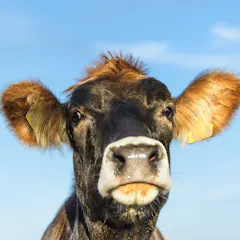
A stomach-churning viral video of an Oregon woman who describes removing cattle eyeworms from her eye has renewed interest in parasites that jump from animals to humans. Here’s all you need to know.

Pets give us a lot of joy … and sometimes a few diseases.
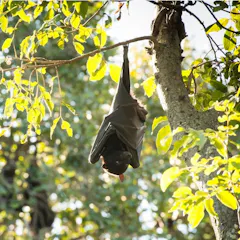
We need balanced media reporting about bat-borne diseases to help avoid vilification of Australia’s under-appreciated creatures of the night.
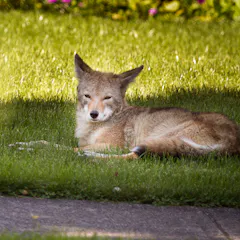
A parasite found in coyotes, wolves and foxes is now spreading to dogs and their owners as its range expands across Canada.
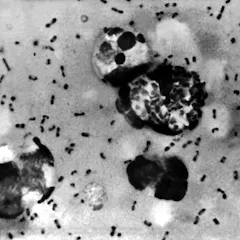
A plague outbreak in Madagascar has killed 170 people. Here’s what you need to know about treatment options and chances it will spread.
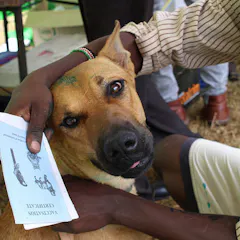
By tackling local threats and controlling existing diseases, countries are able to build the capacity needed to deal with future emerging disease threats.

Twelve thousand years ago everybody lived as hunters and gatherers. But by 5,000 years ago most people lived as farmers. This brief period marked the biggest shift ever in human history with unparalleled…
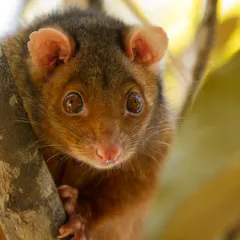
Tularemia is an animal disease that can be transmitted to humans. While it can be fatal, it is rare in Australia and can be treated with antibiotics.
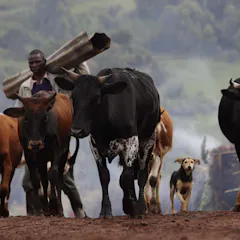
Slaughterhouses are an essential step in meat production. Hygiene standards need to be maintained to prevent the spread of diseases.
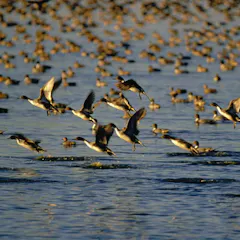
Studies of animal-human interactions in various settings could perhaps help prevent bird flu and the mass slaughter of animals it inevitably leads to.
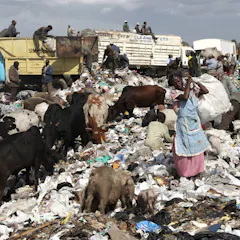
Africa’s cities are melting pots of activity and interaction. There are fears that the continent’s next major modern disease crisis will emerge from them.

But what are the risks?
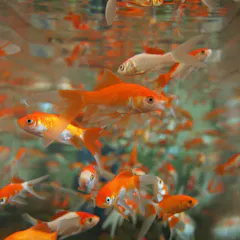
Many pet fish end up in ponds, fountains and waterways. But before ditching your goldfish in the park, stop and think about the viruses you could also be releasing.
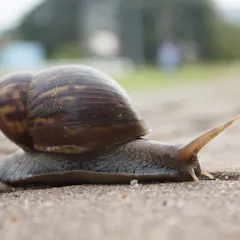
Around 5% of common garden snails in and around Sydney contain larvae of the parasite Angiostrongylus cantonensis, commonly known as the rat lungworm.

Extragalactic astrophysicists want to know how and why galaxies stop forming stars, change their shape and fade away. With help from citizen scientists, they’re figuring it out.

Public attention is focused on whether we should use gene editing technology on embryos, but it could potentially have a bigger and more immediate impact on human health via animal organ donation.
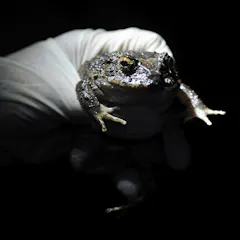
As much as animals may pass on viruses to humans, humans pass on viruses which are sometimes lethal to the animal world as well.

Household pets are often a great source of joy and have positive effects on our mental well-being. For most of us, this outweighs the risk of coming into contact with the bugs they may carry.

Along with better strategies to respond to outbreaks in human populations, we need a stronger focus on surveillance in animals to identify infectious diseases before they pose a risk to human health.
Top contributors
-

Directeur régional Asie du Sud-Est, vétérinaire et épidémiologiste, Cirad
-
Professor of Infectious Diseases, Monash University
-
Chercheuse en épidémiologie, Cirad
-
Professor of Bioethics & Medicine, Sydney Health Ethics, Haematologist/BMT Physician, Royal North Shore Hospital and Director, Praxis Australia, University of Sydney
-
Lawyer, Queensland University of Technology
-
Sydney Horizon Fellow, veterinarian and wildlife disease ecologist, University of Sydney
-
Professor of Veterinary Infectious Diseases, University of Liverpool and International Livestock Research Institute, Kenya, University of Liverpool
-
Catedrático de Microbiología. Miembro de la Sociedad Española de Microbiología, Universidad de Salamanca
-
Deputy head of ASTRE research unit, epidemiologist, Cirad
-
Emeritus Professor, infectious disease ecology, Griffith University
-
Veterinarian epidemiologist, Cirad
-
Anthropologie, EHESS, CNRS, Laboratoire d'anthropologie sociale, Collège de France, Auteurs historiques The Conversation France
-
Dean Faculty of Sciences and Professor in the Department of Microbiology, Stellenbosch University
-
NHMRC Leadership Fellow and Professor of Virology, University of Sydney
-
Researcher, socio-economist of animal health, Cirad