
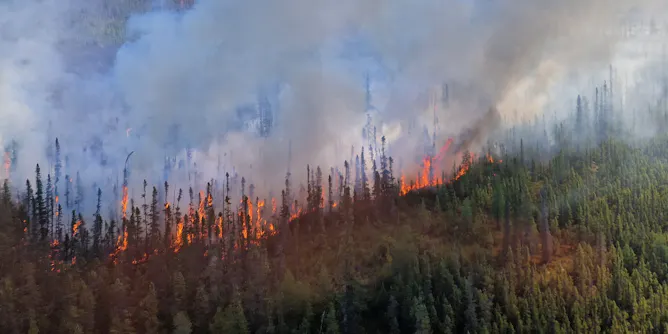
Zombie fires smoulder through the winter and reignite in the early spring. How these fires behave is not well understood, but they can contribute to an earlier and longer fire season.
Articles on Wildfires
Displaying 281 - 300 of 575 articles
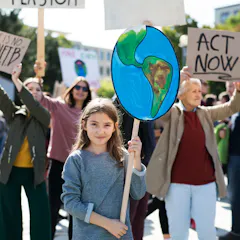
Discussing climate change with children is important, and the three Es can help facilitate these discussions.

Many response decisions to crises cannot be made in advance because each event is unique and has its own specific characteristics. But it is still possible to prepare for the future.
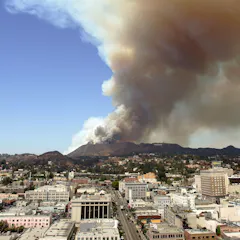
Nearly 22 million people lived within 3 miles of a US wildfire in the past two decades. A new study tracking their locations flips the script on who is at risk.
Orangutans are vocal animals, so analyzing their calls during events like wildfires can indicate how smoke is affecting their health.
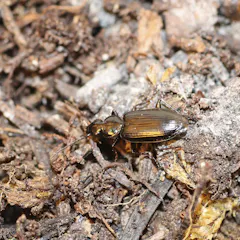
If the spring fire season in Canada is any indication, fire-loving pyrophilic insects will continue to thrive well into summer.
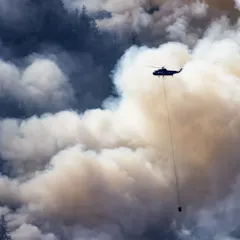
Canada has had over 2,000 wildfires already this year – here’s why.
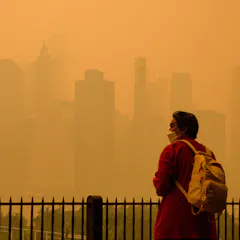
So much pollution goes into the air today that even without wildfire smoke, 99% of the global population breathes unhealthy air.

2016 was the world’s warmest year on record, due in part to a very strong El Niño event. But 2023 (and 2024) could beat that record – what should we expect?

Creating a federal agency — let’s call it the Emergency Management Agency of Canada or EMAC — would support comprehensive emergency management as Canada faces more and more natural disasters.

Predicting how wildfires will behave is a complex endeavour, and requires sophisticated simulation models.

Answers to some of the most common questions about wildfire smoke, health risks and the air quality situation affecting most of North America.

Building a culture where fire is respected rather than feared is essential to maintain resilient landscapes.

A ‘greenhushing’ campaign is targeting insurers, who have the power to accelerate the transition to cleaner energy in how they write policies and invest.

There is an alarming lack of disaster preparedness plans in Canada that consider the unique risks and needs of unhoused people during wildfires.

Fireworks can frighten wild and domestic animals, start wildfires and affect some people’s mental health.

School systems need to wake up from ‘business as usual’ learning. Teachers can draw on terror management theory in their work on the front lines with students navigating the climate crisis.

Fires in Canada have sent smoke across several US states, leaving cities including New York, Chicago and Denver with some of the worst air quality in the world – even far from the flames.

High-risk, high-uncertainty events like earthquakes tend to fall out of view when we are occupied with more predictable seasonal events like wildfires, which have very visible effects on our lives.
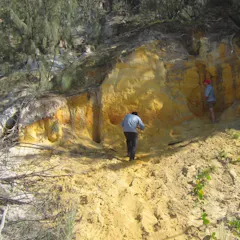
Until now, a limitation of records of past fires is that these have come from sediments laid down in lakes and bogs. Records for dryland regions have been lacking, but dune deposits can fill the gap.
Top contributors
-

Professor of Pyrogeography and Fire Science, University of Tasmania
-
Associate Professor of Civil Engineering, Boise State University; United Nations University
-
Professor of Civil, Environmental and Ecological Engineering, Purdue University
-
Professor of Geography and Director of the Centre for Wildfire Research, Swansea University
-
Professor of Engineering, University of California, Merced
-
Assistant Professor of Environmental and Radiological Health Sciences, Colorado State University
-
Fellow, Queen's Institute for Energy and Environmental Policy, School of Policy Studies, Queen's University, Ontario
-
Tenured Scientist (IMB-CSIC, Spain) & Honorary Associate Prof. (SU, UK), Swansea University
-
Wildfire Specialist, University of California Cooperative Extension; Adjunct Professor at the Bren School, University of California at Santa Barbara, University of California, Santa Barbara
-
Emeritus Professor of Life Sciences, Arizona State University
-
Professor of Geology and Environmental Geosciences, University of Dayton
-
Professor, Disaster & Emergency Management, Faculty of Liberal Arts & Professional Studies & Director, CIFAL York, York University, Canada
-
Professor of Fire Ecology, University of Montana
-
Research Fellow in Environmental Science, University of Tasmania
-
Reader in Cultural Geography and Communication, University of Westminster