
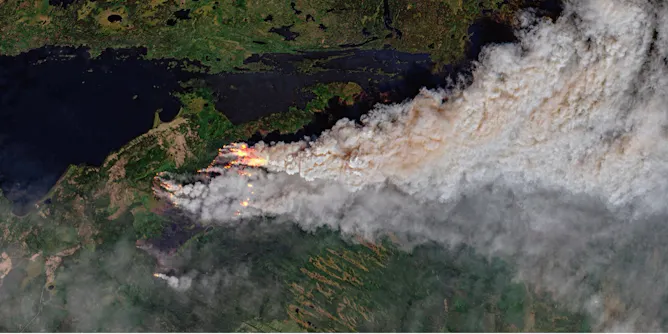
North America’s boreal forests have been burning a lot, probably more and more over the past 60 years. Yet the long-term trend indicates that they are burning less than they were 150 years ago.
Articles on Wildfires
Displaying 301 - 320 of 575 articles
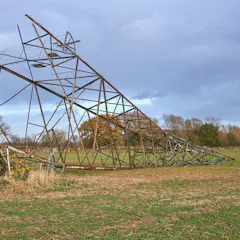
Extreme weather is a threat to the UK’s electricity system – and climate change is likely to make it even worse.

New research shows that northern peatlands may not help regulate our climate by the end of the century.
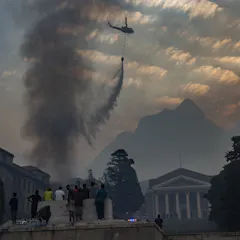
Autumn extreme fire weather around Cape Town in South Africa has become 90% more likely in a warmer world.
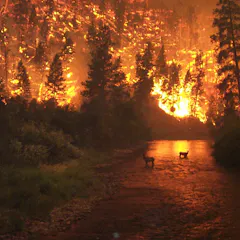
Fires here can affect meltwater timing and water quality, worsen erosion that triggers mudslides, and much more, as two scientists explain.
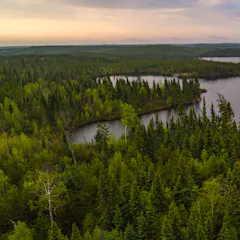
Canada’s boreal forest is affected by global warming, climate change and the frequency of forest fires.
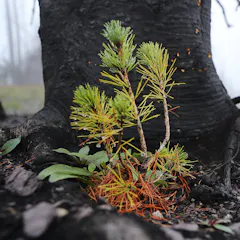
Over 50 fire ecologists across the Western U.S. took an unprecedented look at how forests in thousands of locations are recovering from fire in a changing climate. The results were alarming.
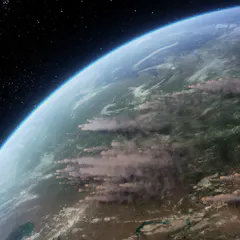
New research shows boreal forests comprised 23% of global wildfire emissions in 2021, up from 10% in a typical year.
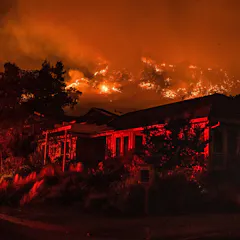
More homes are burning in wildfires in nearly every Western state. The reason? Humans.
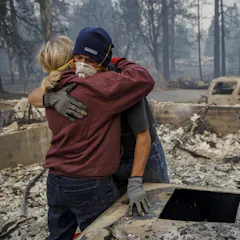
A new neuropsychology study on California wildfire survivors found chronic cognitive problems in addition to anxiety and PTSD.
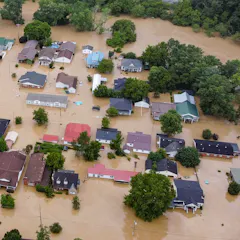
A monster hurricane, destructive storms and a drought that disrupted businesses across the economy led the list of the year’s costliest disasters.
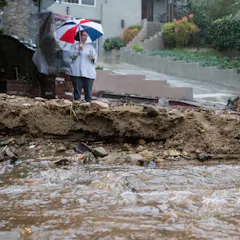
Mudslides start with destabilized land, often from wildfires, and then rain drives the cascading disaster.
African leaders must take radical actions to strengthen the continent’s voice and participation in future events.
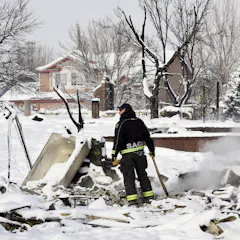
Noxious smells and blowing ash initially made the homes unlivable. But even after their homes were cleaned, some residents still reported health effects months later.

Millions of people around the world suffered through deadly flooding and long-lasting heat waves in 2022. A climate scientist explains the rising risks.
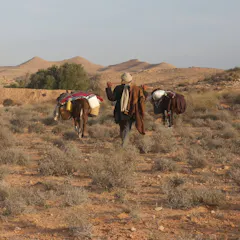
Pastoral communities should be included in conservation initiatives – but the ecology of pastoral lands has long been misunderstood.
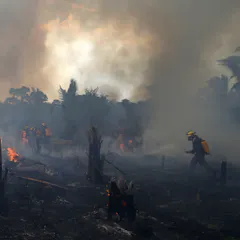
Climate change is raising the number of days the Earth passes crucial thresholds of fire risk. But urgently cutting emissions can avoid the worst.
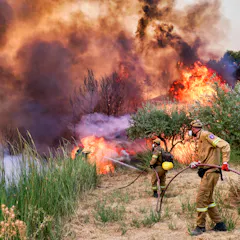
Atmospheric dust storms often follow wildfires and have serious impacts on human health and ecology.
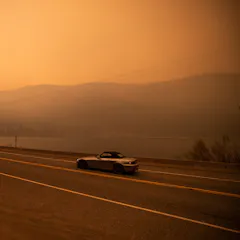
Brown carbon refers to a range of pollutants found in smoke from wildfires. They can contribute to global warming before they undergo a process that alters their chemical properties.

Wildfires are remaking western US forests. Decisions about managing forests that have burned should factor in how fires change animal behavior and interactions between predators and prey.
Top contributors
-

Professor of Pyrogeography and Fire Science, University of Tasmania
-
Associate Professor of Civil Engineering, Boise State University; United Nations University
-
Professor of Civil, Environmental and Ecological Engineering, Purdue University
-
Professor of Geography and Director of the Centre for Wildfire Research, Swansea University
-
Professor of Engineering, University of California, Merced
-
Assistant Professor of Environmental and Radiological Health Sciences, Colorado State University
-
Fellow, Queen's Institute for Energy and Environmental Policy, School of Policy Studies, Queen's University, Ontario
-
Tenured Scientist (IMB-CSIC, Spain) & Honorary Associate Prof. (SU, UK), Swansea University
-
Wildfire Specialist, University of California Cooperative Extension; Adjunct Professor at the Bren School, University of California at Santa Barbara, University of California, Santa Barbara
-
Emeritus Professor of Life Sciences, Arizona State University
-
Professor of Geology and Environmental Geosciences, University of Dayton
-
Professor, Disaster & Emergency Management, Faculty of Liberal Arts & Professional Studies & Director, CIFAL York, York University, Canada
-
Professor of Fire Ecology, University of Montana
-
Research Fellow in Environmental Science, University of Tasmania
-
Reader in Cultural Geography and Communication, University of Westminster