
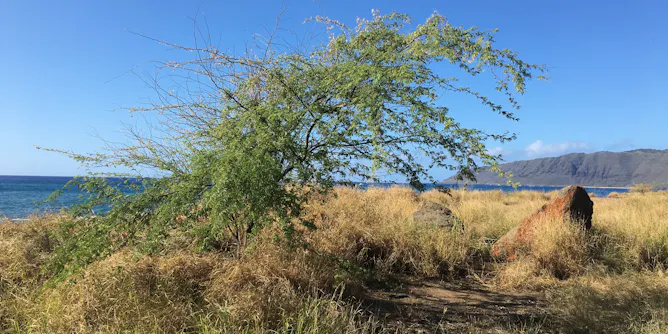
Projections for Hawaii’s climate future are raising concerns about fire risk, ecosystems and freshwater supplies for homes and agriculture.
Articles on Wildfires
Displaying 261 - 280 of 575 articles

Humans (particularly those in the Northern Hemisphere) generally prefer the heat, a bias which has hampered effective climate communications for decades.
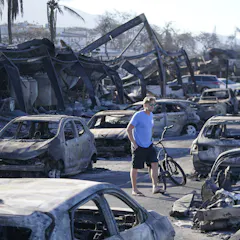
Maui County issued an ‘unsafe water’ alert and urged precautions. Residents can face several toxic hazards from fires, as an expert in the chemical risks from fires explains.

The region of Maui has been revered by its Indigenous peoples as a sacred place for generations. It is believed to be the home of Kihawahine, a woman who transformed into a goddess.

An expert on Puerto Rico’s recovery from Hurricane Maria explains why it’s hard for the US to deliver disaster aid in places like Hawaii and Puerto Rico.
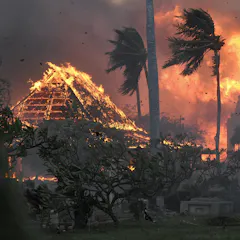
As I hear reports of the fire tearing through Maui, I feel utterly depressed. As a fire scientist, I know the unfolding horror is just the beginning in our warmer world.

As extreme weather events increase in frequency and severity, many Canadians are still unaware of how to prepare for a natural disaster.
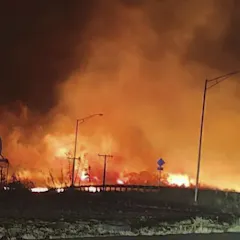
Human exposure to wildfires in the US more than doubled in the past two decades. A climate scientist looks at who is at risk and why.
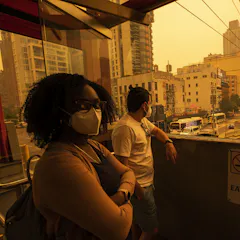
Air quality forecasting is getting better, thanks in part to AI. That’s good, given the health impact of air pollution. An environmental engineer explains how systems warn of incoming smog or smoke.
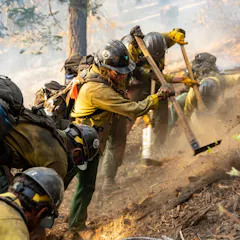
Twenty-five years of research show what it takes to fuel wildland firefighters through an average day, and the toll the long seasonal work takes on their bodies.
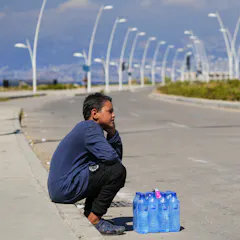
Climate anxiety is real and must be considered as a core component of any climate mitigation or adaptation and resilience strategy.

Climate change board games can help players grasp the issues by experiencing them first-hand.
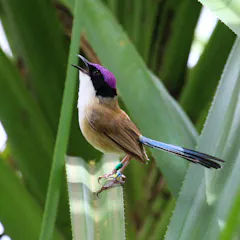
A study of purple-crowned fairy-wrens offers lessons for fire management along waterways in tropical savanna ecosystems.
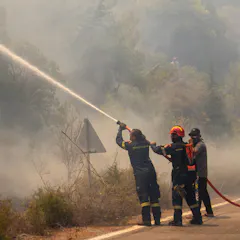
Climate change promotes ideal conditions for catastrophic fires, but the most drastic changes can still be avoided.
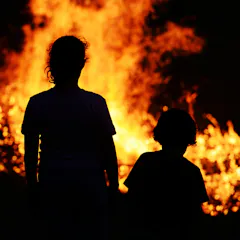
Three tips from climate communication research on how to talk about climate change during extreme weather events.
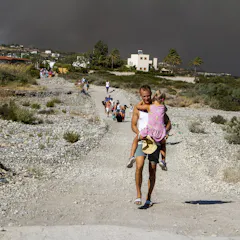
No one plans a European holiday thinking of fleeing from fire or sheltering from intense heat. But the climate crisis is forcing a reckoning – tourism as we knew it will have to change.

With tourists flocking in droves to ‘experience’ heat waves, perhaps it’s time for everyone to take a good hard look at their individual contribution to global warming.
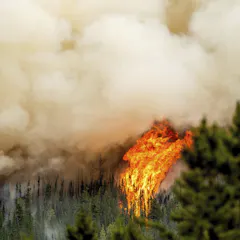
To effectively address climate hazards like wildfire, we must consider the diverse experiences of people, account for longstanding institutions and create processes that empower local people.
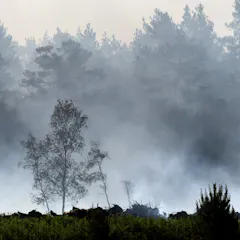
Large stretches of the Arctic are carbon-rich peat bogs. As the region warms and dries, lightning strikes can spark underground fires that can burn for years.
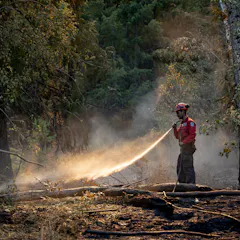
Effective collaboration may be a key to minimizing impacts of the growing wildfire season in Canada.
Top contributors
-

Professor of Pyrogeography and Fire Science, University of Tasmania
-
Associate Professor of Civil Engineering, Boise State University; United Nations University
-
Professor of Civil, Environmental and Ecological Engineering, Purdue University
-
Professor of Geography and Director of the Centre for Wildfire Research, Swansea University
-
Professor of Engineering, University of California, Merced
-
Assistant Professor of Environmental and Radiological Health Sciences, Colorado State University
-
Fellow, Queen's Institute for Energy and Environmental Policy, School of Policy Studies, Queen's University, Ontario
-
Tenured Scientist (IMB-CSIC, Spain) & Honorary Associate Prof. (SU, UK), Swansea University
-
Wildfire Specialist, University of California Cooperative Extension; Adjunct Professor at the Bren School, University of California at Santa Barbara, University of California, Santa Barbara
-
Emeritus Professor of Life Sciences, Arizona State University
-
Professor of Geology and Environmental Geosciences, University of Dayton
-
Professor, Disaster & Emergency Management, Faculty of Liberal Arts & Professional Studies & Director, CIFAL York, York University, Canada
-
Professor of Fire Ecology, University of Montana
-
Research Fellow in Environmental Science, University of Tasmania
-
Reader in Cultural Geography and Communication, University of Westminster