
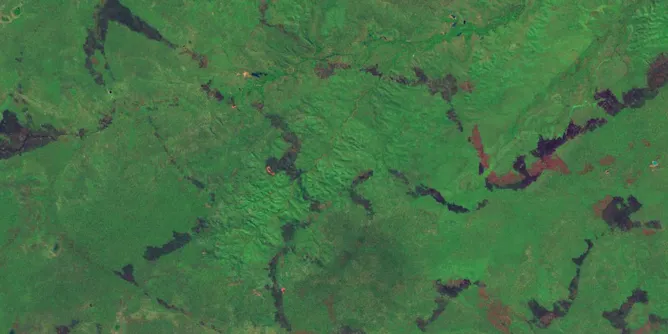
Satellite data and traditional know-how combined have drastically reduced fires across northern Australia over the past 20 years.
Articles on Wildfire management
Displaying 21 - 40 of 40 articles
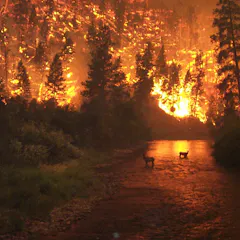
Fires here can affect meltwater timing and water quality, worsen erosion that triggers mudslides, and much more, as two scientists explain.
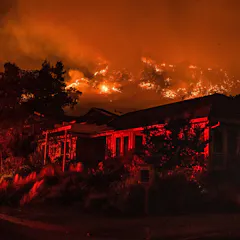
More homes are burning in wildfires in nearly every Western state. The reason? Humans.
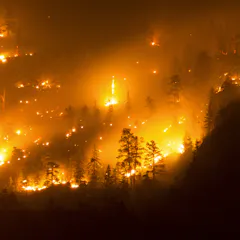
The wildfires of the past were as fierce, deadly and eerily similar to the ones we have today. And we have yet to learn to live with them.
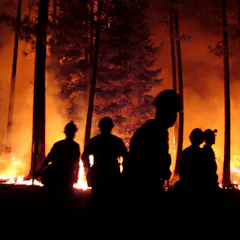
Dry, windy conditions have fueled destructive wildfires in Texas, Florida and other states in 2022. Understanding these terms can help people in fire-risk areas prepare.

After another devastating wildfire year in the West, the Biden administration has a plan to ramp up forest thinning and prescribed burns. Two foresters explain why these projects are so important.
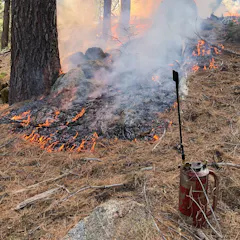
Two forest researchers whose own communities were threatened by fires in 2021 explain how historic policies left forests at high risk of megafires.
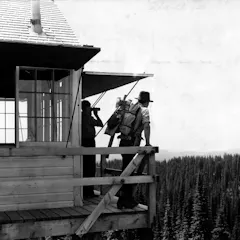
The US has learned that it cannot suppress its way to a healthy relationship with fire in the West. That strategy failed, even before climate change proved it to be no strategy at all.

Large and out-of-control wildfires can seriously damage ecosystems, but Indigenous fire practices can keep ecosystems healthy and resilient, and even increase biodiversity.
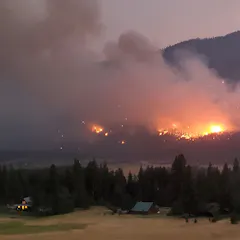
More than 40 fire scientists and forest ecologists in the US and Canada teamed up to investigate why wildfires are getting more extreme. Climate change is part of the problem, but there’s more.
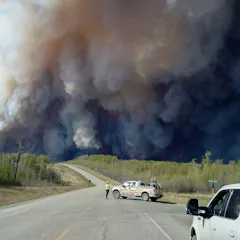
Efforts to predict wildfire risk and to prioritize mitigation efforts aren’t enough. We must prepare for fire disasters wherever possible and decide what we’ll do when they happen.
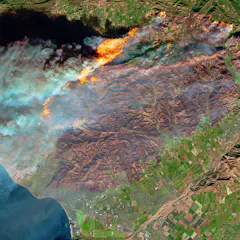
Satellites can already spot a new fire within minutes, but the information they beam back to Earth isn’t getting to everyone who needs it or used as well as it could be.

Recent wildfire seasons have been worsened by climate change. But wildfires also lead to additional climate warming when they release carbon dioxide to the atmosphere.
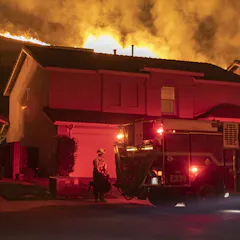
A fire scientist offers a six-point strategy for preventing wildfires and living safely in flammable landscapes.
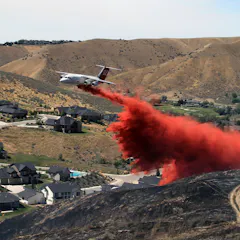
Wildfires aren’t always wild. Many of the most expensive and damaging fires happen in suburban areas, and nearly all blazes in these zones are started by humans.

Debating whether climate change or forest management has caused the devastating wildfires in California, Washington and Oregon is a false choice.
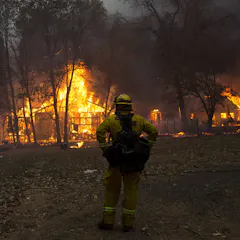
During California’s deadliest wildfire season, 2,000 prison inmates fought the flames on USD$1 a day.

Emergency responders and military personnel need to think creatively – even imaginatively – to save lives under pressure. Analyzing the Grenfell Tower Fire in London reveals useful lessons.

A researcher based in Fairbanks, Alaska, links 2019’s record-breaking wildfires in far northern regions of the world to climate change, and describes what it’s like as zones near her city burn.
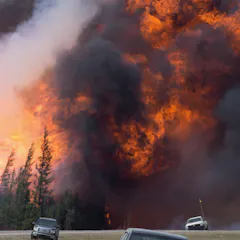
As unlikely as it may sound, a new approach for fighting the destruction of wildfires in Canada’s boreal region may lie in wetlands packed with soaking layers of peat and topped with living moss.
Top contributors
-

Associate Professor of Geography and Director, Earth Lab, University of Colorado Boulder
-
Cooperative Extension Forester and Natural Resources Advisor, University of California, Division of Agriculture and Natural Resources
-
Senior research fellow, Charles Darwin University
-
Associate Professor of Civil Engineering, Boise State University; United Nations University
-
Cooperative Extension Forester and Natural Resources Advisor, University of California, Division of Agriculture and Natural Resources
-
Director of the Earth Lab Analytics Hub, University of Colorado Boulder
-
Ph.D. Student, Dept. of Geography, University of Colorado Boulder
-
Honorary Senior Research Fellow, University of Wollongong
-
Senior Research Fellow, ARC Centre of Excellence for Indigenous and Environmental Histories and Futures, and College of Science and Engineering, James Cook University
-
Honorary Associate Professor, Fire Ecology and Management, The University of Melbourne
-
Researcher in Residence, Pacific Institute for Climate Solutions, University of Victoria
-
Professor, Department of Plant Science, University of Saskatchewan
-
Research assistant professor, University of Alaska Fairbanks
-
Assistant professor, Resource and Environmental Management, Simon Fraser University
-
NAFI Service Manager and Knowledge and Adoption Coordinator, Charles Darwin University