
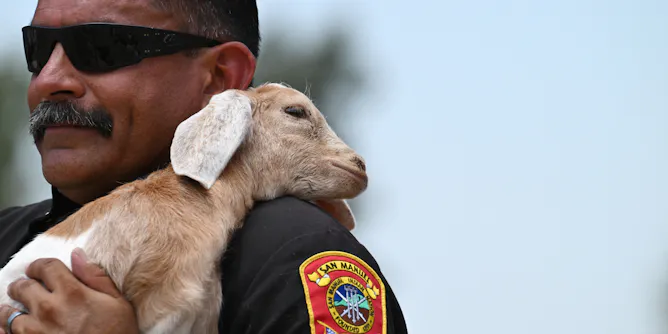
Targeted grazing is gaining interest as fire risk rises, particularly in hard-to-manage areas of the Western US. But it isn’t always as simple as it seems.
Articles on US West
Displaying 1 - 20 of 73 articles
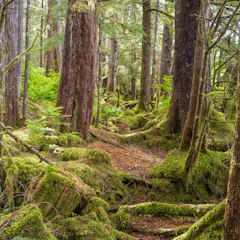
The courts have rejected similar arguments before. Meanwhile, maintenance costs are rising, and the Forest Service’s own data contradicts the administration’s wildfire claims.
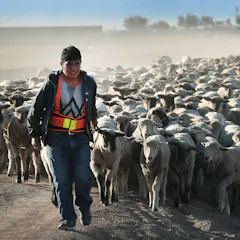
Whether in Kenya or California, herders face dangerous temperatures and difficult conditions that put a strain on their health.
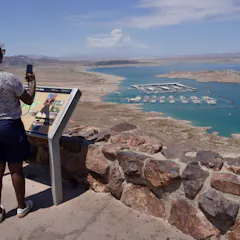
The existing plans and commitments to reduce water use don’t add up to even half of the savings that are needed to keep the river flowing.
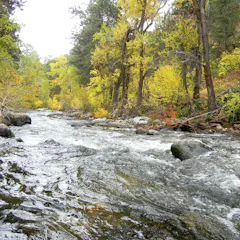
Understanding what happened in these forests 56 million years ago may help humanity recognize similar thresholds before we cross them again, the lead author of a new study writes.
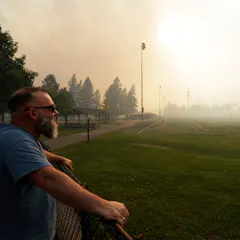
Extreme fire conditions converged in suburban neighborhoods built into the forests, shrubland and grasslands and quickly spread.
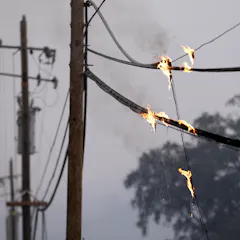
Utilities face a dilemma: How to deliver power through dry, windy regions without accidentally starting a catastrophic fire.

They’re called rock glaciers, and they might not look like much, but they’ll continue to provide meltwater after the world’s iconic white glaciers are gone.
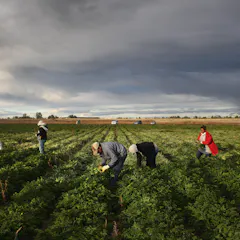
Latinos were the first Coloradans, and yet they are portrayed by the administration as intruders in an era of immigration enforcement.
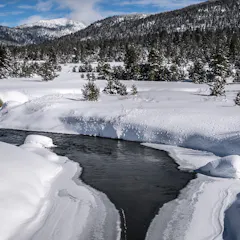
Streamflows the West relies on for drinking water and farms used to follow a fairly predictable arc as winter snow melted. Rising temperatures are changing that.
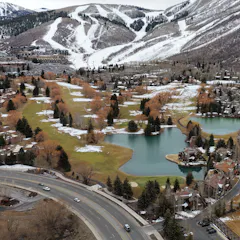
The 2026 water year has been anything but ordinary. In fact, its snow drought has few parallels in recent history.
The Interior Department manages about one-fifth of all US land. Its secretary mediates among many competing uses for it, from recreation to energy production.
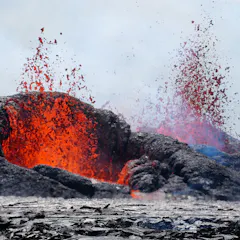
We don’t generate power directly from volcanoes, but their presence is a sign that there are good geothermal resources underground that can be tapped.
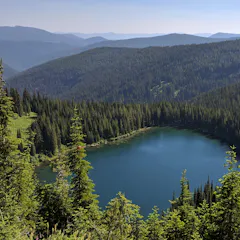
As the climate warms, devastating fires are increasingly likely. The 2020 fires pushed the Southern Rockies beyond the historical average. Is there hope for the Northern Rockies?
By a narrow margin, the Supreme Court has ruled against the Navajo Nation in a case over water rights in the drought-stricken US Southwest.
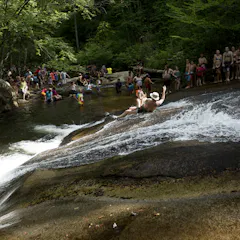
Crowding is increasingly affecting all kinds of public lands. Adjoining communities need to find ways to manage it, or risk harm to the attractions that make them a destination.
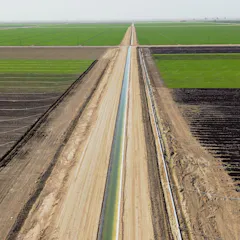
Southwest states have bought time with an agreement between California, Arizona and Nevada to cut Colorado River water use by about 14%. Now comes the hard part.
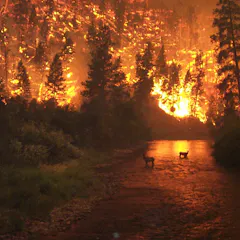
Fires here can affect meltwater timing and water quality, worsen erosion that triggers mudslides, and much more, as two scientists explain.
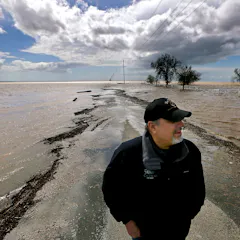
This year’s Sierra snowpack is looking a lot like 1983’s, and that was a year of flooding and mudslide disasters. A meteorologist explains what’s ahead.
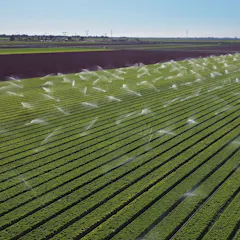
Two decades of drought have reduced the river’s flow by one-third compared to historical averages. The Biden administration is considering mandatory cuts to some states’ water allocations.
Top contributors
-

Regents Professor Emeritus and Morris K. Udall Professor of Law & Public Policy Emeritus, University of Arizona
-
Professor of Fire Ecology, University of Montana
-
Associate Professor of Civil Engineering, Boise State University; United Nations University
-
Associate Professor of Geography and Director, Earth Lab, University of Colorado Boulder
-
W. M. Keck Professor of Environmental Analysis and History, Pomona College
-
Professor of Engineering, University of California, Merced
-
Cecil D. Andrus Endowed Chair for Environment and Public Lands and University Distinguished Professor, Boise State University
-
Senior Research Scientist, Colorado Water Institute, Colorado State University
-
Professor Emeritus of Political Science, University of Utah
-
Research Associate in Climate Science, Massachusetts Institute of Technology (MIT)
-
Samual A. Graham Dean, and William B. Stapp Collegiate Professor of Environmental Education, School for Environment and Sustainability, University of Michigan
-
Professor of Practice in Water Policy and Governance and Director, Water Resources Program, University of New Mexico
-
Senior Research Associate and Director, Western Water Policy Program, University of Colorado Boulder
-
Research Scientist in Ecological Transformation, University of Colorado Boulder
-
Professor of Paleoclimatology and Paleoecology, University of Wyoming