
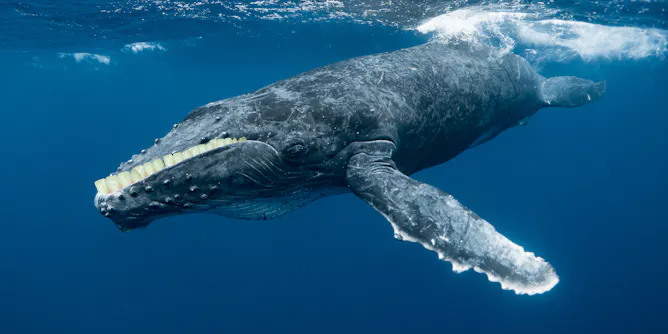
It’s all based on their diet and how they capture their food. But did you know some whales do have teeth?
Articles on Whales
Displaying 81 - 100 of 202 articles
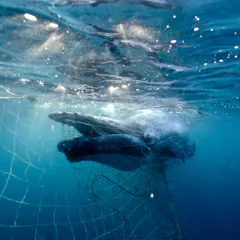
I’ve seen whale entanglement in shark nets firsthand, when a humpback whale calf drowned in one a few years back. It was terrible.
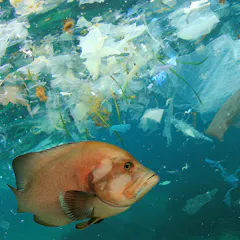
We need to advance our understanding of the effects of microplastics on aquatic ecosystems, especially on small animals at the base of food webs that might be ingesting more of these particles.
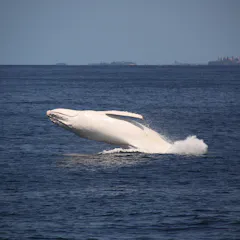
Migaloo, where are you? How searching for the iconic white humpback whale connects us all with the ocean.
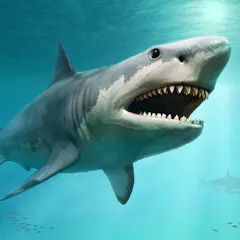
A terrifying sight in ancient waters, the megalodon shark was once the most feared creature in the sea.
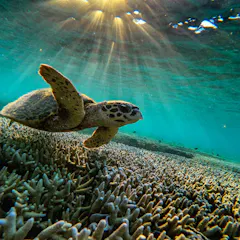
Many of Africa’s large aquatic animals, such as dolphins, manatees and turtles, are being killed for meat.
Using our oceans as carbon sinks could help achieve climate goals set in the most recent IPCC report.

Whale species at higher risk of predation from killer whales are more adversely affected by the sound of sonar.
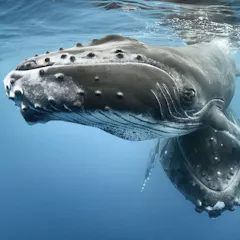
A new report shed light on the migratory routes of 1,000 whales worldwide.

It’s usually good news when a once-scarce species starts to recover – unless it starts getting in humans’ way. An ecologist explains how science can help predict unwelcome encounters.
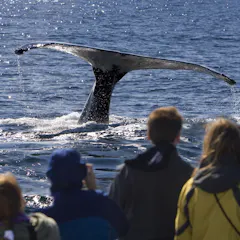
Whether you’re on the shore or a boat, seeing these giant mammals rise from the depths is always special. Knowing how to go about spotting a whale will improve your odds of experiencing this thrill.
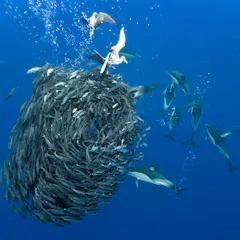
There are some important issues to consider to best help marine species such as Atlantic puffins, bottlenose dolphins and orcas.
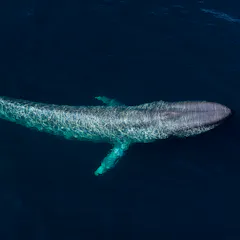
There have been just six verified sightings of the pygmy blue whale off Sydney in 18 years. Rare sightings like these are crucial, because the giants are considered ‘data deficient’.
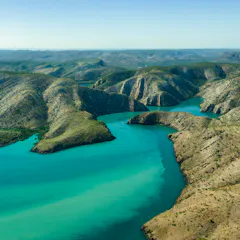
Traditional ecological and cultural wisdom was embraced and valued, enhancing Western scientific knowledge of a beautiful, fragile marine area.
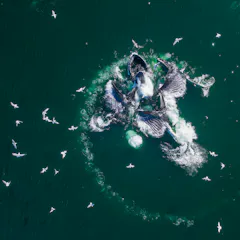
Bubble-net feeding is when whales blow bubbles from their nose to encircle their food, trapping their prey into a tight ball. A citizen scientist was the first to capture this behaviour in Australia.
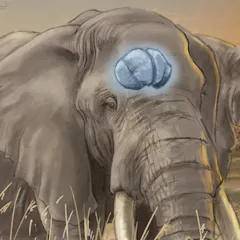
Some animals, such as California sea lions, have small brains relative to their body size, but are still impressively intelligent, showing brain evolution is even more complex than it appears.

The cetacean brain has a specialised thermogenic system that helps the animal’s brain to produce enough heat to maintain a functional brain temperature.
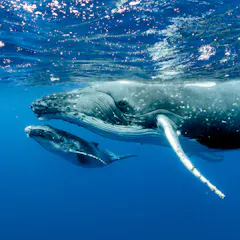
Australia is considering removing humpback whales from the threatened species list after their numbers rebounded in recent decades. But the mammals face new threats.
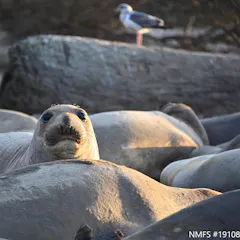
By measuring how and when elephant seals sleep, researchers were able to figure out how elephant seals change their risk-taking behavior as they gain weight.

Through the whale’s journey from life to death, Caleb escapes the emotional toll of his situation, and finds his path forward.
Top contributors
-

Whale Scientist and Lecturer, Faculty of Science and Engineering, Macquarie University
-
Research Fellow in Marine Science and Manager Whales & Climate Program, Griffith University
-
Curator of Vertebrates, Museum of New Zealand Te Papa Tongarewa
-
Adjunct Professor, Institute for Marine and Antarctic Studies, University of Tasmania
-
Professor Evolution & Ecology, UNSW
-
Reader in Biology, University of St Andrews
-
Honorary Professor at Bangor University; Director of Sea Watch Foundation, Bangor University
-
Adjunct Research Associate, Monash University
-
Senior Curator, Vertebrate Palaeontology, Museums Victoria Research Institute
-
Senior Researcher in Marine Biology, Aarhus University
-
Lecturer, UWA Oceans Institute, The University of Western Australia
-
Antarctic Law Researcher, Institute for Marine and Antarctic Studies and the Antarctic Climate and Ecosystems CRC, University of Tasmania
-
Associate Professor, School of Science, Edith Cowan University
-
Professor of Ocean Sciences, University of California, Santa Cruz
-
Lecturer in Ecology, Scotland's Rural College