
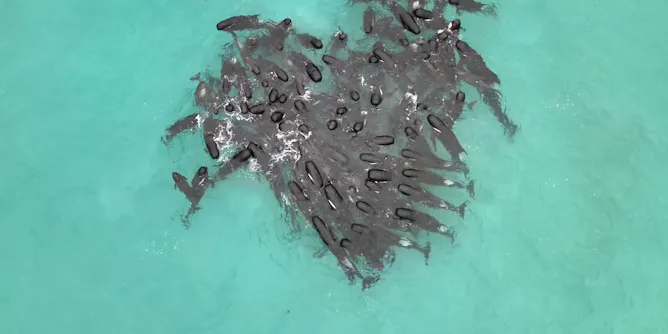
Sadly, the chances of survival for the remaining whales is very low – and time is fast running out.
Articles on Whales
Displaying 61 - 80 of 202 articles
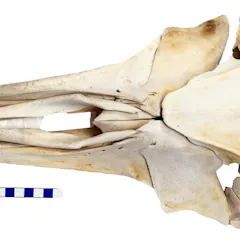
Our new genomic research finally solves a 150 years of scientific mystery about the unusual and ancient pygmy right whale.
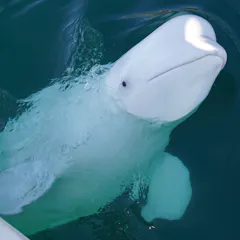
Unusual human-wildlife interactions raise questions about managing the risks. What’s driving these wacky whale antics? How and when should we intervene?
Three debut Australian novels explore diverse territory: the recognisable real world of parental estrangement, and a dystopian near-future where it never stops raining.
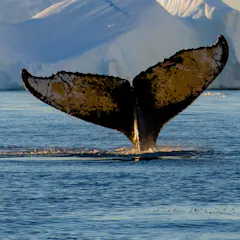
We want good news on climate change. But whales storing enough carbon needs more evidence.

The multi-billion-dollar whale-watching industry enables millions of people to see these magnificent creatures up close. But the noise made by so many boats is a threat to whales’ wellbeing.
Ants are skilled surgeons, bacteria have their own internet, and scientists think sperm whales have names.

By analyzing small samples of killer whale fat, scientists can learn about the diets of different killer whale populations. This has implications for our understanding of changing ecosystems.
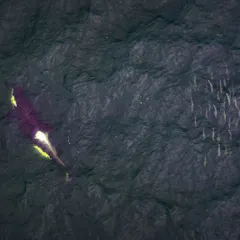
Food quality, not just quantity, matters when it comes to the health and survival of the southern resident killer whales.

Antarctic minke whales are elusive and hard to track – but a new study of their behaviour offers clues to their evolution and the limits of their filter-feeding behaviour.
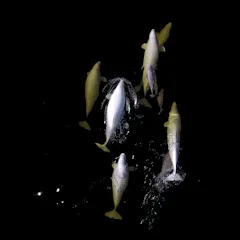
Drones are a new technology that help researchers observe and record whale behaviours from a distance. But if the drones are flown too low, they change the whales’ behaviour.
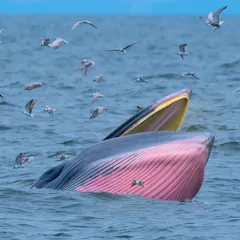
The gaping maws and great belch of the Norse ‘hafgufa’ may well have been a humpback whale simply engaging in trap-feeding.
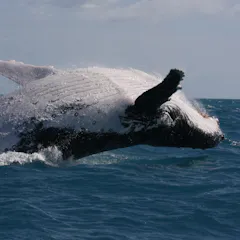
We’ve noticed a clear trend away from singing as a mating tactic among male humpbacks. But it’s probably a pretty good strategy.
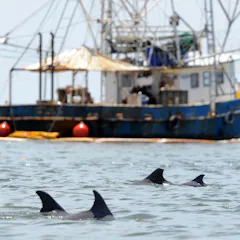
Noisy oceans are having a significant impact on marine life.
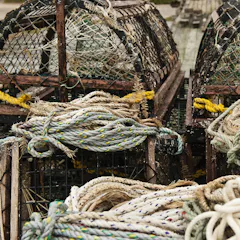
To fish the oceans sustainably, nations must reduce bycatch, or accidental catches. But fishermen often resist changing gear or techniques that kill nontargeted species.

Swimming and surfing in the ocean is fun and invigorating. But sharing the water with animals comes with risks to us and them.
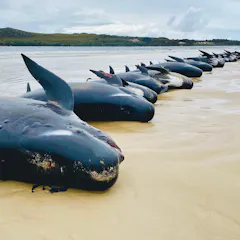
As the dead whales decompose, an astonishing and rare chain of events is likely to flow through the marine ecosystem – ultimately leading to an explosion of activity and new life.
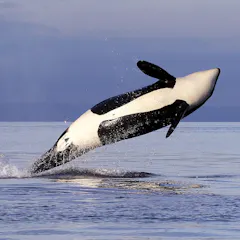
The declining salmon and whale numbers raise a critical question: Is the southern resident killer whale population solely reliant on the abundance of salmon? And, if so, since when?

The scars many whales bear throughout their lives resulting from shark attacks are more than sufficient evidence sharks will have a go if an opportunity arises.
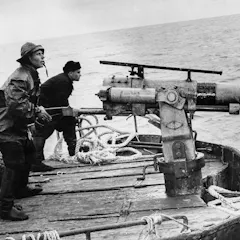
The Soviet Union was a latecomer to industrial whaling, but it slaughtered whales by the thousands once it started and radically under-reported its take to international monitors.
Top contributors
-

Whale Scientist and Lecturer, Faculty of Science and Engineering, Macquarie University
-
Research Fellow in Marine Science and Manager Whales & Climate Program, Griffith University
-
Curator of Vertebrates, Museum of New Zealand Te Papa Tongarewa
-
Adjunct Professor, Institute for Marine and Antarctic Studies, University of Tasmania
-
Professor Evolution & Ecology, UNSW
-
Reader in Biology, University of St Andrews
-
Honorary Professor at Bangor University; Director of Sea Watch Foundation, Bangor University
-
Adjunct Research Associate, Monash University
-
Senior Curator, Vertebrate Palaeontology, Museums Victoria Research Institute
-
Senior Researcher in Marine Biology, Aarhus University
-
Lecturer, UWA Oceans Institute, The University of Western Australia
-
Antarctic Law Researcher, Institute for Marine and Antarctic Studies and the Antarctic Climate and Ecosystems CRC, University of Tasmania
-
Associate Professor, School of Science, Edith Cowan University
-
Professor of Ocean Sciences, University of California, Santa Cruz
-
Lecturer in Ecology, Scotland's Rural College