

Fitness trackers often privilege steps over strength, rest and context, which can leave some users with a distorted view of health.
Articles on Wearables
Displaying 1 - 20 of 44 articles
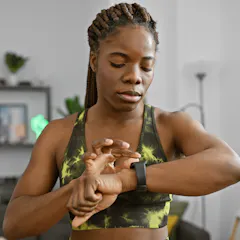
While wearables provide reassurance for some people, for others they increase health anxiety.

With robust governance frameworks, AI-enabled technologies have the potential to make high-risk workplaces safer.
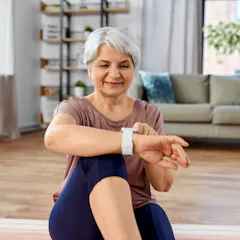
Wearables can be helpful in understanding whether the lifestyle changes you’ve made are having a measurable effect on your heart health.
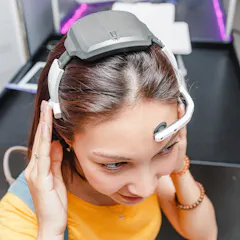
As neural-adaptive electronic wearables become more common, they are quietly reshaping technology, cognition, and society.
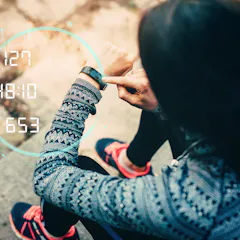
Motion data is well known for improving athletic performance and rehab. Thanks to AI, it’s also turning motion into another vital sign for general health.

AI-powered technologies are increasingly being integrated into assistive technologies like hearing aids and prosthetics. This is changing how the people who use them experience urban space.

Three recent developments in AI – in video games, wearable technology and education – suggest that building something like Stephenson’s Young Lady’s Illustrated Primer is possible.

Your smartwatch or ring promises to tell you how well you slept. But how?

Our study also found that people who used a wearable fitness tracker were three times more likely to still be active a year later.
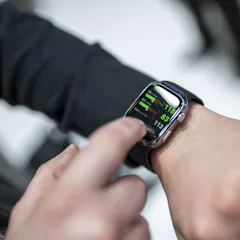
As wearable technologies become more popular, it’s important to consider how they actually work and what their data actually tells us.
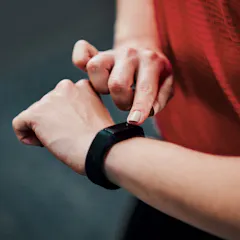
New research shows a lot of data goes into scores like “readiness” and “strain” but it’s not clear how personalised these numbers really are.

AI can process data from wearable devices to better monitor your health and detect problems sooner. The trick is teaching AI algorithms how to cut through the noise.

Formula One racing suits do much more than protect drivers from fire. In fact, they could determine who stands on the podium.

This unsung research area involves 3D-printing smart materials that can change shape when they come into contact with stimuli like heat or light.

Just 2 layers of materials commonly used in biomedical labs can mimic the electrical properties of human skin.

One woman involved in our study realised her husband could be at risk of a heart condition. Her knowledge meant he got diagnosed – and had an urgent, life-saving quadruple bypass surgery soon after.

A new study reveals strengths and weaknesses of the gadgets we use to monitor our lives.
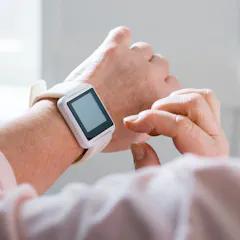
Research shows smartwatches can provide useful information for people with heart conditions – but they can also cause anxiety.
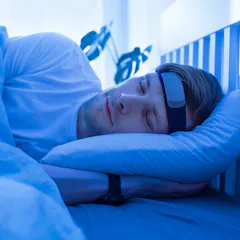
Wearables are on the rise, including a new category: neurotechnology. A headband that can track your brain activity sounds fun, but the data it collects should be stringently protected.
Top contributors
-

Professor of Biomedical Engineering, University at Buffalo
-
Assistant Professor in the School of Public Health, Physiotherapy and Sports Science, University College Dublin
-
Associate Professor of Education, University of Connecticut
-
Professor of Marketing and RBC Financial Group Chair of E-Commerce, HEC Montréal
-
Professor and UNESCO/ICDE Chair in Open Educational Resources, Athabasca University
-
Assistant Professor of Medical Engineering, California Institute of Technology
-
Associate Professor, Sydney School of Public Health, University of Sydney
-
Professor of Microbiology, School of Medicine, University of Washington
-
Director, Enterprise AI and Data Analytics Hub, RMIT University
-
Associate Professor of Digital Health, Monash University
-
Associate Professor, Faculty of Law & Justice; Lead, UNSW Public Interest Law & Tech Initiative, UNSW
-
Doctoral Student in Computer Engineering, Boston University
-
Lecturer, Southern Cross University
-
PhD Researcher - Centre for Intelligent Healthcare, Coventry University
-
Reader in Cyber Security, University of Kent