
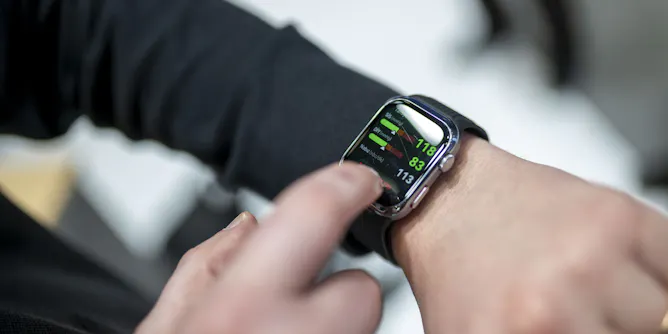
As wearable technologies become more popular, it’s important to consider how they actually work and what their data actually tells us.
Articles on Fitbit
Displaying 1 - 20 of 28 articles

There’s a good reason why an increasing number of businesses are using games and challenges to attract customers - they work.
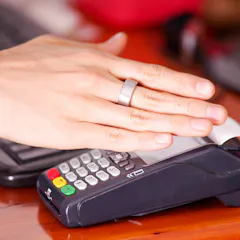
What are the benefits and drawbacks of putting smart technology into a ring?
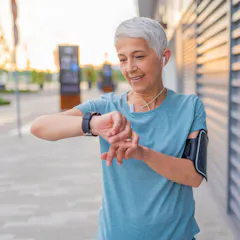
Wearables and smartwatches can track your pulse – but if you’re using them to scan for irregular heart rhythms, there are some things you should know.
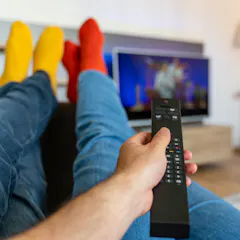
Research is revealing that fitness trackers alone can be helpful facilitators toward changing a sedentary lifestyle but don’t motivate people to increase their physical activity.

About one in five Aussies currently own a wearable fitness tracker of some kind. Yet many people doubt their effectiveness. Let’s see what the research suggests.

Connecting health apps to health care can enable better care for patients with chronic diseases, and it has the potential to lower skyrocketing US health spending.

Even half the amount of steps shows health benefits.
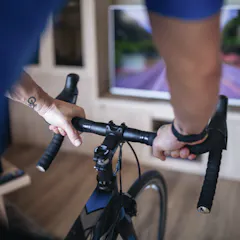
From step counters and active video games to apps for exercisers and tech-enabled gear, there are a lot of ways to combine your workouts with your digital life.

A health law expert explains what the regulation does and doesn’t protect.

Fitness information like resting heart rate collected by wearable devices can’t diagnose diseases, but it can signal when something is wrong. That can be enough to prompt a COVID-19 test.
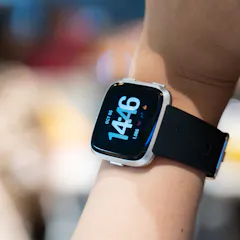
The watchdog has voiced concerns over the proposed US$2.1 billion merger, from which both users and Australian health services could lose out.

Researchers have increasingly turned to DNA sequencing to help identify and track diseases like Ebola.
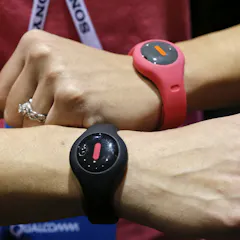
Insurer John Hancock now requires customers to use activity trackers for life insurance policies. Here’s how that will put life insurance and even mortgages out of reach for many people.
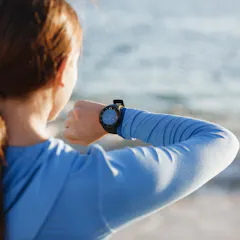
Heart-rate monitors can be accurate – as long as you don’t move.
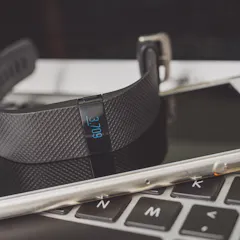
Fitbits and other trackers are just the latest iteration of the fitness industry’s relationship with technology.
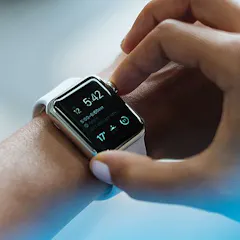
Research shows that people’s social networks, employment conditions and life stages all impact their use of wearable devices. Understanding these factors can help you achieve your fitness goals.

If you sit all day at work, then cancer, diabetes, heart disease and death are the likely outcomes. A cardiologist explains how the simple act of counting can reverse this evolutionary trend.
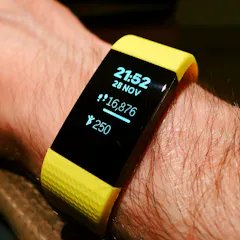
Soon, wearable fitness devices will be able to diagnose diseases. Could that lead insurers to deny coverage to people based on their data alone?
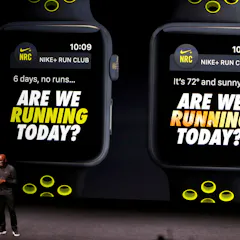
Forget high-end design and cutting-edge communication. The new Watch is a fitness device and heralds a shift for the company – from enabling self-expression to nudging users toward self-mastery.
Top contributors
-

Professor, Biomedical and Health Information Sciences, University of Illinois Chicago
-
Reader in Computer Science and Leader of Software and Systems Engineering Research, Keele University
-
Postdoctoral Research Fellow, University of Edinburgh
-
Associate Professor of Biomedical Engineering, George Washington University
-
PhD Candidate, Loughborough University
-
PhD Researcher, University of Beira Interior
-
Director of UWA Centre for Software Practice, The University of Western Australia
-
Postdoctoral Fellow, Paediatric Sleep, Monash University
-
Professor of Media & Communication, Muhlenberg College
-
Computational biologist, University of Oxford
-
Keele University
-
Associate professor, Queen's University, Ontario
-
SHARP Professor, Vitalities Lab, Centre for Social Research in Health and Social Policy Centre, and the ARC Centre of Excellence for Automated Decision-Making and Society, UNSW
-
Associate Professor of Medicine and Senior Scientist, Toronto Rehabilitation Institute, University of Toronto
-
PhD Researcher, Georgian Technical University