
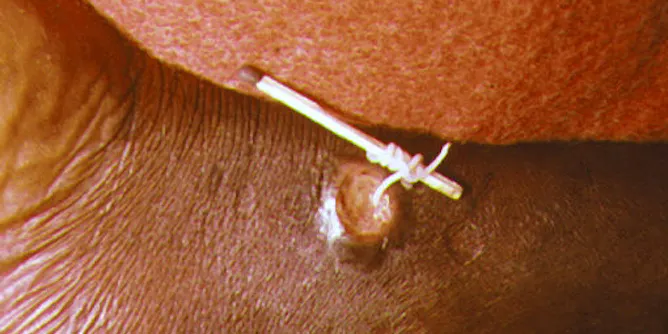
After nearly 40 years of effort, Guinea worm disease is on the cusp of being the second human disease – after smallpox – to be eradicated on Earth.
Articles on Water quality
Displaying 41 - 60 of 115 articles
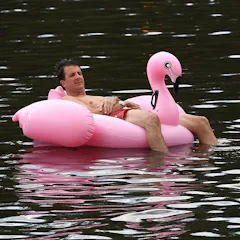
Ensuring a swimming site is safe is key to getting people using it. That means giving people timely information about water quality.
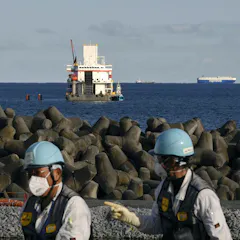
Japan’s Fukushima Daiichi Nuclear Power Plant is set to release radioactive wastewater into the Pacific Ocean – but the cause for concern is minimal.
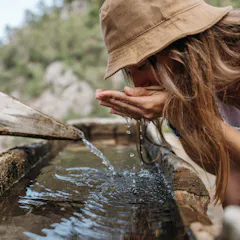
If you’re on holidays, the water may taste different. But is it safe to drink?

UNESCO report highlights what needs to be done to save the global icon. But you might be surprised by its top recommendation.

A new report finds tap water in more than 500 remote Indigenous communities isn’t regularly tested. But here’s why this isn’t news to us.
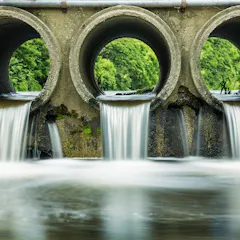
Twenty years ago this month the UN affirmed that water is a human right – can this help resolve the political stand-off over New Zealand’s Three Waters reforms?
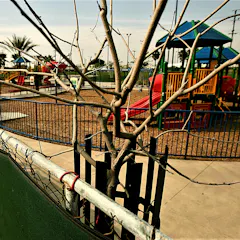
Climate change is colliding with old factory sites where soil or water contamination still exist, and the most vulnerable populations are particularly at risk.
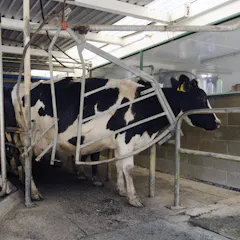
A new study of dairying in Canterbury shows previous estimates vastly underestimate the impact of intensive farming. A 12-fold reduction in cow numbers could be needed to meet safe water standards.

When humans eat fish, mussels and other foods containing antibiotics, the residual antibiotics may cause bacterial pathogens to become resistant.
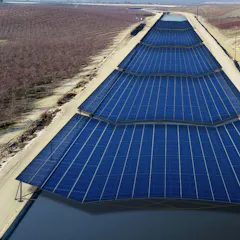
Covering the state’s canals with solar panels would reduce evaporation of precious water and help meet renewable energy goals – all while saving money.
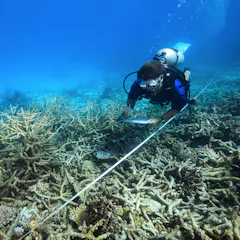
Saving the Great Barrier Reef is not about throwing money at it – what matters is how the dollars are spent.

Rivers are among the most embattled ecosystems on Earth. Researchers are testing a new, inexpensive way to study river health by using eDNA to count the species that rivers harbor.
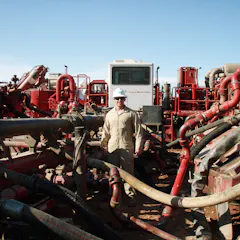
New research shows how fracking could pose a threat to surface water quality, with consequences for human and environmental health.
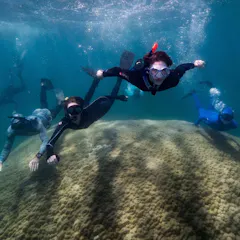
The remarkably resilient structure is in good health, for now. But work is needed to ensure it is preserved for future generations.
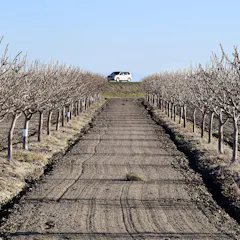
The US has one of the highest groundwater use rates in the world. When wells run dry, households may opt to conserve water, find new sources or sell and move.
New Zealanders pay the costs of poor environmental and infrastructural governance, but have little opportunity to influence policy in the first place. Here’s how that could change.
New Zealand spends about $500m on environmental research each year, but fails to invest systematically in monitoring programmes to track the changing environment.

A long-awaited NZ$700 million package to clean up New Zealand’s rivers and lakes has disappointed some of the government’s expert advisers – especially a delay on setting clear pollution limits.
A new report on New Zealand’s lakes and rivers confirms that many freshwater ecosystems are in decline and warns that climate change will exacerbate existing threats.
Top contributors
-

Associate Professor in Environmental Science, Western Sydney University
-
Professorial Fellow, ARC Centre of Excellence for Coral Reef Studies, James Cook University
-
Adjunct professor, University of Auckland, Waipapa Taumata Rau
-
Morgan Foundation Senior Research Fellow in Freshwater Ecology and Environmental Science, Te Herenga Waka — Victoria University of Wellington
-
Senior Lecturer, Western Sydney University
-
Adjunct Principal Research Fellow, College of Science and Engineering, James Cook University
-
Professor / Leader of the Environmental and Nanoscience Research Group, University of the Western Cape
-
PhD Candidate, Western Sydney University
-
Researcher, University of Cape Town
-
Professor, Western Sydney University
-
UNESCO Chair on Climate Change Variability of Natural and Cultural Heritage and Professor in Physics, James Cook University
-
Senior Lecturer Emeritus, Stellenbosch University
-
Professor Emeritus of Environment and Sustainability, University of Michigan
-
Senior Lecturer | School of Government, Te Herenga Waka — Victoria University of Wellington
-
Associate professor, James Cook University