
Soil erosion, water pollution, waste production and the loss of biodiversity are among multiple pressures degrading New Zealand’s environment.
Articles on Waste
Displaying 41 - 60 of 289 articles
A CSIRO study has found 39% less plastic pollution in and around Australian coastal cities over ten years. It also found more places with no rubbish at all.
Waste, as a thing, an idea, a problem, has always been wholly determined from a human standpoint.
The world’s appetite for sand is surging – and it comes at a real cost to the environment. The alternative: a paradigm shift in metal mining to also extract sand.
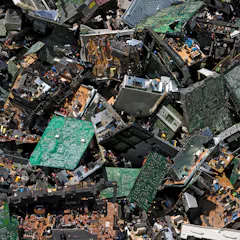
Less than 25% of all e-waste globally gets recycled. That’s because there are many challenges involved – but there is a way forward, too.
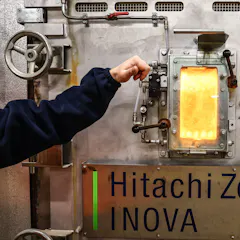
England plans to nearly double its number of waste incinerators.
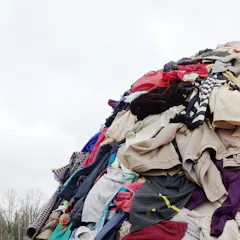
We give or throw away more and more clothes every year, overwhelming charities and triggering large exports of secondhand clothing. There’s a better way

Imagine going on a run and using your body heat to power your fitness tracker.

Many Australians are involved in Buy Nothing groups that allow locals to ask for and give away unwanted stuff for free. They bring circular economy principles to life, but depend heavily on women.
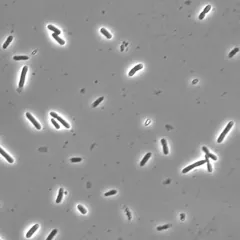
The world is full of microbes, and many of them like the taste of waste. Some carbon monoxide-loving microbes can be harnessed to transform waste into valuable biofuel.
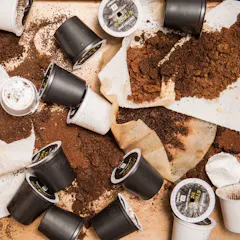
As concern about plastic pollution mounts, the federal government is revising its standards for calling products recyclable. A recent fine against Keurig could be a sign of things to come.

A proposed chemical recycling plant in western Michigan may provide a handful of jobs but little environmental benefit.
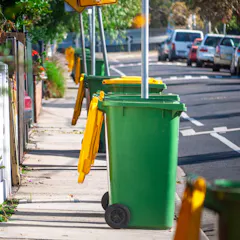
We all say we like recycling. But contamination rates are high. Victoria’s government hopes a new bin for glass and recycling soft plastic can help.

Australian consumers deserve a legal right to repair beyond the warranty. If we fail to keep up with the UK and EU, we risk becoming a dumping ground for cheap and nasty appliances.

The most common vapes on the market are single-use, disposable ones. They contain valuable resources, yet aren’t designed to be recycled.
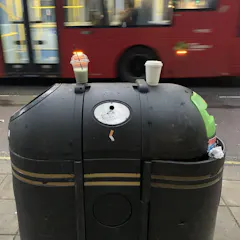
Some littering is conscious, some is created unintentionally. Tackling the reason it was created could make clean-up tactics more effective.
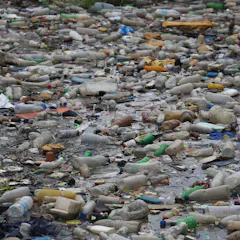
The more plastic, the more waste we produce. It sounds simple, but this discovery could help us find ways of ending plastic pollution.

An essential part of managing a growing global waste problem is sorting, recovering and recycling it. But you won’t see this on children’s shows that feature waste collection.
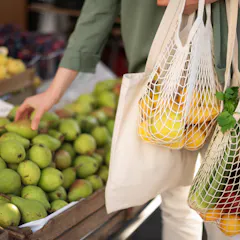
It’s often challenging to live up to your new year’s resolutions – but becoming greener is surprisingly easy.
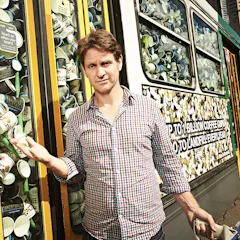
Understanding the success of the ABC’s War on Waste is a lesson in behavioural psychology. Research reveals five ways to guide other entertainment-education interventions to similar success.
Top contributors
-

Professor of Applied Environmental Science, University of Southampton
-
Senior Research Fellow, BehaviourWorks Australia, Monash University
-
Research associate, Loughborough University
-
Professor of Global Environmental Politics, University of California, Berkeley
-
Lecturer, School of Life and Environmental Sciences, Deakin University
-
Professor and Director Centre for Agricultural Engineering, University of Southern Queensland
-
Senior Lecturer, School of Property, Construction and Project Management, RMIT University
-
Senior Principal Research Scientist, Environment, CSIRO
-
Professor of Law, Griffith University, Griffith University
-
Emeritus Professor, School of Environment and Science, Griffith University
-
PhD Candidate in Environmental Science, Policy, and Management, University of California, Berkeley
-
Research Principal, Institute for Sustainable Futures, University of Technology Sydney
-
Associate Professor and Research Director, Institute for Sustainable Futures, University of Technology Sydney
-
Associate Dean and Head of Project Management, RMIT University
-
Associate Professor in Construction and Environmental Performance, The University of Melbourne