

The case of the start-up Phenix shows that the fight to reduce food waste requires a regulatory context that encourages innovation at the level of the business ecosystem.
Articles on Waste
Displaying 181 - 200 of 289 articles

Indonesia is the world’s largest producer of the seaweed that offers a solution for the global plastic crisis.
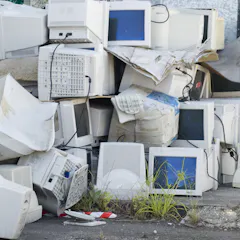
No amount of post-consumer recycling can recoup the waste generated before consumers purchase their devices.
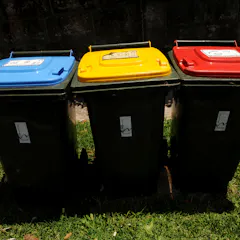
Both short- and long-term solutions are needed to solve Australia’s recycling crisis. State and federal ministers are pursuing some promising avenues, but they need to cast the net much wider.
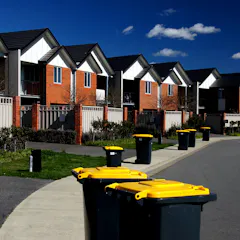
China new cleanliness standards for the recyclable materials it imports are so stringent that they are tantamount to a total ban. Australian councils are now in crisis mode as the rubbish piles up.
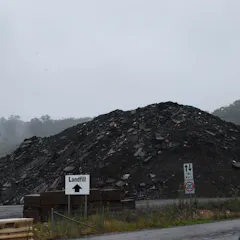
Ipswich Council has stopped recycling and it’s likely that others around Australia will follow suit.
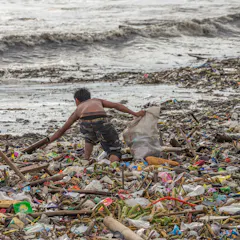
Cleaning up the oceans will require much better waste management in poorer countries.
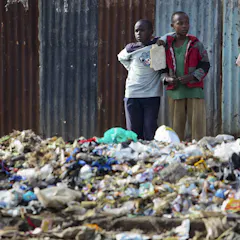
Nairobi’s new governor should learn from the mistakes of the past
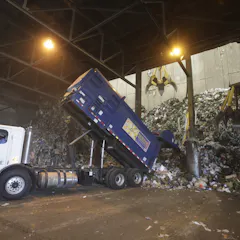
Most Americans don’t want incinerators in their neighborhoods, so waste management companies are burning trash in other facilities such as cement kilns. Is this a sustainable way to deal with garbage?

If you want to live like a local when on holiday, you should defecate like one.

Food is just food … or is it?
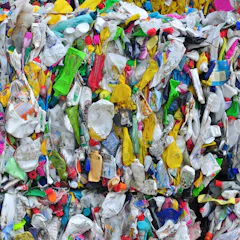
The science is clear but to improve plastic literacy, we need the arts. Here’s why.
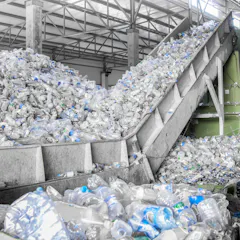
China is no longer importing the world’s recyclable plastic – so what should we do instead?

If you look into your kitchen or bathroom cabinet, chances are you’d find some unused medicine, much of it expired. Here’s what to do with it.
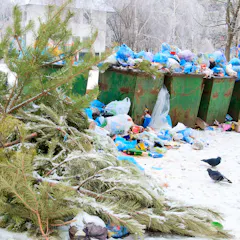
Canadians are a wasteful bunch, especially during the holidays. Redesign your holidays this year to cut back on garbage and food waste.
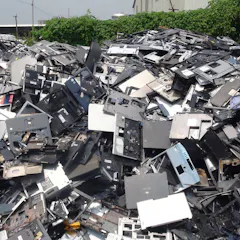
China, which recycles much of the world’s waste material, is slashing its scrap imports. This move could force the United States and Europe to boost recycling instead of shipping trash overseas.
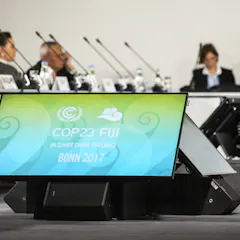
Climate governance is based on the key concept of control. But this idea is illusory and we must be able to overcome to cope with future disturbances.

With an ever-increasing cost to extract dwindling raw materials, it’s time to look at cities as urban mines. We’re developing the tools to do that.

Young people are taking to bins to protest food waste.
The CO2 we produce when we put up buildings is large and virtually unregulated.
Top contributors
-

Professor of Applied Environmental Science, University of Southampton
-
Senior Research Fellow, BehaviourWorks Australia, Monash University
-
Research associate, Loughborough University
-
Professor of Global Environmental Politics, University of California, Berkeley
-
Lecturer, School of Life and Environmental Sciences, Deakin University
-
Professor and Director Centre for Agricultural Engineering, University of Southern Queensland
-
Senior Lecturer, School of Property, Construction and Project Management, RMIT University
-
Senior Principal Research Scientist, Environment, CSIRO
-
Professor of Law, Griffith University, Griffith University
-
Emeritus Professor, School of Environment and Science, Griffith University
-
PhD Candidate in Environmental Science, Policy, and Management, University of California, Berkeley
-
Research Principal, Institute for Sustainable Futures, University of Technology Sydney
-
Associate Professor and Research Director, Institute for Sustainable Futures, University of Technology Sydney
-
Associate Dean and Head of Project Management, RMIT University
-
Associate Professor in Construction and Environmental Performance, The University of Melbourne