

From turkeys to salmon and brussels sprouts, modern living is putting mounting pressure on the festive feast.
Articles on Waste
Displaying 221 - 240 of 290 articles
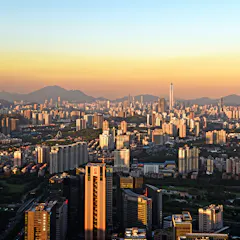
Our cities need to become much more efficient not just to conserve precious resources but to improve the economy, wellbeing and resilience to environmental change and disasters.

Australia’s city foodbowls are an important part of the nation’s food supply, but they’re under increasing pressure from growing populations.
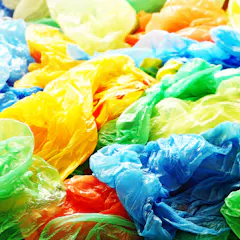
The 5p plastic bag charge is making society more eco-friendly than ever before.
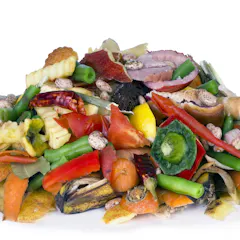
Australians send about 4 million tonnes of food waste to landfill each year – but what if we could use it for other purposes?

Expecting the rest of the world to adopt expensive, centralized sewage treatments systems common in the U.S. is not realistic.
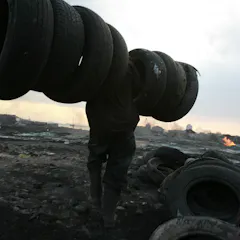
Used tyres pose a serious environmental challenge. So far, traditional recycling methods have proved insufficient to solve the problem. New, eco-friendy alternatives are now being explored.
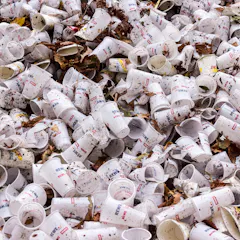
The high street chains cop the heat, but shouldn’t you be doing your bit too?
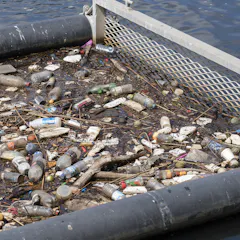
Refunds for drink bottles and cans get litter out of the environment – but industry remains opposed.

Feeding Melbourne generates over 900,000 tonnes of edible food waste every year, enough to feed more than 2 million people.
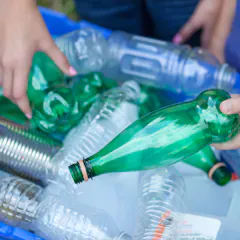
Hull City Council claims poor recycling habits are costing it £50,000 a month, so now they’re taking action by removing resident’s bins.
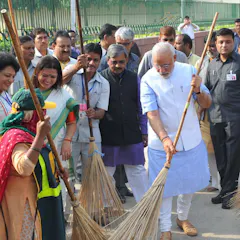
Indian Prime Minister Narendra Modi wants to bring 1.5 million toilets to the 600 million Indians without access by 2019. If he fails that could prove dangerous in an election year.
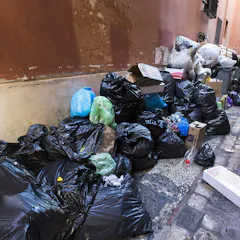
Despite a series of EU laws on waste management, some countries are still a bit rubbish.
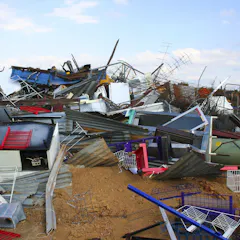
Australia still rests too heavily on its luck, and not enough on its brains.
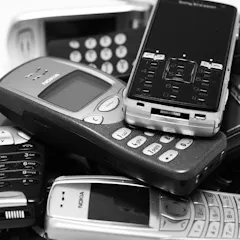
There are precious, and toxic, minerals in our old mobile phones. Far better to recycle them than dump them in the trash.

Even leaving glass bottles out for collection carries a social stigma.
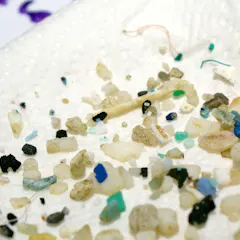
New method tallies microplastics in southern oceans, yielding a total that’s 37 times higher than previous estimates.
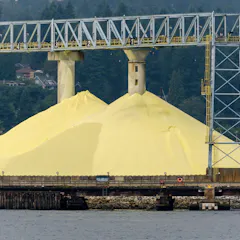
Plastics are vital. Making them from anything other than oil is good; using waste products is even better.
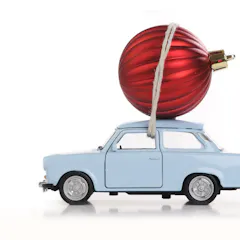
Many of us are concerned about just want to get through it. But the consumer madness of late December is the perfect time to ponder the consequences of our habits and excesses.
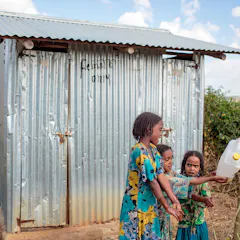
More than two billion people lack access to decent sanitation. Innovative sanitation technologies can bring toilets into the 21st century with benefits for the developing and developed world.
Top contributors
-

Professor of Applied Environmental Science, University of Southampton
-
Senior Research Fellow, BehaviourWorks Australia, Monash University
-
Research associate, Loughborough University
-
Professor of Global Environmental Politics, University of California, Berkeley
-
Lecturer, School of Life and Environmental Sciences, Deakin University
-
Professor and Director Centre for Agricultural Engineering, University of Southern Queensland
-
Senior Lecturer, School of Property, Construction and Project Management, RMIT University
-
Senior Principal Research Scientist, Environment, CSIRO
-
Professor of Law, Griffith University, Griffith University
-
Emeritus Professor, School of Environment and Science, Griffith University
-
PhD Candidate in Environmental Science, Policy, and Management, University of California, Berkeley
-
Research Principal, Institute for Sustainable Futures, University of Technology Sydney
-
Associate Professor and Research Director, Institute for Sustainable Futures, University of Technology Sydney
-
Associate Dean and Head of Project Management, RMIT University
-
Associate Professor in Construction and Environmental Performance, The University of Melbourne