
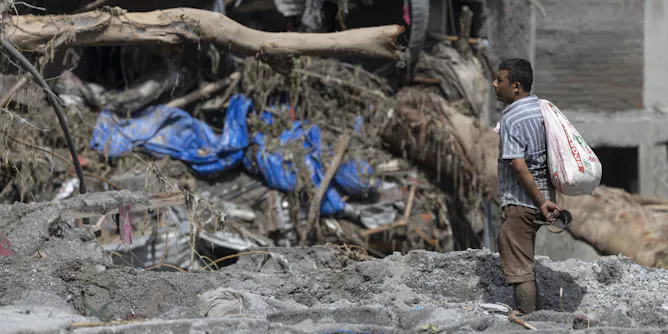
A catastrophic flash flood ripped through local villages and has claimed hundreds of lives.
Articles on Warning systems
Displaying all articles

Australians love a holiday, but are increasingly making travel plans around unpredictable weather.
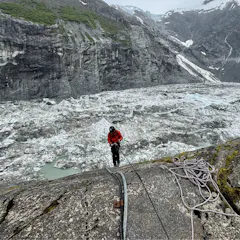
Suicide Basin, an ice-dammed lake on an arm of Mendenhall Glacier, has filled up with meltwater and sent destructive surges of water into Juneau for 3 straight summers.

When mountain permafrost thaws and glaciers melt, glacial lakes can become lethal flood risks for anyone downstream.
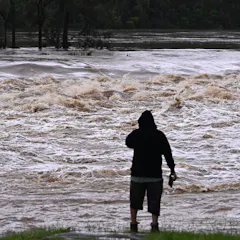
Whether it’s pamphlets aimed at prevention or text alerts, mass communication is often relied on during disasters. This flawed approach can be improved by engaging meaningfully with communities.
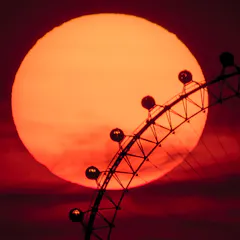
Extreme heat warnings can help change our dangerous relationship with hot weather.
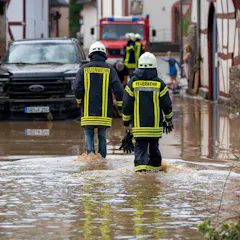
Catastrophic floods in north-western Europe have shown how badly early warning systems can fail.
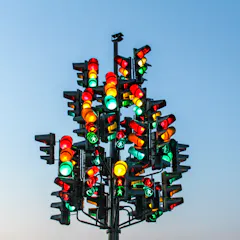
Other countries have developed and used alert level systems effectively in the management of COVID-19. So why is the UK struggling?

Local knowledge and awareness of the risks of tsunamis can better prepare people when disaster strikes.
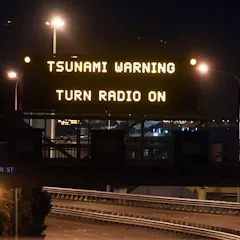
The threat of any tsunami following an earthquake can take time to assess, so it’s important people who live in risk zones are ready for any event.
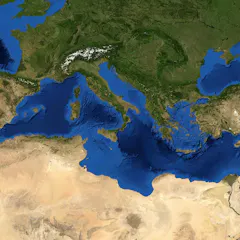
The sea straddles two tectonic plates and is lined by large towns and cities. We need to take the tsunami threat seriously.
Earthquakes could act as an early warning system for volcanic eruptions, according to new research. Researchers have found…
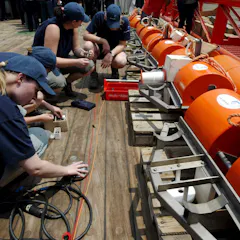
A magnitude 8 earthquake that struck today off the Solomon Islands is not a risk to Australia, but has destroyed three villages in the region and resulted in a tsunami with early reports of some deaths…
Top contributors
-

Adjunct Research Fellow, Curtin University
-
Harold T. Stearns Professor of Earth Science, Wesleyan University
-
Faculty Research Scientist, Institute of Arctic and Alpine Research, University of Colorado Boulder
-
Associate Professor of Geography, The University of Melbourne
-
Post-doctoral Research Fellow of Geography, The University of Melbourne
-
Professor in Warnings and Science Communication, Director of the UCL Warning Research Centre, UCL
-
Postdoctoral Researcher, Climate Science, University of Oxford
-
Disaster Risk Expert, University of Reading
-
Professor of Environmental Economics, Charles Darwin University
-
Professor of Conservation and Sustainable Livelihoods, Charles Darwin University
-
Reader in Physical Geography and Natural Hazards, Coventry University
-
Postdoctoral Research Fellow, School of Engineering, Swinburne University of Technology
-
Adjunct Lecturer, Department of Computer Science, Australian National University
-
Honorary Professor of Tsunami Research, PANGEA Research Centre, UNSW Australia, UNSW