

In every Australian city, you’re likely to come across a warbling magpie. How do they cope with the onslaught of noise? It turns out, the smarter ones cope better.
Articles on Urban wildlife
Displaying 21 - 40 of 91 articles
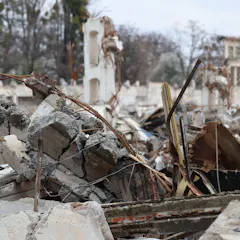
Shelling may have led to the killing of 7,000 noctule bats in the city of Kharkiv alone

A new study shows we can maximise the benefits of green roofs and rooftop solar systems by putting them together on the one roof.
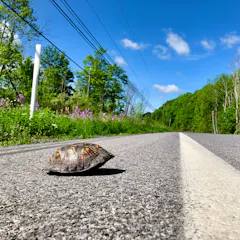
A newborn bison calf in Yellowstone National Park had to be euthanized after a visitor handled it in May 2023 – a recent example of how trying to help wild animals often harms them.

A public survey found 86% of people want more space for nature in the city. The city council is already taking steps to add green space and increase biodiversity, which should boost public wellbeing.
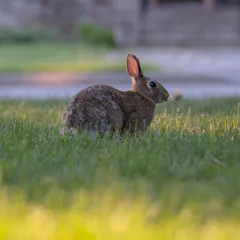
Here’s what determines if a problematic wild animal is saveable or cullable.
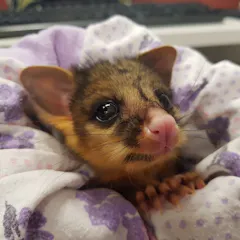
It can be hard and costly to collect data on the threats to species at specific locations. Wildlife emergency response services have long-running records for hundreds of species that suffered harm.
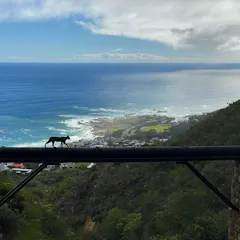
Caracals are most likely being exposed to metals like arsenic, lead and mercury through their diet.
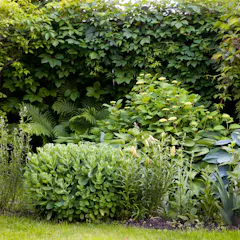
Instead of focusing their limited time, energy and finances in effective interventions in their gardens, many individual gardeners are falling prey to greenwashing.

One-third of local councils have rules to stop pet cats roaming because of their major impacts on wildlife. More councils want to get on board but many are hampered by state laws.
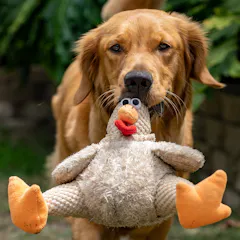
Are our animal companions showing off when they share more than toys with us? And what should we do about it?

Brush turkeys, bats, and cockroaches are crucial for the environment – including our gardens. Each have fascinating ways of coping in wet weather.
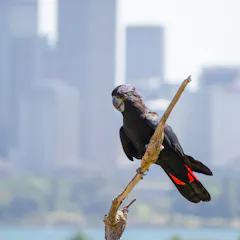
Australia now has a target of protecting 30% of its land and sea area. But the challenges of conserving urban biodiversity illustrate why it’s a much more complex task than a simple target suggests.

Urban plantings are part of the solution to living in warmer cities, but most tree and shrub species in the world’s cities will struggle too. The impacts on liveability could be huge.

New research documented 50 different ways Sydneysiders tried to stop sulphur-crested cockatoos opening their bins, from rubber snakes to custom locks. Humans didn’t always win.
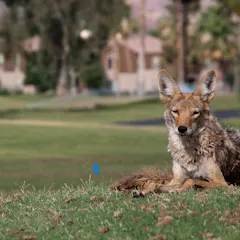
Urban coyotes prey on rodents and spread plant seeds. It’s OK to observe them from a distance, but then you should chase them off.
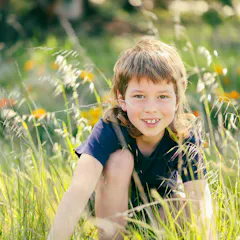
Having so many threatened species live among us in our towns and cities reflects the impacts of urban development but is also an opportunity for us all to pitch in and ensure their survival.
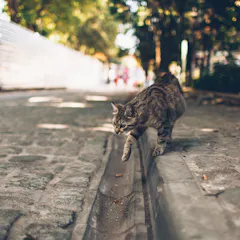
A new study shows that when free-ranging cats are more than a few blocks from forested areas in cities, such as parks, they’re more likely to prey on rats than on native wildlife.
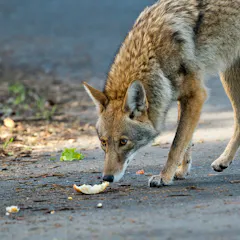
Coyotes are not, by nature, aggressive. But there is a pervasive myth that they are likely to attack unwarranted, and this belief is dangerous to the animals.
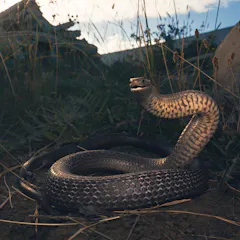
Whether you’re hoping to maximise your chances of seeing one of these shy, fascinating critters or wanting to avoid them at all costs, this article is for you.
Top contributors
-

Professor, Urban Ecology and Biodiversity, The University of Melbourne; RMIT University
-
University Fellow in Biodiversity, Charles Darwin University
-
Associate Professor & ARC Industry Fellow, Urban Ecology, Curtin University
-
Senior Lecturer, School of Agriculture, Food and Ecosystem Sciences, The University of Melbourne
-
Professor in Conservation Science, School of Ecosystem and Forest Science, The University of Melbourne
-
Research Fellow, Centre for Urban Research, RMIT University
-
Professor of Wildlife Conservation, Australian National University
-
Senior Research Fellow, RMIT University
-
Associate Research Professor of Wildlife Conservation, Penn State
-
Vice-Chancellor's Research Fellow, Centre for Urban Research, RMIT University
-
Assistant Professor, Faculty of Health Sciences; Senior Scientist, Pacific Institute on Pathogens, Pandemics and Society, Simon Fraser University
-
Professor, School of Life and Environmental Sciences, University of Sydney
-
Senior Lecturer in Conservation Ecology & Genetics, University of Cape Town
-
Adjunct Lecturer/ Ecologist, University of New England
-
Professor of Conservation Biology, Charles Darwin University