
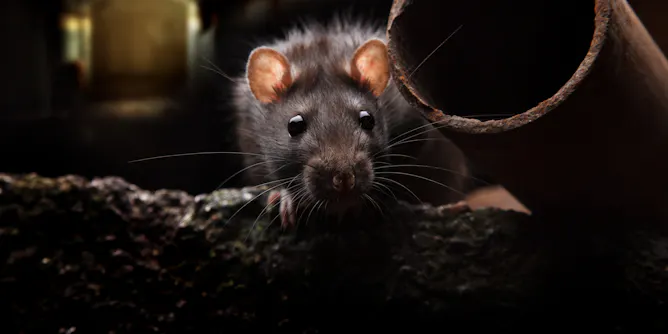
Genetic analysis shows that urban rats prefer to stay near their relatives; however, some of them migrate. Knowing this could help with pest control efforts.
Articles on Urban wildlife
Displaying 61 - 80 of 91 articles
An ecosystems approach to cities that recognizes rats as part of the ecosystem can help address the challenges presented by urban rats.
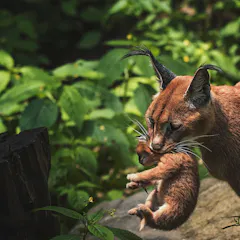
Household rat poison is endangering caracals, and other wildlife species in Cape Town, that prey on poisoned rodents. If not managed, this can negatively alter the region’s ecosystem.
Koalas can cope with the stresses of city life provided we plan urban developments in ways that help meet their basic needs.

Keeping urban habitats such as parks neat and tidy by removing dead wood and leaves is driving the species which live there to extinction.
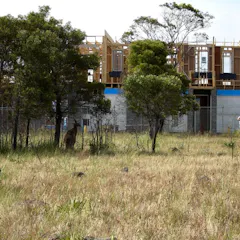
Expanding cities and farmland have created many small, often isolated patches of vegetation. Long seen as having limited ecological value, a new study shows these are vital for endangered species.

Moves to connect people with nature for both the conservation and health benefits point to the need for people to experience nature as they find it in the city, rather than only out in natural areas.
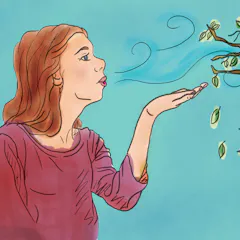
Urban trees are literally made with the help of human breath – they turn the carbon dioxide we breathe out into the building blocks of plant growth. So your local trees have a piece of you inside them.
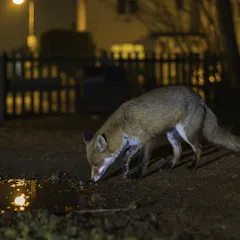
It’s becoming harder and harder for animals to find human-free spaces on the planet. New research suggests that to try to avoid people, mammals are shifting activity from the day to the nighttime.
Trump administration rollbacks dominated news about the environment in 2017 – but beyond Washington D.C., many researchers are developing innovative visions for a greener future.
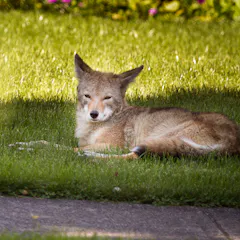
A parasite found in coyotes, wolves and foxes is now spreading to dogs and their owners as its range expands across Canada.
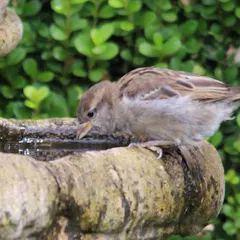
We all know how vital it is for our native bird species to thrive. But what if the only birds that visit your garden are introduced “pest” species? Many people feel these birds deserve some love too.

From birds to bees, the wildlife in your backyard can tell us important things about the health of our environment.

The Wildlife Photographer of the Year exhibition features sumptuous images: from giant cuttlefish courting to a vertigo-inducing portrait of an orangutan taken with a GoPro camera.
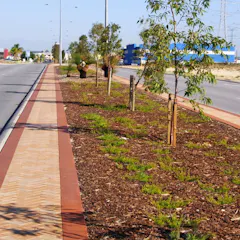
It is possible to use small spaces such as transport corridors, verges and the edges of sporting grounds for native wildlife habitat restoration, helping to bring biodiversity back into cities.
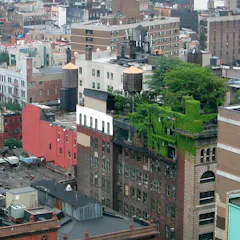
The rise of urban greening is an opportunity to recast the relationship between people and environment. Humans and non-human species are ecologically intertwined as inhabitants of cities.
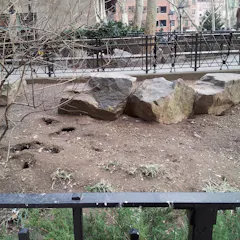
Rats foul our food, spread disease and damage property, but we know very little about them. A biologist explains how he tracks wild rats in New York City, and what he’s learned about them so far.
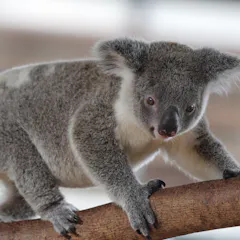
Koala numbers in parts of Australia are in decline as they move from development of their land. But they can learn to take safer routes if they are built as part of the urban design.

The rhetoric of ‘smart cities’ is dominated by the economic, with little reference to the natural world and its plight. Truly smart and resilient cities need to be more in tune with the planet.
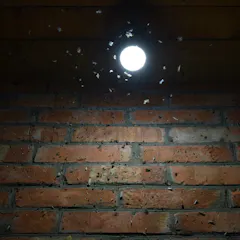
New research shows that street lighting changes the activity of moths, and is likely to disrupt nocturnal pollination.
Top contributors
-

Professor, Urban Ecology and Biodiversity, The University of Melbourne; RMIT University
-
University Fellow in Biodiversity, Charles Darwin University
-
Associate Professor & ARC Industry Fellow, Urban Ecology, Curtin University
-
Senior Lecturer, School of Agriculture, Food and Ecosystem Sciences, The University of Melbourne
-
Professor in Conservation Science, School of Ecosystem and Forest Science, The University of Melbourne
-
Research Fellow, Centre for Urban Research, RMIT University
-
Professor of Wildlife Conservation, Australian National University
-
Senior Research Fellow, RMIT University
-
Associate Research Professor of Wildlife Conservation, Penn State
-
Vice-Chancellor's Research Fellow, Centre for Urban Research, RMIT University
-
Assistant Professor, Faculty of Health Sciences; Senior Scientist, Pacific Institute on Pathogens, Pandemics and Society, Simon Fraser University
-
Professor, School of Life and Environmental Sciences, University of Sydney
-
Senior Lecturer in Conservation Ecology & Genetics, University of Cape Town
-
Adjunct Lecturer/ Ecologist, University of New England
-
Professor of Conservation Biology, Charles Darwin University