
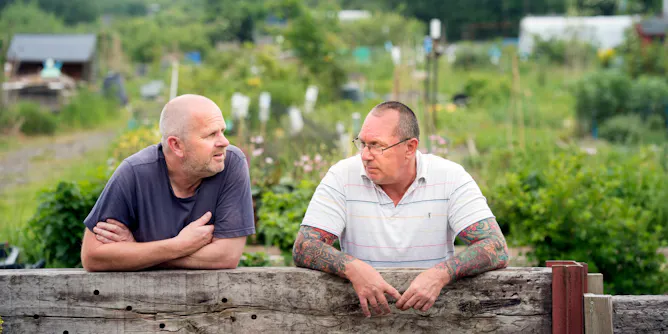
In praise of digging for potatoes.
Articles on Urban biodiversity
Displaying all articles

Managed well, golf courses can bring nature back to our cities. Here’s how to balance the good and bad for urban biodiversity.
City life can mean lots of pavement and habitat loss. But many bug species are hanging on, especially in neighborhoods with steady temperatures near the mountains.

Most Australians don’t need to be persuaded of the benefits of rules that require owners to stop their pet cats roaming outside their properties. Only 8% of those surveyed were against this policy.

A new report from the Biodiversity Council reveals the disturbing effects of artificial light on
Australia’s nocturnal animals. Here’s how you can help wildlife at Christmas and all year round.
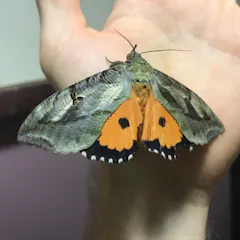
An ecologist, a mathematician and a taxonomist were locked down together in a suburban house. So they counted all the species of plants and animals they could find.
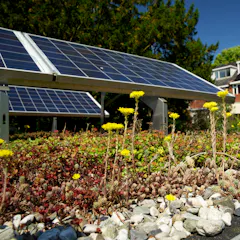
A new study shows we can maximise the benefits of green roofs and rooftop solar systems by putting them together on the one roof.

A public survey found 86% of people want more space for nature in the city. The city council is already taking steps to add green space and increase biodiversity, which should boost public wellbeing.
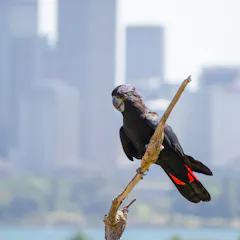
Australia now has a target of protecting 30% of its land and sea area. But the challenges of conserving urban biodiversity illustrate why it’s a much more complex task than a simple target suggests.
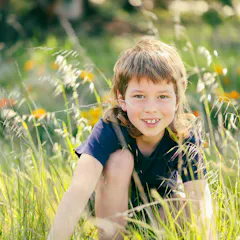
Having so many threatened species live among us in our towns and cities reflects the impacts of urban development but is also an opportunity for us all to pitch in and ensure their survival.
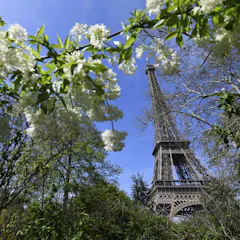
Trees were already known for cooling and cleaning the air of cities. A Europe-wide, participative science project shows how much their density matters for urban biodiversity.

Armed with smartphones, keen eyes and curiosity, students are learning to provide vital observations that add to our knowledge of the distribution of plant and animal species and how to conserve them.
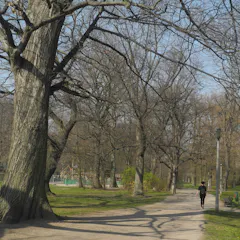
As we look beyond a world besieged by Covid-19, the relationship between humans and nature in our cities must be shaped and reclaimed.
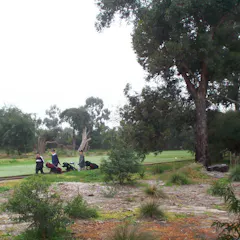
COVID-19 restrictions led to calls to open up golf courses to the public. But these are such precious refuges for native flora and fauna that access will have to be carefully managed.

Rich and diverse microbiomes in our local environment are important for keeping us healthy.
Urban green spaces can be a rich habitat for diverse pollinators, if they’re managed properly.
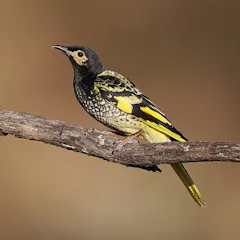
Some threatened species hit hard by the bushfires this summer have populations in and around urban areas, which are now crucial refuges. Here are some tips to help improve their odds of survival.

‘Bee-washing,’ marketing claims that purport to help bees, can diminish the important distinction between a honey bee and native bee.
Top contributors
-

Postdoctoral Fellow in Urban Biodiversity, The University of Melbourne
-
University Fellow in Biodiversity, Charles Darwin University
-
Professor, Urban Ecology and Biodiversity, The University of Melbourne; RMIT University
-
Associate Professor, University of Technology Sydney
-
Professor in Urban Horticulture, The University of Melbourne
-
Senior Lecturer in Biology, Northumbria University, Newcastle
-
Senior Lecturer, Mathematics, The University of Queensland
-
Ph.D. Candidate, School of Environment and Forest Sciences, University of Washington
-
Associate Professor in Ecology, Northumbria University, Newcastle
-
Postdoctoral Research Fellow, School of BioSciences, The University of Melbourne
-
Chercheur en écologie, Inrae
-
Associate Professor in Urban Ecology and Urban Horticulture, The University of Melbourne
-
Research Scientist, School of Life Sciences, University of Technology Sydney
-
Professor in Conservation Science, School of Ecosystem and Forest Science, The University of Melbourne
-
Senior Lecturer In Urban Horticulture, The University of Melbourne