
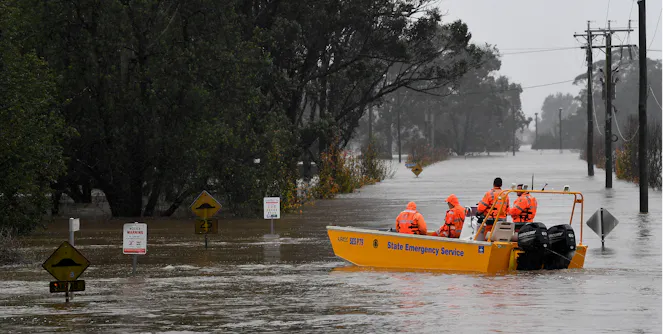
Governments have known about the flood risks in the Hawkesbury-Nepean Valley for more than two centuries. All have failed to protect the community.
Articles on Urban development
Displaying 61 - 80 of 217 articles
Urban economics experts are creating simulated cities to forecast the effect that permanent telecommuting could have on city centers and housing.
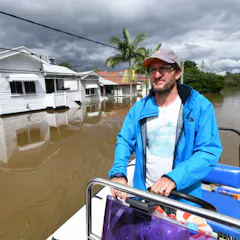
As history shows, many natural and human factors determine how water will behave during a flood.
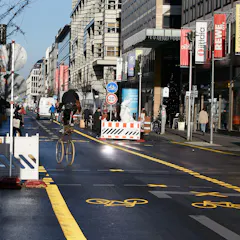
Residents across the world have seen how the pandemic has ushered in changes – shall and big – to the way their cities look and function.
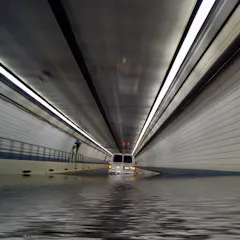
Global floods in 2021 showed the danger of poor emergency preparedness - and the importance of planning ahead.
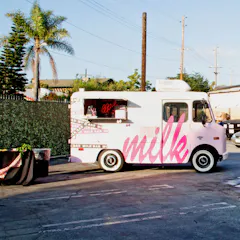
Ethnic food is cheap, and it appeals to adventurous eaters. Real estate agents and investors have caught on.
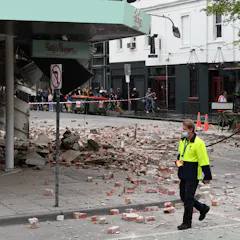
In 1989, Newcastle was hit by Australia’s deadliest earthquake, but high-rise development in the city’s CBD has continued nonetheless. Australia needs a consistent planning code for earthquake risk.
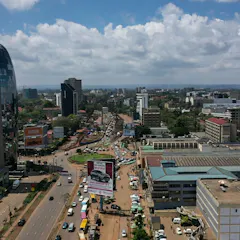
Nairobi harbours all the ingredients for zoonotic spillover to occur between animals and people, particularly in the most densely populated areas of the city.
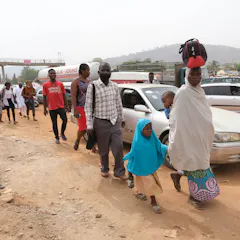
African city planners need to promote inclusive cities where residents are not captive walkers but walk because it is accessible, safe and pleasurable to do so.

In Athens, Colombo and London, Chinese investment is transforming urban space.
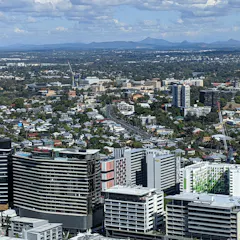
Brisbane City wants to preserve backyards, but they account for much of the open space lost to development under policies that also aim to increase housing density in existing urban areas.
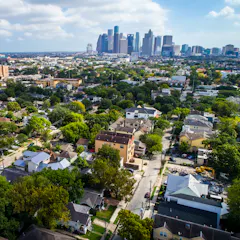
People who now cannot afford to live in city centres due to rent hikes, as well as new immigrants, have been moving to the suburbs.

The federal government has ordered a national koala audit, but the animals are notoriously difficult to detect. But accurately counting koalas is critical to saving them.
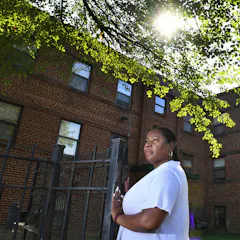
Some calls to resolve racial inequities in the US have raised an idea with roots more than a century old: community land trusts to assemble property for the benefit of Black Americans.

We might have had a glimpse of new ways of urban living, but history offers a note of caution. Lasting change depends on us applying technology and taking deliberate action to seize this opportunity.
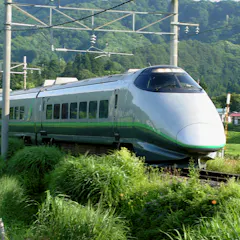
A high-speed rail network in Australia would create many benefits by reshaping cities and regional communities along its route.
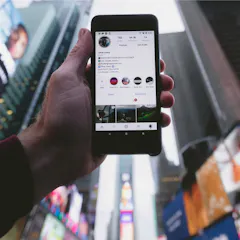
Digital communications could be a force for greater local democracy in urban planning and development, but many councils use the technologies in ways that mirror traditional consultation.
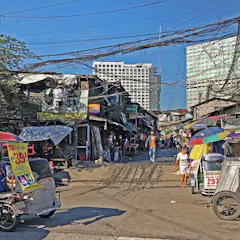
Besides battling the coronavirus pandemic, San Roque residents have long been locked in a bigger struggle for their very survival as a community in the face of home demolitions and relocations.

Apartments house one in ten Australians, including a higher share of low-income households than other housing types. A new study identifies why some high-density neighbourhoods work better than others.
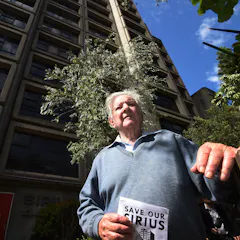
Jack Mundey fought to save Australia’s urban and environmental heritage. An architect of green bans, his lifelong efforts empowered citizens to assert their right to keep the heritage of their city.
Top contributors
-

Head of Urbanism and Associate Professor of Urban Studies, School of Architecture, Design and Planning, University of Sydney
-
Research Fellow, School of Communication, Society & Culture, Macquarie University
-
Professor of Sustainability, Curtin University
-
Vice Chancellor’s Senior Research Fellow, School of Global, Urban and Social Studies, RMIT University
-
Professor of Architecture and Urban Design, The University of Melbourne
-
Teaching Assistant Professor, University of Pittsburg and Visiting Associate Professor, The University of Osaka, University of Pittsburgh
-
Associate Professor in Urban Infrastructure and Policy, UCL
-
Deputy Director, Australian Urban Design Research Centre, The University of Western Australia
-
Research Active Lecturer, Discipline of Psychology, Charles Darwin University, Charles Darwin University
-
Professor, University of Canberra
-
Professor, City Futures Research Centre, Faculty of the Built Environment, UNSW
-
Professor of Urban Resilience and Pro Vice-Chancellor, University of Bristol
-
Senior Lecturer in Digital Society, Western Sydney University
-
Associate Professor in Wildlife Conservation, Edith Cowan University
-
Professor of Environmental Management, The University of Queensland