
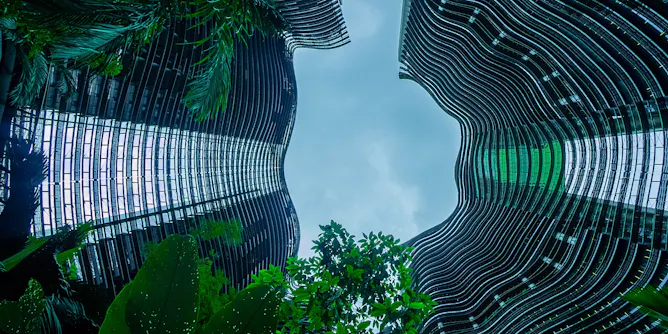
Focusing on metrics that measure a city’s quality of life could be detrimental to its long-term sustainable development.
Articles on Urban development
Displaying 21 - 40 of 217 articles

Australia’s housing crisis shows no sign of abating, but planning reforms to increase supply is only part of the solution.
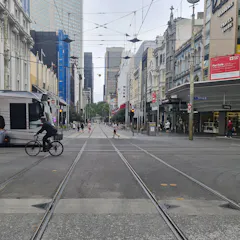
The four Cs – convenience, choice, competitive prices and COVID-19 – will decide the retail battle and how it affects the structure and function of our cities.

New Zealand cities grow mostly through building houses on undeveloped land. But this removes fertile soil and undermines the food production and other ecological functions city dwellers depend on.
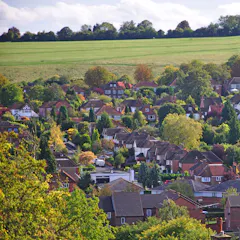
The way we develop urban peripheries is central to tackling both the housing crisis and the climate emergency.
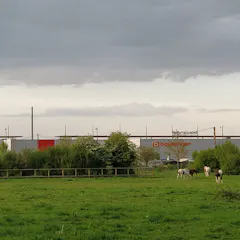
French artists and intellectuals attempt to salvage the spirit of an era, as French government reveals plans to transform the country’s commercial zones.

The Greenbelt fiasco has been an enormous distraction from the challenges facing the Greater Toronto Area — and it’s doubtful the Ford government will significantly change its approach.
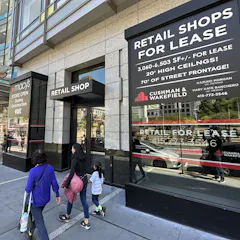
Developers have overbuilt office and commercial space in US cities for decades. Now, in the wake of pandemic shutdowns, many downtowns face hard choices about the future.
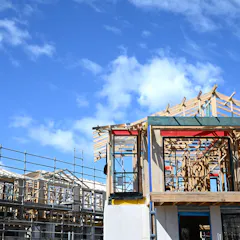
Is Australia ready for a house construction boom? Supply chain constraints say no.

The 35 shortlisted structures from around the world showcase engineering ingenuity and big ideas for making construction more sustainable.
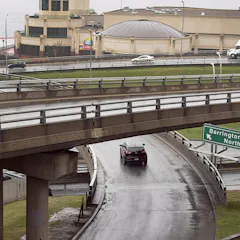
African Nova Scotians have historically suffered the negative consequences of urban redevelopment. New projects in Halifax must involve genuine engagement with racialized communities.
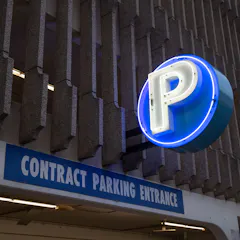
US cities are starting to reform laws that required developers to provide minimum amounts of parking. But there’s more they can do to loosen the auto’s grip on downtowns.

Inner-city resistance to higher-density housing has diverted most of Sydney’s population growth, driven largely by non-white migrants, to the outer suburbs. The result is a racially divided city.
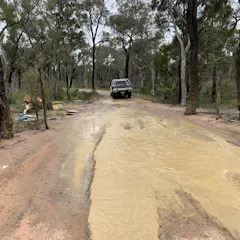
Local Aboriginal Land Councils are some of the largest private landowners in NSW. Making it easier for them to develop their land will benefit Indigenous communities and the rest of the public.
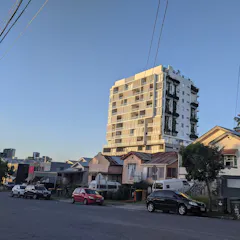
Simply rezoning land for higher density is not enough to achieve the planning goal of transforming low-density and car-centric neighbourhoods into mixed-use and walkable neighbourhoods.
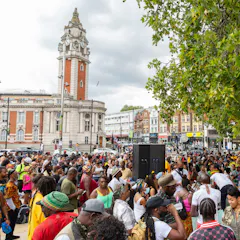
When a community is involved in how their spaces are developed, these can foster a sense of belonging and make diverse societies more cohesive.
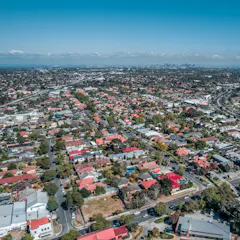
Our largest cities, home to 80% of the population, are central to achieving sustainability in a time of climate change. The federal government has begun to act on the need for coherent urban policies.
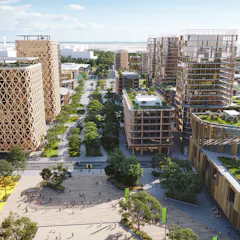
The new city bears a colonial name and there are questions about locating it in the hottest part of Sydney, but we are also seeing all 3 tiers of government work together in an innovative way.
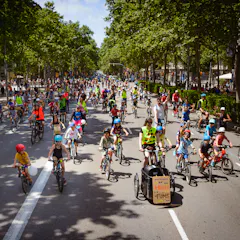
Urban development and social norms concerning childhood have led European cities to a situation where public spaces are no more spaces for children and young people.

In parts of Sydney, families occupy half the apartments and many value their convenient location. Yet, despite a surge in development, most apartments are one or two bedrooms and not family-friendly.
Top contributors
-

Head of Urbanism and Associate Professor of Urban Studies, School of Architecture, Design and Planning, University of Sydney
-
Research Fellow, School of Communication, Society & Culture, Macquarie University
-
Professor of Sustainability, Curtin University
-
Vice Chancellor’s Senior Research Fellow, School of Global, Urban and Social Studies, RMIT University
-
Professor of Architecture and Urban Design, The University of Melbourne
-
Teaching Assistant Professor, University of Pittsburg and Visiting Associate Professor, The University of Osaka, University of Pittsburgh
-
Associate Professor in Urban Infrastructure and Policy, UCL
-
Deputy Director, Australian Urban Design Research Centre, The University of Western Australia
-
Research Active Lecturer, Discipline of Psychology, Charles Darwin University, Charles Darwin University
-
Professor, University of Canberra
-
Professor, City Futures Research Centre, Faculty of the Built Environment, UNSW
-
Professor of Urban Resilience and Pro Vice-Chancellor, University of Bristol
-
Senior Lecturer in Digital Society, Western Sydney University
-
Associate Professor in Wildlife Conservation, Edith Cowan University
-
Professor of Environmental Management, The University of Queensland