
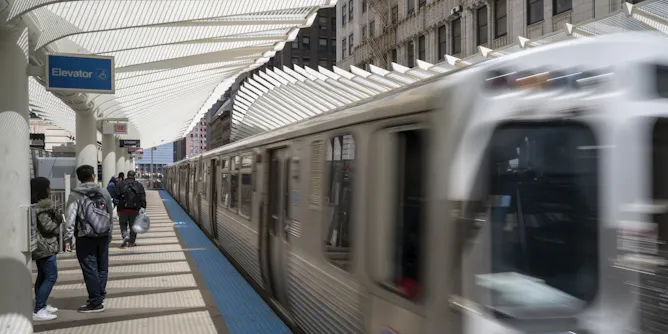
Everyone likes getting something for nothing, but history shows why the math behind free public transit doesn’t add up.
Articles on Urban development
Displaying 41 - 60 of 217 articles
Very hot days in Western Sydney are typically 5 degrees hotter than parts of the city close to the coast and are becoming more common, but only in the west. Four climate drivers explain the difference.

High-quality bus service is the fastest route to rapid, comprehensive public transit in the United States. This country was once a leader in bus transit, and with adequate funding, it could be again.

By starting their own entrepreneurial and developmental projects, First Nations are working toward economic prosperity for their communities and furthering reconciliation.

The supreme court’s ruling that the Tate’s viewing gallery intrudes on nearby luxury flats suggests that the law is once again aligning with the rich and powerful.

As many cities grapple with the housing crisis, some places are rewriting regulations and finding creative ways to repurpose these hulking masses of concrete that suck up valuable real estate.

The Met Office has predicted that England is to be affected by flooding this February.
Artificial lighting from cities illuminates coastal waters and can change the physiology and behaviour of marine organisms.

Sugar water feeding in cities helps native nectar-eating birds in winter, but it’s important to use the right feeders to avoid pathogens.
COP27 wraps up with Solutions Day, focusing on sustainable cities and transport, green buildings and resilient infrastructure. Climate-related disasters show the urgency of urban planning responses.
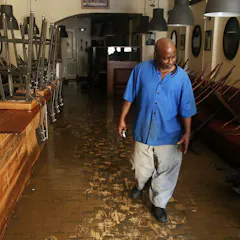
Research shows that coastal businesses’ hurricane recovery depends on workers being able to return.
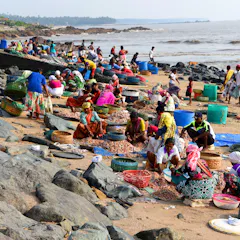
Facing human threats, Mumbai’s Koli community are taking risk reduction into their own hands – other vulnerable coastal settlements should take note.

Growing fresh produce on the outskirts of a city reduces food miles and increases food security. But the foodbowls next to our our big cities are fast losing their land to urban growth.
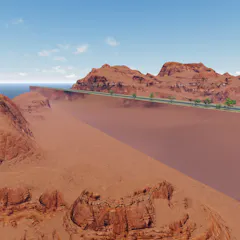
The city is a A$725 billion wall-like structure running for 170km across the Saudi Arabian landscape. Can it live up to its huge ambitions?
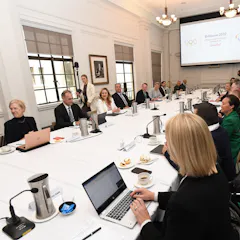
Planning has begun for the 2032 Brisbane Olympics and already it’s clear the city has learned from the mistakes of other hosts, but its plans to be truly sustainable have one glaring weak point.
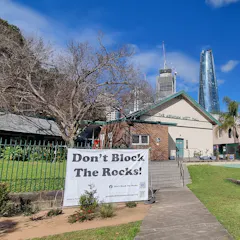
A bid to amend plans for the final stage of the Barangaroo project would once again favour developers’ interests over the public interest. It shows how badly the planning process has been undermined.
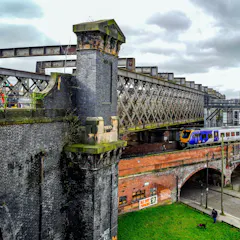
Turning a disused Victorian railway bridge into an elevated walkway and garden has the potential to rejuvenate a forgotten part of the city.
Hosting the Games has seem Birmingham dotted with new infrastructure and amenities. But the city’s pioneering transformation began over a 100 years ago.
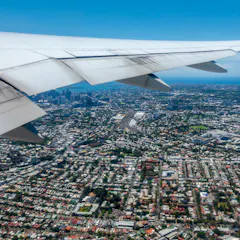
Seen from above, parts of our cities now have very little green space, and we’re losing the green corridors that enable wildlife to move between the remaining urban habitats.
My research shows how urban design can make it harder for women in some countries to make sustainable choices.
Top contributors
-

Head of Urbanism and Associate Professor of Urban Studies, School of Architecture, Design and Planning, University of Sydney
-
Research Fellow, School of Communication, Society & Culture, Macquarie University
-
Professor of Sustainability, Curtin University
-
Vice Chancellor’s Senior Research Fellow, School of Global, Urban and Social Studies, RMIT University
-
Professor of Architecture and Urban Design, The University of Melbourne
-
Teaching Assistant Professor, University of Pittsburg and Visiting Associate Professor, The University of Osaka, University of Pittsburgh
-
Associate Professor in Urban Infrastructure and Policy, UCL
-
Deputy Director, Australian Urban Design Research Centre, The University of Western Australia
-
Research Active Lecturer, Discipline of Psychology, Charles Darwin University, Charles Darwin University
-
Professor, University of Canberra
-
Professor, City Futures Research Centre, Faculty of the Built Environment, UNSW
-
Professor of Urban Resilience and Pro Vice-Chancellor, University of Bristol
-
Senior Lecturer in Digital Society, Western Sydney University
-
Associate Professor in Wildlife Conservation, Edith Cowan University
-
Professor of Environmental Management, The University of Queensland