
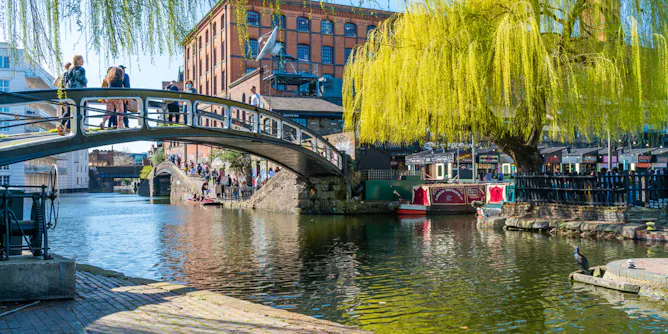
Canals can provide cooling corridors in cities, a study shows.
Articles on Urban cooling
Displaying all articles

As urbanisation accelerates across India, the importance of urban forests is becoming more crucial.
Urban green spaces should be better managed to provide places too cool off for the most underserved communities.
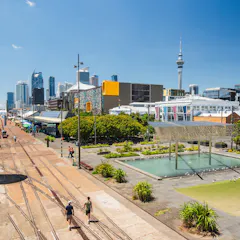
Converting open-air car parks and creating green cooling corridors on transport routes is an easy and affordable way to beat the city heat as the climate changes.
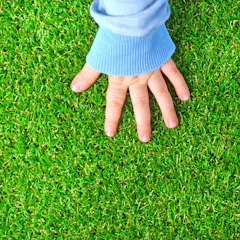
On a hot summer’s day in Melbourne, the artificial turf hit a top temperature of 72°C. This is sufficient to cause irreversible skin burns in just ten seconds.
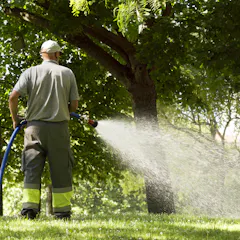
Trees and greenspace can drive down urban temperatures – but they must be able to draw water from the soil to achieve these massive cooling effects.
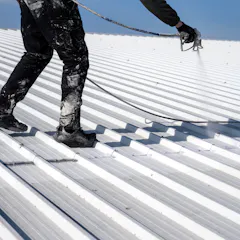
Light-coloured footpaths, roads and other surfaces are increasingly used to reflect the sun’s rays and cool our cities. But they also reflect cancer-causing UV radiation.
New research underscores the need to counter the effects of urban growth on drought by ensuring cities have enough green spaces to keep them liveable.
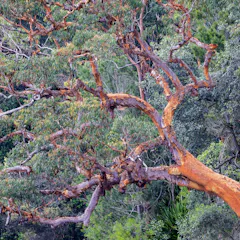
The loss of so many trees in Sydney’s Castle Cove represents the theft of environmental benefits and services from future generations of Australians.

The first chief heat officers appointed in Australia are part of a global partnership that’s responding to the dangers of rising city temperatures and the need to manage the risks.

Urban plantings are part of the solution to living in warmer cities, but most tree and shrub species in the world’s cities will struggle too. The impacts on liveability could be huge.
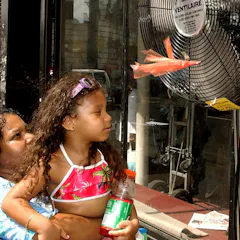
Extreme heat waves are putting lives in danger, with some of the hottest urban neighborhoods 10 degrees hotter or more than their wealthier neighbors. Often, these are communities of color.
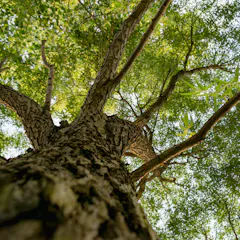
important decisions must be made today for urban greening programs to succeed in a warmer world.
Top contributors
-

Senior Research Associate, School of Agriculture, Food and Ecosystem Sciences, The University of Melbourne
-
Professor of Ecology and Associate Director, Hawkesbury Institute for the Environment, Western Sydney University
-
Senior Researcher in Ecology & Biostatistics (CNRS), Université de Picardie Jules Verne (UPJV)
-
Professor and ARC Future Fellow, Hawkesbury Institute for the Environment, Western Sydney University
-
University Fellow in Biodiversity, Charles Darwin University
-
Professor of Plant Eco-physiology, Western Sydney University
-
Associate Professor of Geography, Indiana University
-
Lecturer in Landscape Architecture, The University of Melbourne
-
Postgraduate Researcher, Climate Adaptation, University of Manchester
-
Professor of Urban Management and Planning, Western Sydney University
-
Postdoctoral Researcher in Plant Ecophysiology, Western Sydney University
-
Associate Professor in Environmental Science, Western Sydney University
-
Researcher Associate, Centre for Urban Research, RMIT University
-
Professor, Sustainability and Urban Planning, RMIT University
-
Research Fellow in Urban Microclimates, The University of Melbourne