

Some European cities have poor tree shade cover and this is ramping up heat for their citizens.
Articles on Urban heat islands
Displaying 1 - 20 of 64 articles
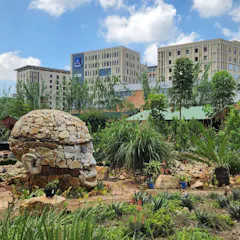
Parks do more than cool cities. They also help people work together to cope with climate change, but only if local communities help design, manage and care for them.
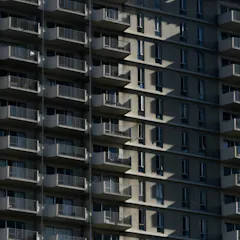
Apartments built to today’s standards could be too hot for future comfort for about four weeks a year in Redfern and more than seven weeks in Penrith.
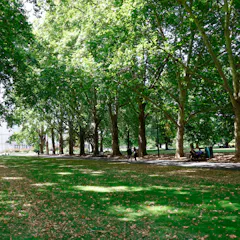
A new study has shown that more vegetation is not automatically better.

Across the 19th and 20th centuries, urban residents developed a range of strategies to manage extreme heat in densely built environments.
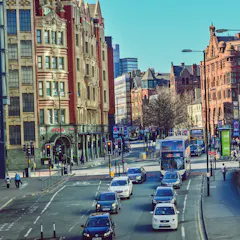
Traffic can be a significant heat source in cities – yet is often overlooked in concerns about rising urban temperatures.
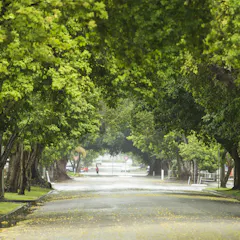
Cities around the world rely on trees to keep temperatures lower. New research shows trees are remarkably effective – but can’t do it all
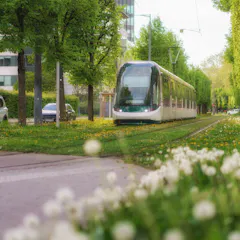
Planting grass or succulents along tram tracks can cool streets, cut pollution and make cities feel more beautiful.
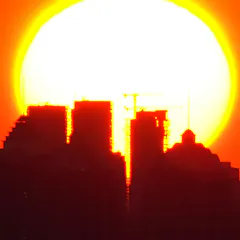
Public ponds, fountains and new reflective buildings are needed to protect Yaoundé’s people from the heat island effect.
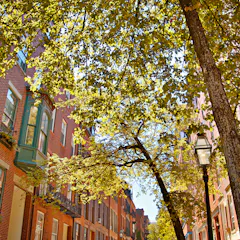
New technologies are making it easier to find these urban heat islets, opening the door to new strategies for efficiently improving community health.
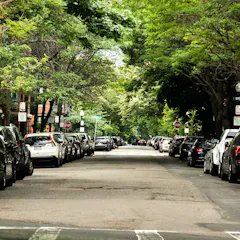
Cities are seeking low-cost ways to ease the heat island effect. Researchers found benefits and trade-offs in two popular options, but they vary by city and even neighborhood.
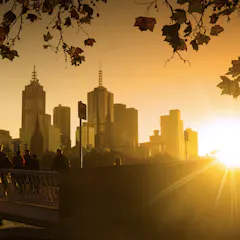
As Australian cities heat up, street trees are needed more than ever for their cooling. It turns out many are more resilient to heat than expected.

Before buying or renting your next home, take a closer look at how it will cope with the heat. Try this expert 12-point guide to avoiding ‘hot boxes’.

As summer temperatures rise, finding ways to build cities that don’t hold in the heat and can provide some cooling is increasingly important.
New research underscores the need to counter the effects of urban growth on drought by ensuring cities have enough green spaces to keep them liveable.
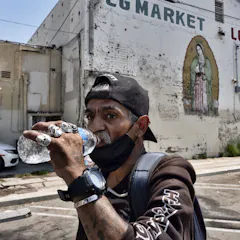
Mapping daily temperature variations across the US revealed stark differences between wealthy and poor neighborhoods, and large differences by race.
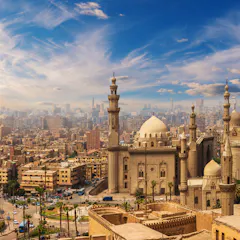
African cities with over 10 million residents are getting hotter fast. Millions face disaster in these urban heat islands unless the cities start greening and adapting to climate change soon.

We could make our hot cities cooler with white roofs and light roads. But progress has been glacially slow.
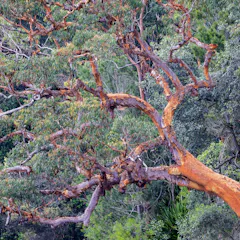
The loss of so many trees in Sydney’s Castle Cove represents the theft of environmental benefits and services from future generations of Australians.

People aren’t the only ones harmed by heat waves. The hotter it gets, the harder it is for machines to keep their cool.
Top contributors
-

Associate Professor of Geography, Indiana University
-
Research Professor ISGlobal Barcelona and Professorial Fellow, ACU Melbourne, Australian Catholic University
-
Research Associate, MRC Epidemiology Unit, University of Cambridge
-
Vice-Chancellor's Research Fellow, Centre for Urban Research, RMIT University
-
Lecturer, Bangor University
-
Senior Research Associate, School of Agriculture, Food and Ecosystem Sciences, The University of Melbourne
-
Illinois Research Climatologist, University of Illinois Urbana-Champaign
-
Lecturer and Researcher, Urban Design and Town Planning, University of the Sunshine Coast
-
Assistant Professor
-
Associate professor, Universidad de Alcalá
-
Professor, School of Mathematical And Physical Sciences, University of Technology Sydney
-
Associate Professor of Geography, Environment and Society, University of Minnesota
-
Professor and Head of School of Architecture and Built Environment, University of Newcastle
-
Professor of Anthropology, University of Connecticut
-
Associate Professor of Environmental Studies, Brandeis University