

Type 1.5 diabetes has features of both type 1 and type 2 diabetes.
Articles on Type 2 diabetes
Displaying 21 - 40 of 169 articles

Do you have to say a fond farewell to your favourite ham sarnie or bacon butty? An expert sets the record straight

A study has shown that the NHS soup and shake diet can help some people beat diabetes – but is it all it’s cracked up to be?
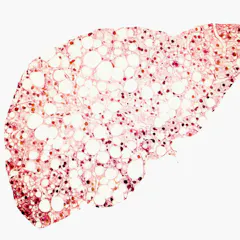
Though a leading cause of liver transplants and an increasing number of young people being diagnosed with the disease, few people have heard of MASLD.

The release of a parliamentary committee’s report on diabetes has again highlighted the need to improve Australians’ diets.

People with diabetes are about twice as likely to become seriously ill with COVID-19 compared with those who don’t have diabetes.

Diabetes trials are leaving out people who are most affected by diabetes, which creates a series of problems include the greater likelihood of missing rare and potentially dangerous side effects.

Type 2 diabetes is not uniform; it’s a mosaic of conditions, each with its own characteristics. Understanding these subtypes may improve treatment plans and help people manage their condition better.

Some women who use drugs like Ozempic have reported unexpected pregnancies. What’s going on?

There are a range of reasons why short sleep might be associated with an increased risk of type 2 diabetes, as a recent study showed. But sleeping too long has also been linked to the condition.

Ozempic generated A$21 billion of sales in 2023 alone. So how was it developed? And how are its new competitors, Mounjaro and Zepbound, different?

Find out the signs and symptoms of type 2 diabetes.

Weight loss can seem like an impossible, unachievable task. But you don’t need to lose a lot of weight to start noticing the health benefits.

A new study from Hong Kong shows that reversing type 2 diabetes is much harder than clinical trials suggest. However, all is not lost.

A new study suggests that adding salt to your food at the table is linked to an increased risk of type 2 diabetes. But caution is needed.

Reduction in physical activity over the last few decades is one of the main culprits in rising obesity rates.

In trials, Mounjaro was shown to be more effective than Ozempic in managing type 2 diabetes.

Horses and humans share biological similarities that lead them to suffer from similar endocrine and orthopedic diseases. A number of treatments that work for one species often work for the other.

Diabetes rates worldwide have been rising steadily since the early 1990s when these data were first estimated. This trend is only going up.

Anti-obesity medications are becoming the go-to treatment for weight loss. But drugs alone may not provide the same benefits as lifestyle choices like exercise and a healthy diet.
Top contributors
-

Honorary Associate Professor, University of Leicester
-
Laureate Professor in Nutrition and Dietetics, University of Newcastle
-
Programme Leader, MRC Epidemiology Unit, University of Cambridge
-
Clinical Associate Professor, Diabetes and Endocrinology, Aston University
-
Assistant Professor of Health Promotion and Policy, UMass Amherst
-
Postdoctoral Research Fellow, Epidemiology, University of Cambridge
-
Chairperson, Diabetes Alliance; Co-founder, Diabetes Research Centre, University of Pretoria
-
Associate Professor, Department of Biology and Institute of Biochemistry, Carleton University
-
Associate Professor, Health Sciences, University of Waikato
-
Lecturer, Nutrition & Dietetics, Curtin University
-
Chair of Human Nutrition, University of Glasgow
-
Senior Lecturer, Pharmacy, Aston University
-
Associate Professor in Biology and Biomedical Science, Aston University
-
Professor of Medicine, Monash University
-
Head of Diabetes Clinics, Baker Heart and Diabetes Institute