

Today millions of diabetic patients across the world do not have access to insulin. Why and how can governments reverse this phenomenon?
Articles on Type 1 diabetes
Displaying 1 - 20 of 47 articles
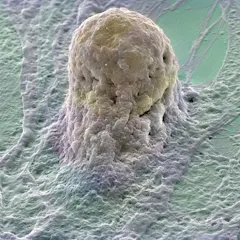
Stem cells offer an extraordinary toolkit for science and medicine. Researchers are getting better at turning these pluripotent cells into specialized tissues, including insulin-producing beta cells.

Genetics may only partially determine a newborn’s risk of developing Type 1 diabetes. Screening umbilical cord blood could lead to earlier treatments to prevent or reduce disease.

A major new study finds people with type 1 diabetes face nearly three times the dementia risk. But lifestyle changes and new treatments offer real hope.

Mattel’s new Barbie comes equipped with an insulin pump and wears a continuous glucose monitor on her arm.
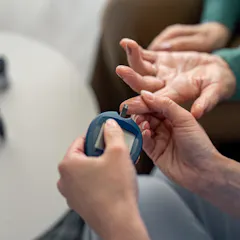
A new drug hits pause on type 1 diabetes before symptoms even begin.
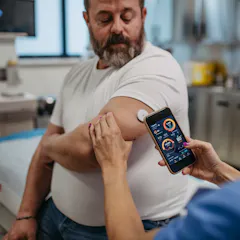
Lab-grown islet cells offer new hope for type 1 diabetes.

By understanding the disease and the treatment options, pet owners can ensure their dogs and cats have healthy and happy lives.

With a few science-backed culinary tricks, you can make a delicious cranberry dish that’s friendly to Type 1 diabetics.

Type 1 diabetes develops when the body destroys its own insulin-producing cells. Using stem cells to replace them could be a way to get around donor shortages and transplant complications.
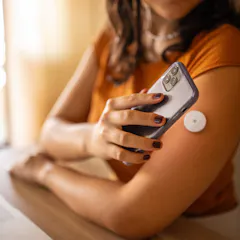
To meet international guidelines, New Zealand needs to double the workforce that supports people with diabetes. Unless that happens, newly-funded health technologies won’t get to those most in need.
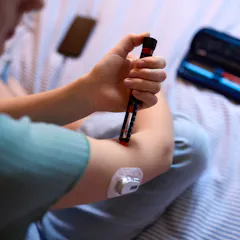
It’s rare for medical research to be truly ‘groundbreaking’, but the case study from China showing that stem cell therapy can reverse type 1 diabetes is worthy of this adjective.

Childhood diabetes has almost doubled in the last two decades, with massive increases in Finland, Sweden and Norway.

Type 1.5 diabetes has features of both type 1 and type 2 diabetes.

People with diabetes are about twice as likely to become seriously ill with COVID-19 compared with those who don’t have diabetes.
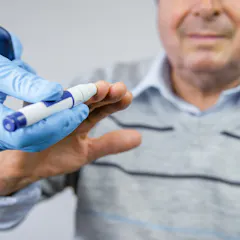
Diabetes rates worldwide have been rising steadily since the early 1990s when these data were first estimated. This trend is only going up.
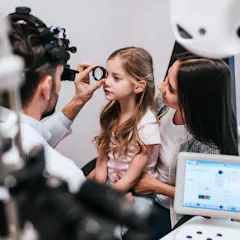
The risk of developing eye complications is high in young people with Type 2 diabetes, which is increasingly affecting children and adolescents, especially those who are more sedentary.
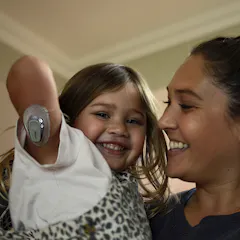
On the centenary of insulin’s first use, doctors, researchers and people with diabetes are asking why New Zealand lags other countries in funding the latest devices to monitor blood sugar.

Improving diabetes care in South Africa requires strong will and support from health authorities, introduction of clinical information systems, the use of technology and digital solutions.

A study of thousands of students hospitalised with an injury or illness confirms they are likely to fall behind their classmates. But good management and targeted help with learning cut the risk.
Top contributors
-

Assistant Professor of Health Promotion and Policy, UMass Amherst
-
Associate Professor, Health Sciences, University of Waikato
-
Associate Professor in Experimental Diabetes, University of Exeter
-
Reader in Molecular Medicine, University of Bristol
-
Lecturer in Diabetes Care, Edinburgh Napier University
-
Assistant Professor of Internal Medicine, University of Michigan
-
Reader School of Medicine, University of Dundee
-
Professor of Medicine , University of Florida
-
Senior Lecturer in Pharmaceutical Sciences, Queen's University Belfast
-
Professor of Paediatric Surgery, University of Oxford
-
Professor of Pharmaceutics, De Montfort University
-
Professor of Health Policy and Population Health, New York University
-
Nutritional Science, University of Leeds
-
Professor of Medicine, Monash University
-
Professor of Internal Medicine, University of Michigan