

Diabetes is manageable. With timely support, people can lead long, healthy lives free from preventable complications.
Articles on Blood sugar
Displaying 1 - 20 of 41 articles

Continuous glucose monitors are changing diabetes care, but they have limits that matter during the most extreme blood sugar events.

Regulating the body’s glucose production is key to treating the effects of insulin resistance.

Today millions of diabetic patients across the world do not have access to insulin. Why and how can governments reverse this phenomenon?

Two-thirds of the UK’s population eat less than one portion of beans each week.

Our study showed that some antidepressants have greater effects on weight, cholesterol levels, blood pressure and blood sugar than others do.
A biokineticist offers four tips to help your heart.
A guide to the different types of diabetes, including the latest type to be officially recognised – type 5.

Small dietary changes can make a big difference to how you feel, how your body functions and health indicators such as blood pressure.

Eating when we experience stress is a normal behaviour to meet increased energy needs. But sometimes our relationship with food becomes strained in the process.

Type 1.5 diabetes has features of both type 1 and type 2 diabetes.
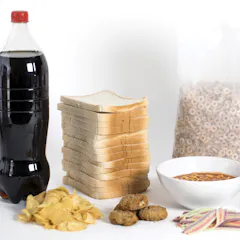
High-carb diets, especially of ultraprocessed foods, create blood sugar spikes, while diets high in leafy, green vegetables and whole grains are absorbed more slowly and produce smaller fluctuations.

Alarmingly, there are influencers suggesting glucose should never ‘spike’ and should always remain within a very tight range, even immediately after meals.

Here’s a TikTok trend actually worth adopting: go for a walk after dinner, and let out your gas. You might be surprised how much good it’s doing you.

People with diabetes are about twice as likely to become seriously ill with COVID-19 compared with those who don’t have diabetes.

Sugar is an important substance for our body and brain to make energy. Here’s what happens when we eat a lot of it.

Freezing bread can not only cut down on food waste, it may also have modest benefits for your health.

Type 2 diabetes is not uniform; it’s a mosaic of conditions, each with its own characteristics. Understanding these subtypes may improve treatment plans and help people manage their condition better.

Oats have many health benefits – including keeping our bowels regular and healthy.

Healthcare workers in South Africa aren’t always well equipped to treat diabetes. This has devastating consequences for patients.
Top contributors
-

Honorary Associate Professor, University of Leicester
-
Sleep Researcher, Appleton Institute, HealthWise Research Group, CQUniversity Australia
-
Senior Lecturer and Head of Course Nutrition, HealthWise Research Group Lead, Appleton Institute,, CQUniversity Australia
-
Chairperson, Diabetes Alliance; Co-founder, Diabetes Research Centre, University of Pretoria
-
Laureate Professor in Nutrition and Dietetics, University of Newcastle
-
Professor of Psychology, NeuroHealth Lab, Appleton Institute, CQUniversity Australia
-
Professor Health Behaviour Dynamics, Glasgow Caledonian University
-
NHMRC Senior Research Fellow in the School of Human Sciences, The University of Western Australia
-
Professor of Physical Activity, Lifestyle, and Population Health, University of Sydney
-
Lecturer, School of Health, Nutrition & Dietetics, University of the Sunshine Coast
-
Research Fellow & Lecturer in Nutrition and Dietetics, UCL
-
NHMRC CDF Fellow, Senior Research Fellow, Head Metabolic Crosstalk Laboratory, The University of Melbourne
-
Executive Director, Frank Reidy Research Center for Bioelectrics, Old Dominion University
-
Postdoctoral Visiting Fellow, National Institutes of Health, National Institutes of Health
-
Lecturer, Medical Science School of Health, Medical and Applied Sciences, CQUniversity Australia