

Elite athletes share with the rest of us a common underlying physiology and the capacity to adapt significantly to training. It’s never too late to start.
Articles on Training
Displaying 1 - 20 of 105 articles

Gamers face eye strain, repetitive-use conditions, back problems and even blood clots. Lessons from music, dance and car racing can help prevent and treat these injuries.

For older employees already experiencing burnout, poorly designed or poorly timed training can become an additional job demand rather than a solution.

As AI transforms graduate careers, universities should rethink when students specialise and how they combine disciplinary expertise with broader skills.

A study suggests sniffing chocolate helps boost your gym workout. No, we’re not kidding.

Skills shortages affect businesses as well as job seekers.

Nearly 1,500 healthcare professionals completed the training in hospitals, birth centers and community organizations across the state.

The use of artificial intelligence tools is among the top emerging issues in biodiversity conservation.

Australians’ sense of job insecurity is now as bad as it was in COVID, when unemployment hit 6.4%. Yet there are steps that can help turn fear into action.

A just transition to a green economy with broad growth in employment will require deliberate efforts.
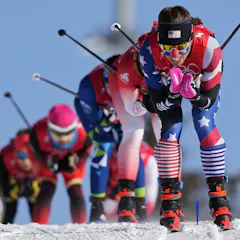
US Olympic skiers and scientists explain the sharp differences between natural snow and machine-made snow, from the science to the rising risk of crashes.

Some of the most decisive moments in sport hinge on how athletes perceive, process and act on information in a matter of milliseconds.

Expertise comes with training, experience and accreditation. And expert consensus is the best guide modern democracies have for making decisions about complicated challenges.

Active Clubs combine fitness and white nationalism, transforming the body into a tool for radicalization and normalizing far right ideology as part of everyday life.

Research into these entrepreneurs may carry lessons for societies and governments around the world.

A greater understanding and acceptance of autism creates opportunities for people with autism to thrive.

A new Productivity Commission report looks at how to make workers more adaptable. This starts with making sure school students learn basic maths and English skills.

The programme showed improved mental health, reduced distress and a stronger sense of belonging among unemployed young people.

Even the most advanced AI tools are useless if employees don’t feel confident using them. Building trust and boosting workers’ belief in their abilities is the real key to successful adoption.

Workplaces across the country are becoming safe and supportive places for people with substance use issues.
Top contributors
-

Associate Professor, College of Business, Government and Law, Flinders University
-
Professor of Entrepreneurship and Innovation, Edith Cowan University
-
Lecturer in Exercise and Environmental Physiology and Exercise Immunology, University of Westminster
-
Professor in Neuromuscular Physiology and Head of Sport Sciences, Nottingham Trent University
-
Associate Professor of Family & Community Medicine and Pediatrics, retired, University of California, San Francisco
-
Principal Research Scientist, CSIRO
-
Senior Lecturer, Division of Family Medicine and Primary Care, Faculty of Medicine and Health Sciences, Stellenbosch University
-
Associate Professor, Health and Physical Education/Sport Development, Western Sydney University
-
Associate Professor of Sport Physiology and Performance, Sheffield Hallam University
-
Assistant Professor of Medicine, Emory University
-
Professor of Health Sciences, Adelaide University
-
Researcher at The Work Foundation
-
Research Scientist in Digital Economics, CSIRO
-
Lecturer in Economics, Macquarie University
-
Managing Director, Florida Center for Cybersecurity, University of South Florida