
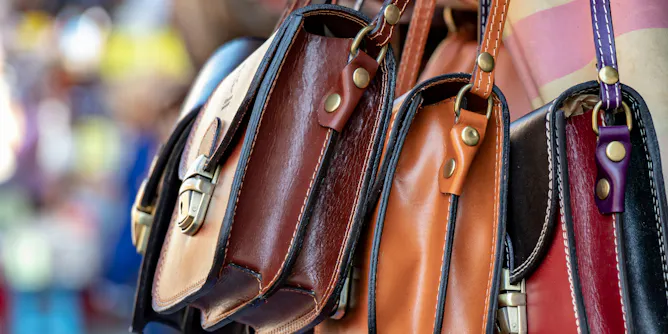
Many alternatives to animal leather – even the ones made with plants – are plastic‑based composites with short lifespans.
Articles on Leather
Displaying all articles
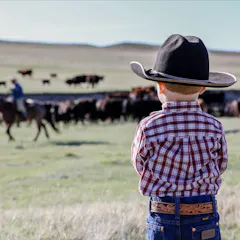
Beef is a source of complete protein for humans, but its production results in greenhouse gas emissions.

Terms such as “vegan”, “plastic-free” and “biodegradable” currently lack standardised definitions and aren’t regulated rigorously.
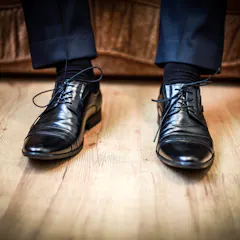
No, you’re not imagining it. Your feet may be wider or longer and your shoes stiffer.
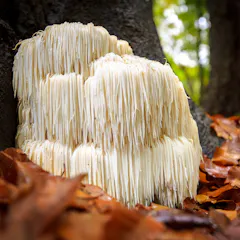
Going from a single spore to a finished fungi-derived leather product takes a couple of weeks. But raising a cow to maturity for bovine leather can take several years.

Leather isn’t just a by-product of the meat industry, and raises serious moral questions for anyone who cares about animal rights.

The cleared land of Paraguay’s Chaco forest produces everyday products like charcoal and leather that are sold abroad to consumers who may never know the unsavory origins of their purchases.
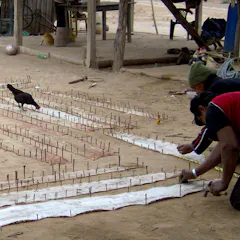
When small regional communities see economic value in animals like snakes and crocodiles, people are motivated to invest in their protection.
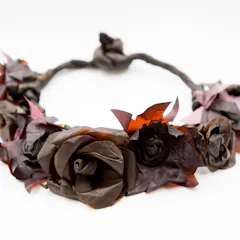
Conventional leather is fraught with ethical and environmental issues. But leather grown from fermented kombucha tea offers consumers a glimpse of a DIY, sustainable future.
Top contributors
-

Science Catalyst at The Edge, State Library of Queensland
-
Senior Fashion Studio Lecturer, Queensland University of Technology
-
Professor and Dean of the School of Fashion and Textiles, RMIT, RMIT University
-
Postdoctoral researcher, Universität Wien
-
Assistant Professor, Human Dimensions of Natural Resources, Colorado State University
-
Clinical Practicum Coordinator & Lecturer, Podiatry, Charles Sturt University
-
Adjunct Professor, Environment & Livelihoods, Charles Darwin University
-
Caroline Robinson is a Friend of The Conversation.
Associate Professor Podiatry, Charles Sturt University
-
Director of Ag Innovation and Partnerships, College of Business, Colorado State University
-
Professor of Animal Science, Colorado State University
-
Associate Professor of Animal Sciences, Colorado State University
-
Associate Professor of Feedlot Systems, Colorado State University
-
Professor in Evolutionary Biology, Macquarie University
-
Associate professor, UNSW
-
Honorary Research Fellow, Macquarie University