
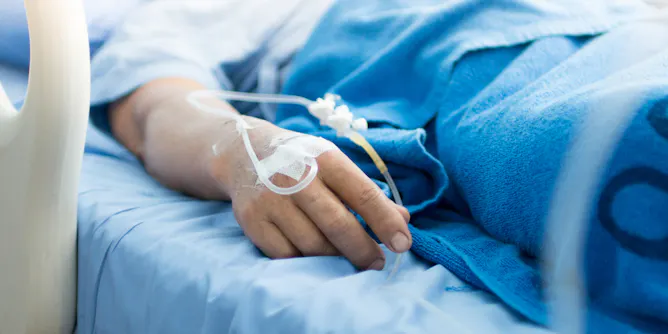
We know overuse and inappropriate use of antibiotics contribute to resistance, so it’s important we develop strategies to improve practice.
Articles on Superbugs
Displaying 41 - 60 of 99 articles
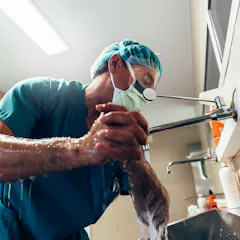
Australia does not have a national system that collects data on hospital acquired infections. But new research has shed light on how many do occur each year across the country.
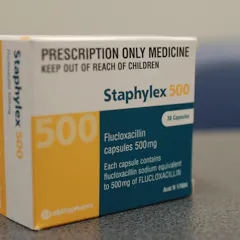
Speaking with: Dr Mark Blaskovich on antibiotic-resistant bacteria and the threat of superbugs
The Conversation, CC BY-ND45.2 MB (download)
William Isdale speaks with Mark Blaskovich about his research into antibiotic-resistant bacteria and the threat these superbugs pose to communities.

Unless we do something about about antibiotic pollution in the world’s waterways, the next trip you take to the coast for a seafood dinner just might be your last.

Antibiotic resistance is a major health threat that causes almost 700,000 deaths a year, and its toll is expected to grow. Here are some things you can do to offer your own resistance.
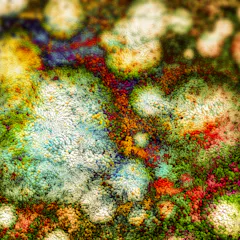
The US Centers for Disease Control has reported a woman in her 70s has died of overwhelming sepsis caused by a bacterium that was resistant to all available antibiotics.
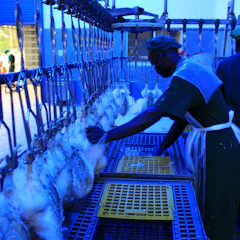
A global trend to regulate frequent antibiotic use in livestock and poultry production is emerging but Africa is still lagging behind.

Health minister Sussan Ley said Australia’s use of antibiotics in general practice is 20% above the OECD average. Is that right?
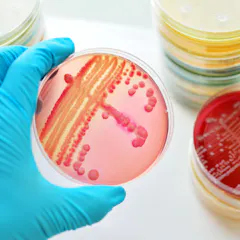
There’s one important piece of the puzzle we’re missing when it comes to antimicrobial resistance.

Food-borne diseases will continue to thrive unless Africa’s meat inspection programmes are upgraded.
In the battle against superbugs, you’d be amazed where we might find the cures of the future.
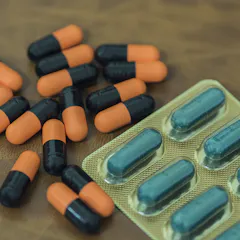
Doctors know that inappropriate prescribing can lead to antibiotic resistance. So why do they keep doing it?
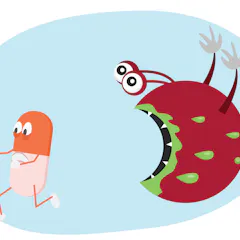
Antibiotic resistance happens when bacteria change in a way that prevents the antibiotic from working in its normal manner. There are several ways in which this can happen.
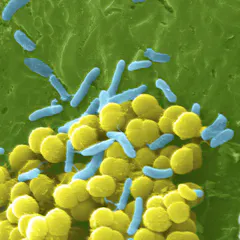
Panic has spread with the discovery of a bacterium in the United States that is resistant to the last bastions of antibiotic resistance.
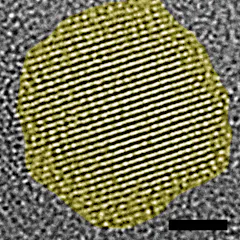
Quantum dots - minuscule semiconductor particles with specific light-absorption properties - can kill drug-resistant superbugs without harming the surrounding healthy tissue.

Doctors often tell patients to take a “course” of antibiotics, because a partially treated infection may result in relapse with antibiotic-resistant bacteria. But where this advice come from?
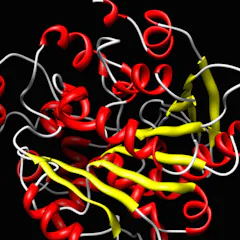
Should the gathering of experts from around the world that’s considering the scientific, ethical, and governance issues linked to research into gene editing ring alarm bells?
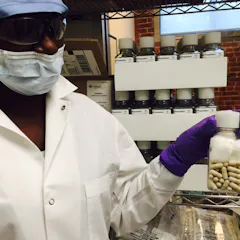
Would you freeze your poo for a rainy day of ill health?

Antibiotics can prevent serious harm and stop infections becoming fatal. But they won’t kill common cold and flu viruses, and careless overprescribing by doctors can do more harm than good.
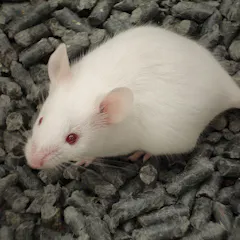
Two of the most common antibiotic-resistant bacteria circulating in hospitals can be wiped out by transplanting faeces from a healthy animal into the gut of an infected one, a study on mice has found.
Top contributors
-

Prof. Institute for Molecular Bioscience, The University of Queensland
-
Professor, The University of Queensland
-
Professor of Infectious Diseases and Microbiology, Australian National University
-
Professor of Nursing and Health Services Research, University of Newcastle
-
Infectious Diseases Physician, Senior Lecturer, James Cook University and, The University of Queensland
-
Professor of Infectious Diseases, Monash University
-
Professor at ANU Medical School; Senior Staff Specialist Infectious Diseases; General Physician, Australian National University
-
Senior Research Fellow, School of Medicine, The University of Western Australia
-
Research Fellow in Microbiology, University of Glasgow
-
Senior Lecturer, Medical Microbiology, University of Westminster
-
Professor of Molecular Evolution, Macquarie University
-
Professor, The Peter Doherty Institute for Infection and Immunity
-
Professor of Ecosystems Engineering, Newcastle University
-
Professor of Biocchemistry and Biomedical Sciences, McMaster University
-
Professor of Microbiology, University of Leicester