

Canada lags behind other developed countries in access to newer antimicrobials. Here’s why that matters, and what can be done about it.
Articles on Superbugs
Displaying 21 - 40 of 99 articles
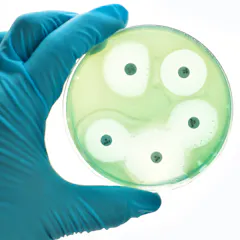
A genetic trick called an integron plays an important role in helping bacteria do this.
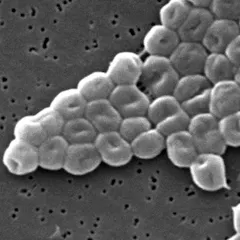
We found a new way to revert antibiotic resistance. It involves using phage therapy to resensitise a type of bacteria to antibiotics.

Antibiotic-resistant bacteria is one of the greatest threats to public health. The bacteria are so pervasive, they’re spilling over to penguins, sea lions, wallabies and more.

Estimating the cost of antibiotic resistance to economies and health-care systems is fraught with difficulty, but new research says Australia will be hit harder than we think.

Superbugs spread through the environment – and it needs urgent attention.
A CSIRO survey has found many people are confused about common infections, believing antibiotics can treat colds, flu and other viruses. This could fuel a dangerous rise in drug-resistant superbugs.

Antibiotic resistant superbugs kill 32 plane-loads of people a week. We can all help fight back
The Conversation, CC BY48 MB (download)
Antibiotic resistant infections already kill about 700,000 people globally every year. While scientists are racing to find new ways to fight superbugs, there's one thing you can do, too.
The CDC just released a list of bacteria and fungi that pose, or have the potential to pose, a serious health threat. Here are four strategies for curbing the rise of these superbugs.

If hospitals are not thoroughly cleaned, patients may be at higher risk of infection. We tested a new approach to hospital cleaning, and found it could reduce infections and save money.
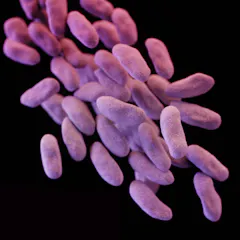
Many articles describe the rise of superbugs - bacteria that are resistant to antibiotic drugs - as inevitable. But society has the knowledge to stop the spread of these microbes.

A surprising number of people are catching pneumonia or urinary tract infections in hospital, a new Australian study shows for the first time.
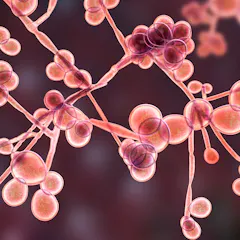
Candida auris is a fungus which breeds most commonly in health-care settings. It’s cause for concern because it’s hard to detect, and is resistant to many anti-fungal drugs.
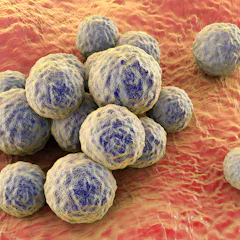
Hospital disinfectants could be creating superbugs.

Antibiotic resistance is common in bacteria where there’s a large human population and poor sanitation. For the first time however, it’s been found in the remote Arctic.

Our bodies have a set of defenses that are finely tuned for killing invading microbes. With rising cases of drug-resistant bacteria, maybe boosting our natural defenses is the best medicine.

Farm animals are the subject of WHO initiatives around antibiotics, but domestic pets could actually be a bigger risk.

The problem of antimicrobial resistance won’t go away as long as people in poor countries don’t have access to clean water.

Superbugs used to pose the greatest risk to people with compromised immune systems and those who had surgery. But their sexual transmission means antibiotic resistance can spread much more widely.
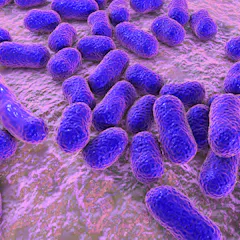
Researchers are using epigenetics to find ways to ‘turn off’ bacteria’s ability to cause infections.
Top contributors
-

Prof. Institute for Molecular Bioscience, The University of Queensland
-
Professor, The University of Queensland
-
Professor of Infectious Diseases and Microbiology, Australian National University
-
Professor of Nursing and Health Services Research, University of Newcastle
-
Infectious Diseases Physician, Senior Lecturer, James Cook University and, The University of Queensland
-
Professor of Infectious Diseases, Monash University
-
Professor at ANU Medical School; Senior Staff Specialist Infectious Diseases; General Physician, Australian National University
-
Senior Research Fellow, School of Medicine, The University of Western Australia
-
Research Fellow in Microbiology, University of Glasgow
-
Senior Lecturer, Medical Microbiology, University of Westminster
-
Professor of Molecular Evolution, Macquarie University
-
Professor, The Peter Doherty Institute for Infection and Immunity
-
Professor of Ecosystems Engineering, Newcastle University
-
Professor of Biocchemistry and Biomedical Sciences, McMaster University
-
Professor of Microbiology, University of Leicester